Zagato: Very Young on the Way to One Hundred
11 April 2026 2 min read 5 images
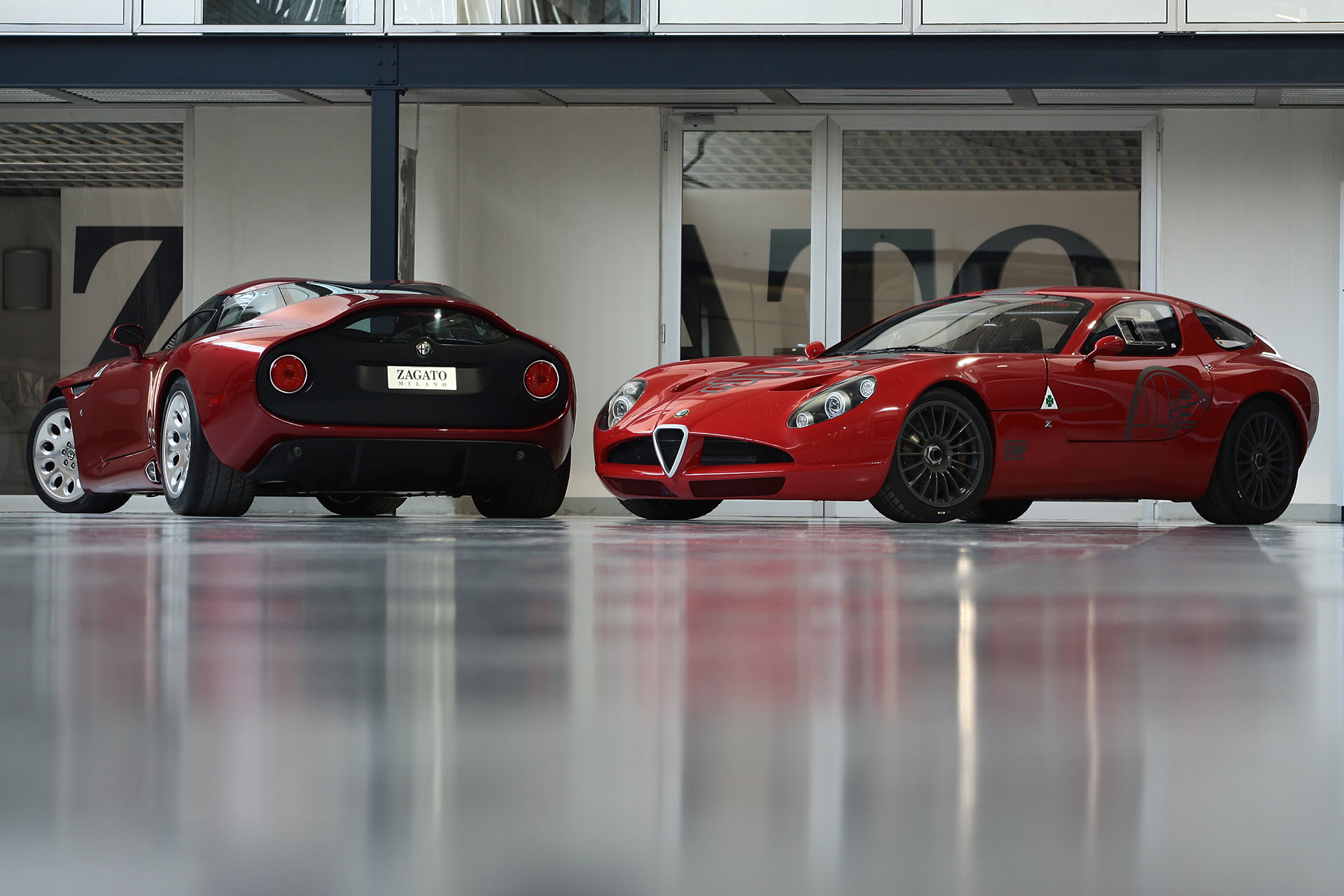
Photo credit: Alfa Romeo, Aston Martin, RM Sotheby's, Zagato
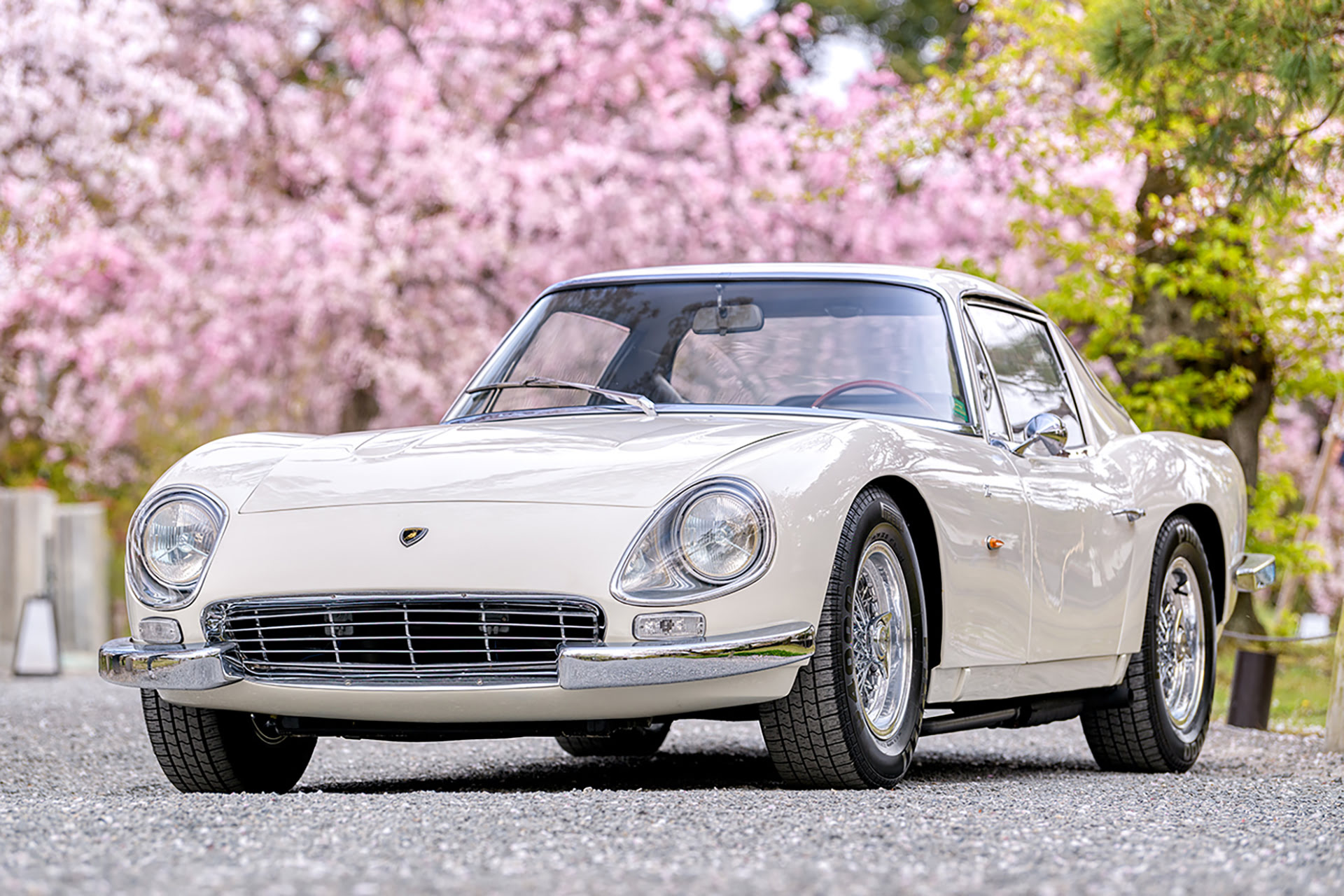
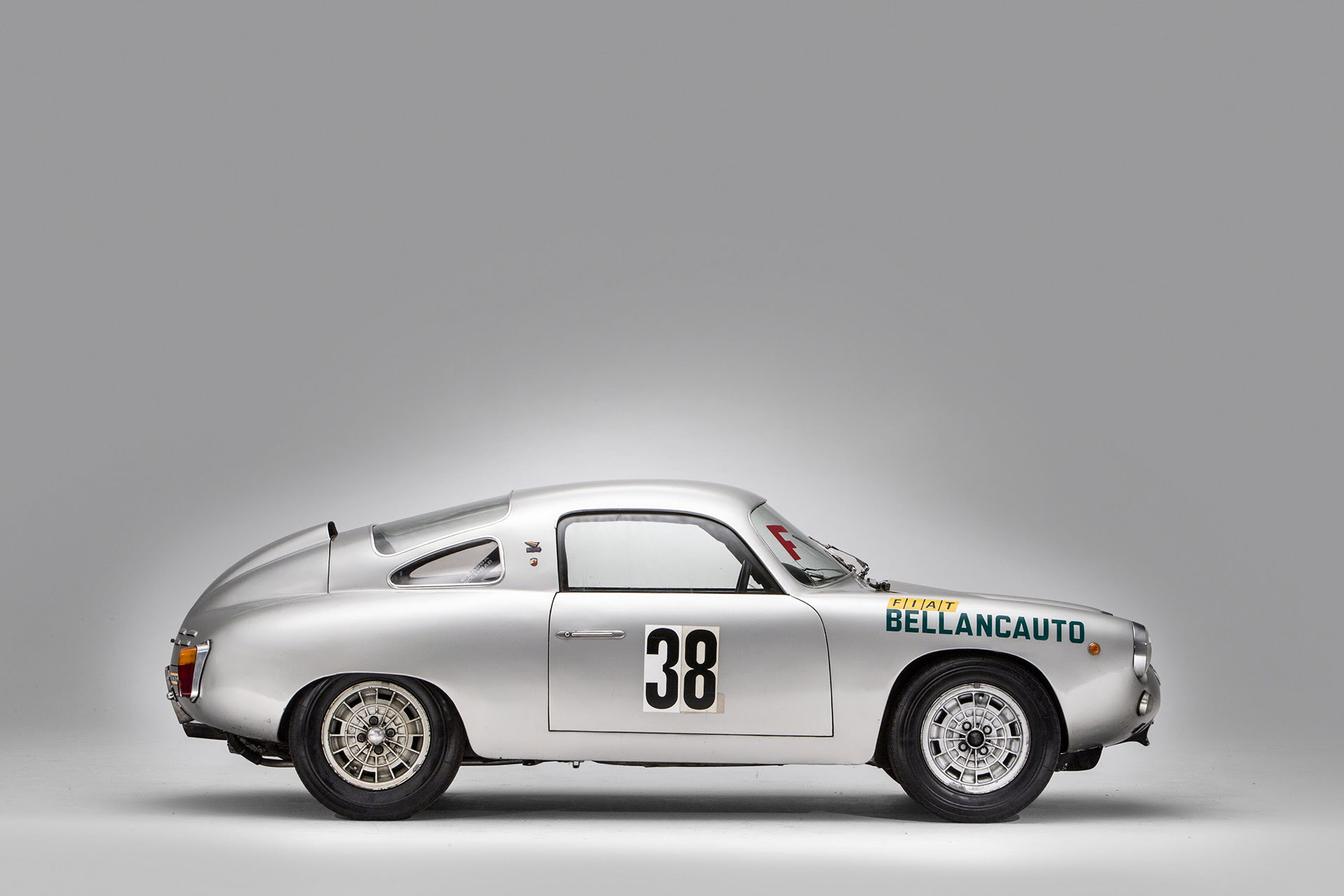
It is difficult to find companies that have mirrored the passing of time as faithfully as the great historic names of the automobile world. Still more difficult if one is looking for a company that has worked in the field of style, that is preparing to celebrate its centenary, and that has lived through the profound transformations brought, over the decades, by the technical progress of engineering, by shifting aesthetic tastes, and by the evolution of an entire way of life. Difficult, but not impossible: the Carrozzeria Zagato — as it was called for many years, before its important evolutions — has lived, and continues to live, this story, adapting with skill and vision to the sudden and challenging turns of history. Its founder, Ugo Zagato, in the now very distant year of 1919, had brilliantly brought into the world of the automobile and of racing the lightness he had come to know working in the aviation sector during the war. This knowledge allowed him to work on the antiquated bodywork of the time with the goal of making it lighter, and Enzo Ferrari had sought him out for the victories of his Scuderia.

Zagato thus became an Atelier open to every brand, and at the same time a creator of concept cars and unique one-off models on commission — among them the Spyker C12, presented at the 2007 Geneva Motor Show.

The approach with Ferrari was different: revisiting the forms of memory, as with the Ferrari 575 GTZ, before arriving at a model as original in its style as it is sentimental in its name — the 599 Nibbio GTZ of 2016. What finer way to honour the origins of the Prancing Horse than by using the name of the horse ridden by Francesco Baracca, which he had reproduced on the fuselage of his fighter aircraft?
These are years that intersect with the Zagato centenary, during which Aston Martin returns — first to propose the Vanquish Family in Coupé, Volante, Shooting Brake and Speedster versions. Particularly moving, in 2010, was the return of Alfa: Fiat, the group of which Alfa was a part, had acquired Chrysler, converging into the FCA group. What better rolling chassis than the brutal Viper on which to propose the Alfa Romeo TZ theme? And so two models were born: the TZ3 Corsa and the TZ3 Stradale.

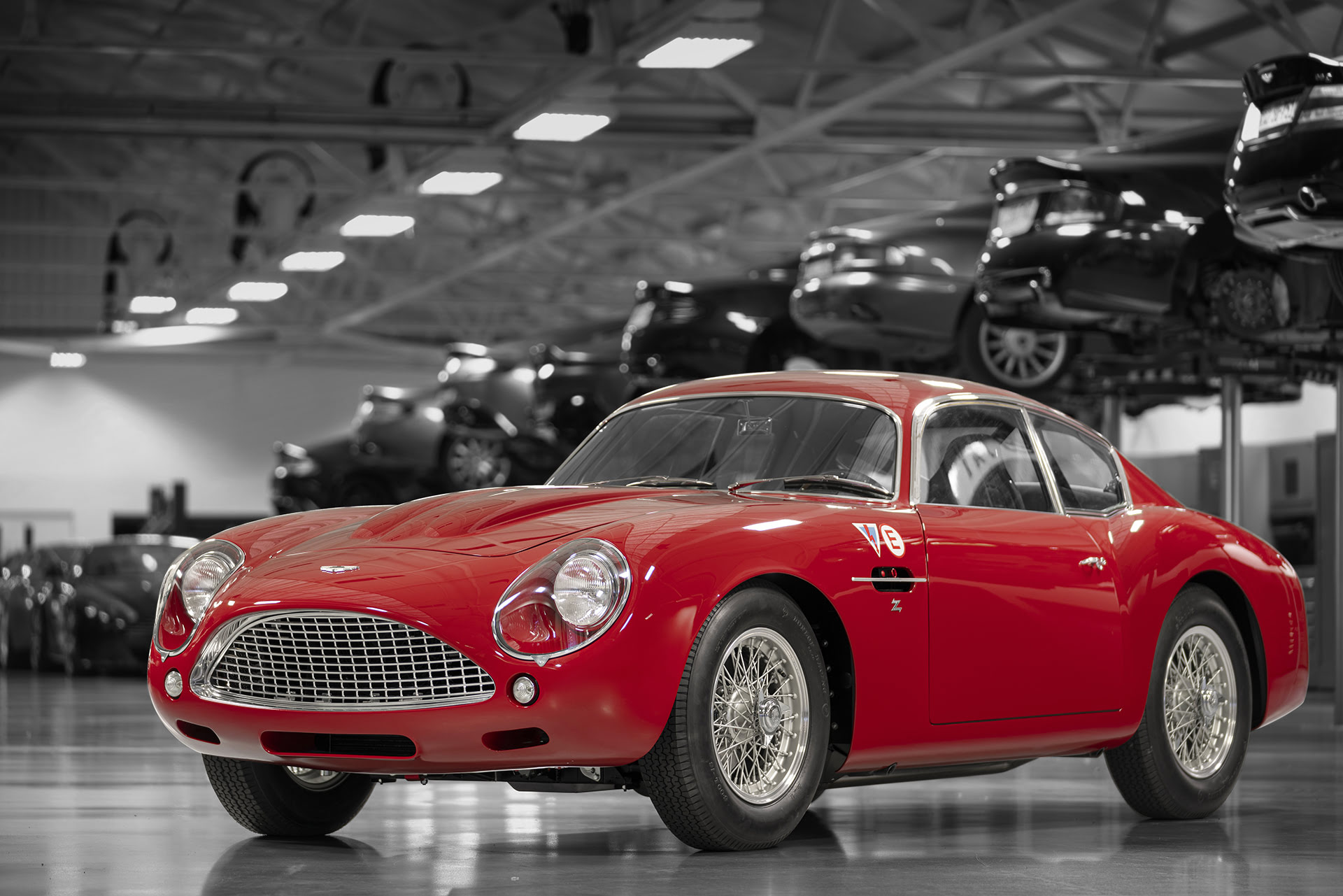
In these years of revolution, the great majority of the historic carrozzerie disappeared, while many came knocking at Zagato’s door. Porsche welcomed with pleasure the recreation of a model fundamental to its sporting history: the 356 Carrera Speedster Zagato, which had opened the era of Porsche’s great successes in international Gran Turismo racing in 1957 — along with its descendants, the 356 BT5 Carrera Coupé Zagato and the 356 BT5 Carrera GTL Zagato. The idea of recreating cars that had been lost to time thus suggested to Zagato a niche defined by passion and culture, given the name “Sanction Lost.”

Today Andrea Zagato holds the company firmly in his hands, uniting — as his father and grandfather did before him — a genuine, profound passion for the automobile with a clear-eyed vision of a future drawn ever more powerfully towards cars that are capable of telling original stories, or built to allow the reliving of past myths on modern mechanical foundations.