Zagato: Over a Hundred Years of Achievements. The Cars with the Z that Monopolised Victory in the 50s and 60s
14 March 2026 1 min read 4 images
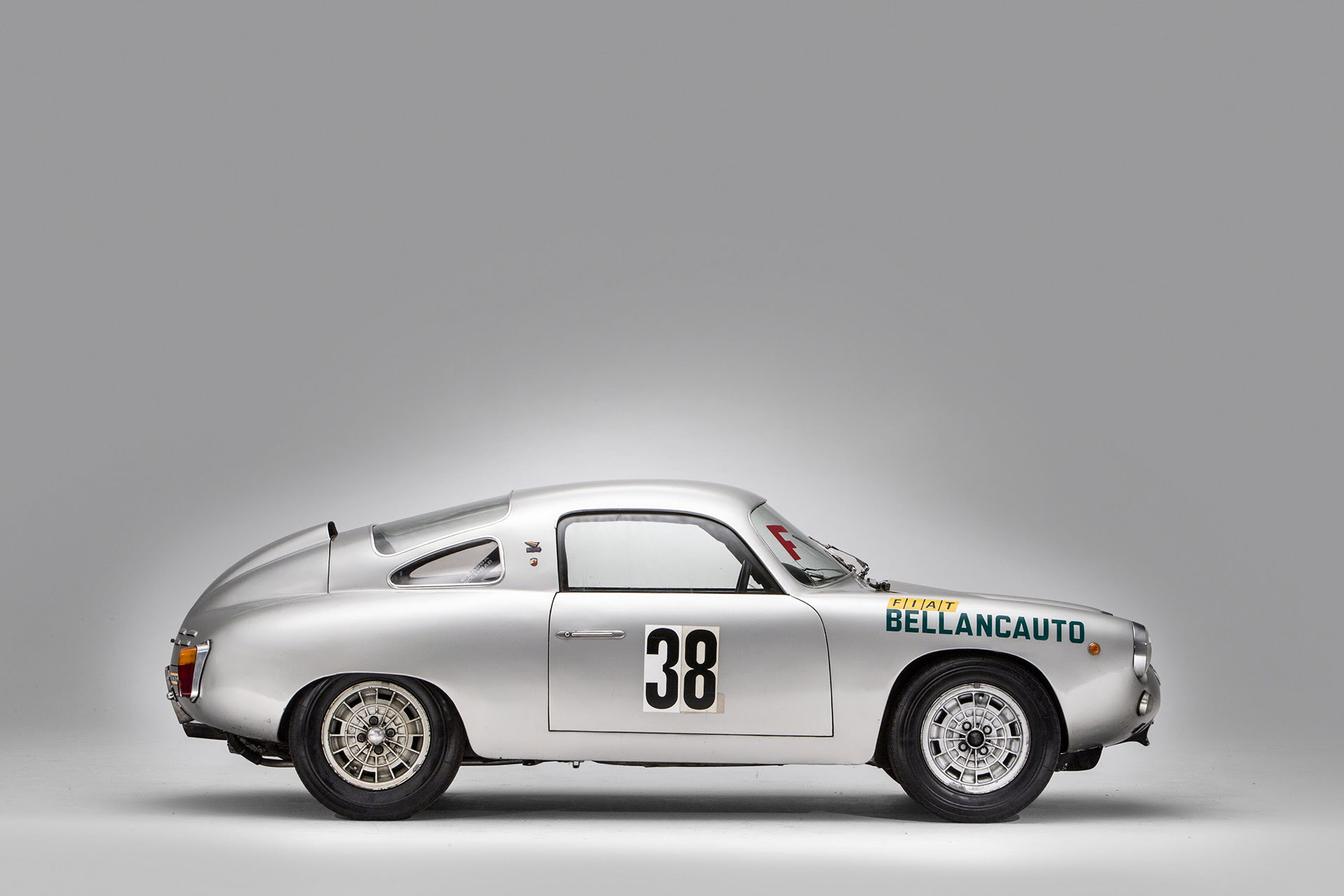
Photo credit: ADI Museum, Bonhams, Stellantis, Zagato
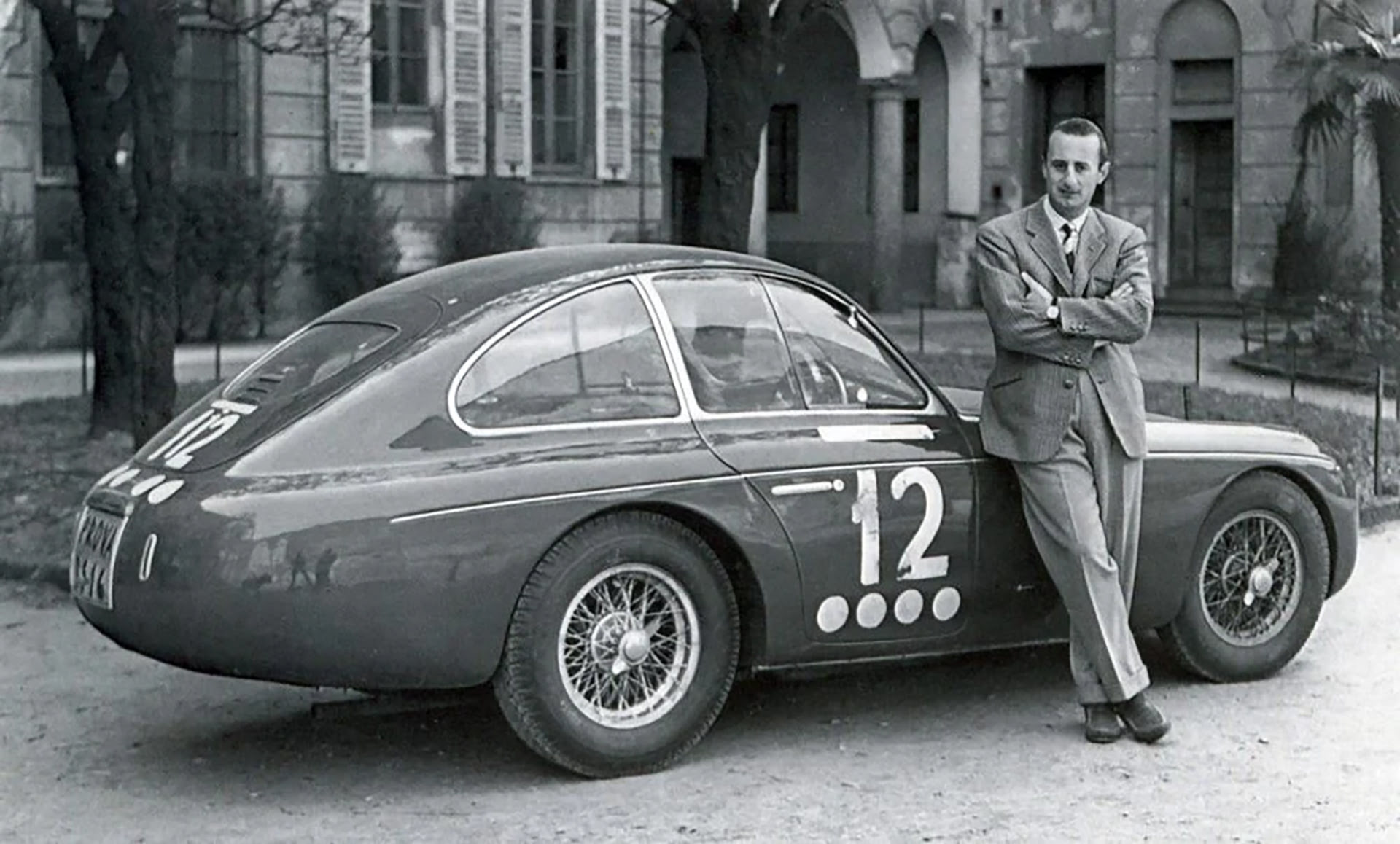
Today, Marketing would call Zagato’s decision in the 1950s — to concentrate its entire activity on the creation of Gran Turismo cars for competition — “positioning.” And in truth, none of the many Italian coachbuilders had managed to give itself a precise vocation. Not even the celebrated Pininfarina, devoted far more to elegance than to lightness, had a real positioning. Nor did the other “great,” Bertone, which chased spectacle through models designed by towering figures such as Giugiaro and Gandini. At Zagato, in Milan, there was only one great designer — always the same, always unchanged — not embodied by any single person, but by the obsessive constraint of making the cars as light as possible, as aerodynamically effective as possible, and with the lowest possible centre of gravity.

From this was born the Zagato style — rooted in Milanese rationalism — which impressed upon the bodywork an aesthetic of purity and simplicity. To seek, in other words, the optimisation of aerodynamic efficiency in every last detail, so as to guarantee the highest possible performance in competition. “Form follows function” — that was the concept. A concept which became, as we have seen, a lucid and enormously successful strategic positioning. It was in those years that the work of Zagato found, beyond its extraordinary commercial success — every GT racer wanted a car made by Zagato — the recognition of the most prestigious prize in Industrial Design: the Compasso d’Oro. The car chosen as its symbol was the Fiat-Abarth 1000 Coupé Zagato, absolute queen both on the circuit and on the hillclimb — a beautiful, extraordinarily fast berlinetta that Zagato had drawn from the humble Fiat 600, whose mechanics had been transformed by Karl Abarth.

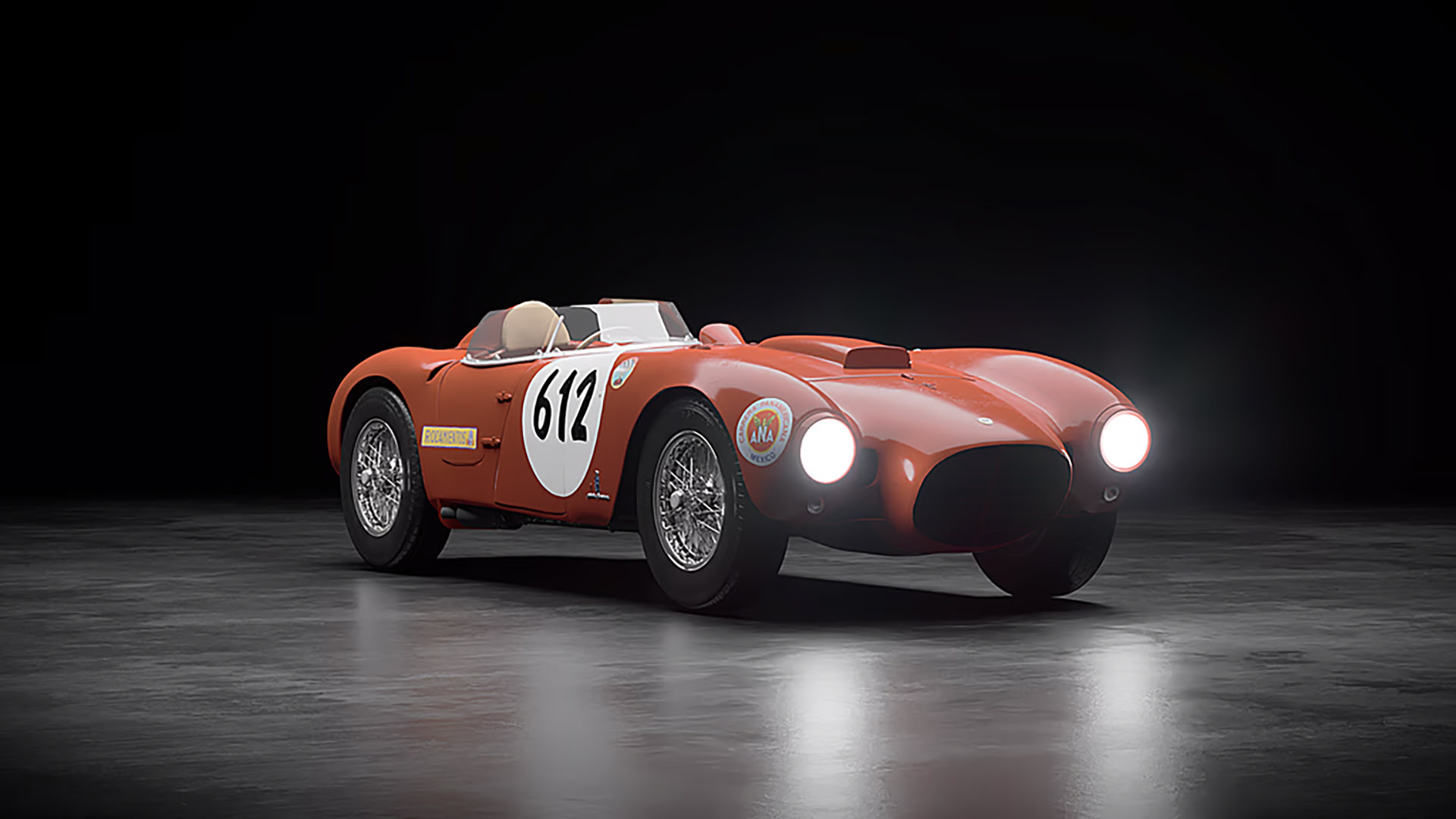
Beyond the transformation of production cars from Lancia, Fiat, and later Alfa Romeo — one need only think of what the Giulietta SZ was capable of, literally unbeatable — Zagato also worked directly with the manufacturers in the creation of the automobile itself. This is what happened with Maserati, for the 2000 A6G, and with the OSCA 4000 V12 Zagato. Ferry Porsche himself wanted Zagato to make his 356 Carreras into winners — and they duly dominated their class in the World Championship.
It was in these years that Zagato left Milan definitively to open its new headquarters in Rho, on the boundary of Alfa Romeo’s new Arese factory. It was the 16th of June, 1962 — and fate arranged that at precisely the moment this new, technologically ambitious Zagato was taking its first breath, there was born Andrea, son of Elio, who today leads the company as its third generation.

The choice to be close to Alfa was not accidental. The celebrated Milanese house — a historic partner of Zagato — entrusted the coachbuilder with the study and development of its racing GT cars, as well as the design, assembly, and finishing of its bespoke models. It was an activity that Zagato had for some years already been carrying out for Lancia, under the designation “sport.” The story of Zagato’s successes continues…