1965–1989: Zagato Seizes the Moment of the “Small Series”
04 April 2026 2 min read 6 images
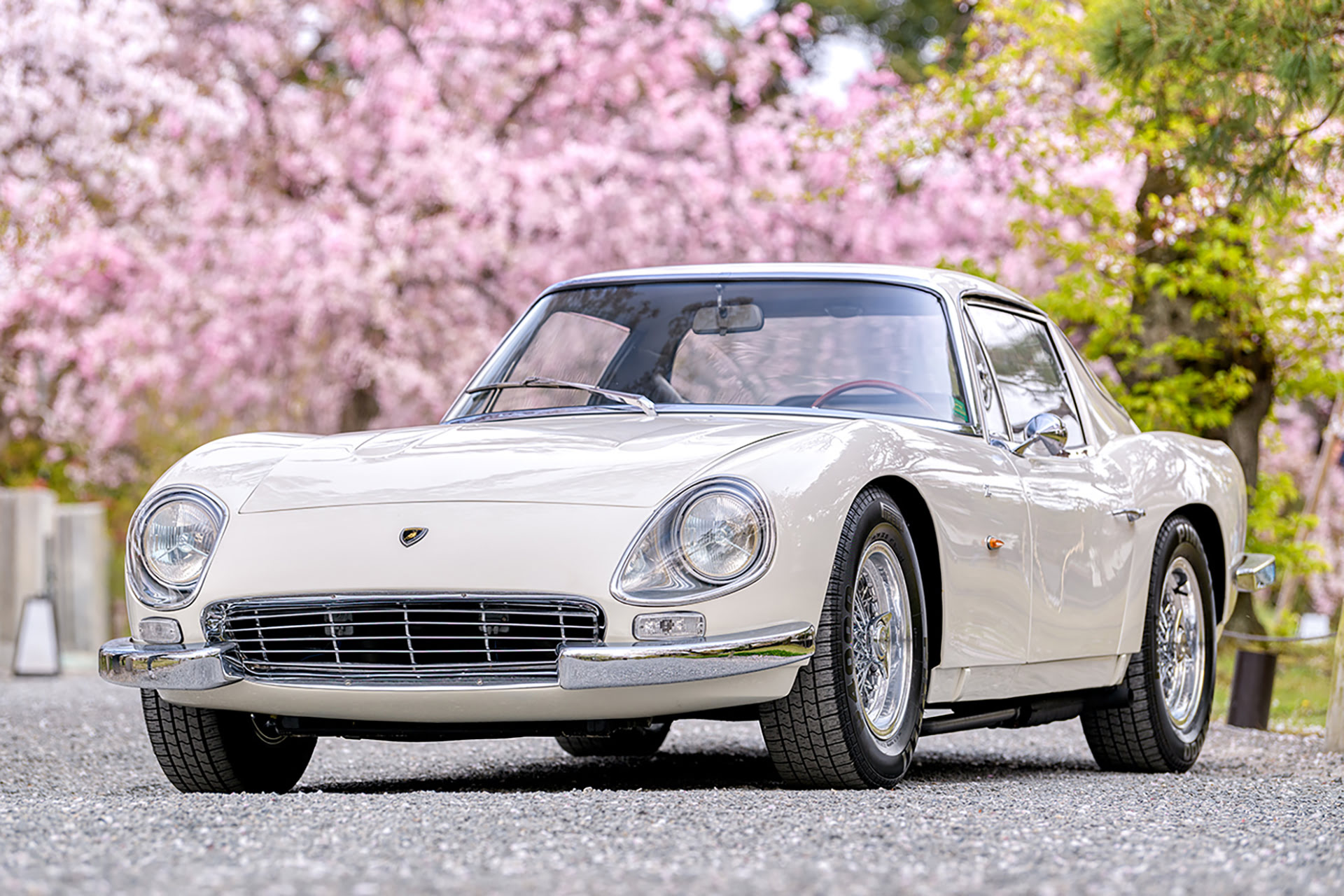
Photo credit: Alfa Romeo, Concorso d’Eleganza Kyoto, Lamborghini, RM Sotheby’s, Stellantis, Wheelsage
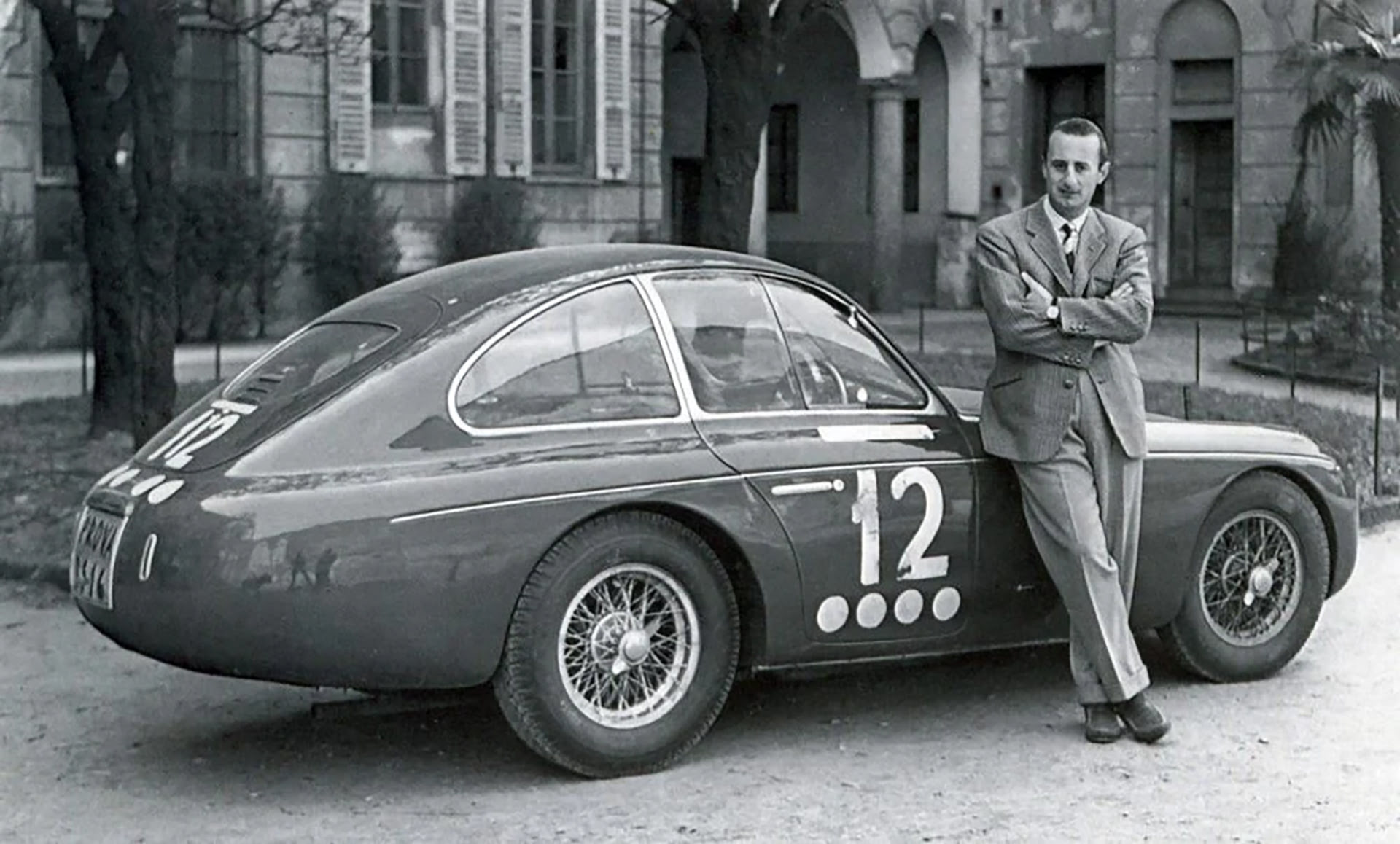
No one like Zagato has experienced the transformations of the automotive world and its market over the past hundred years. In the pre-war years, coachbuilders “dressed” unique examples or extremely small series supplied by manufacturers—one only needs to remember the victorious Alfa Romeo cars of Scuderia Ferrari, regularly bodied by Zagato.
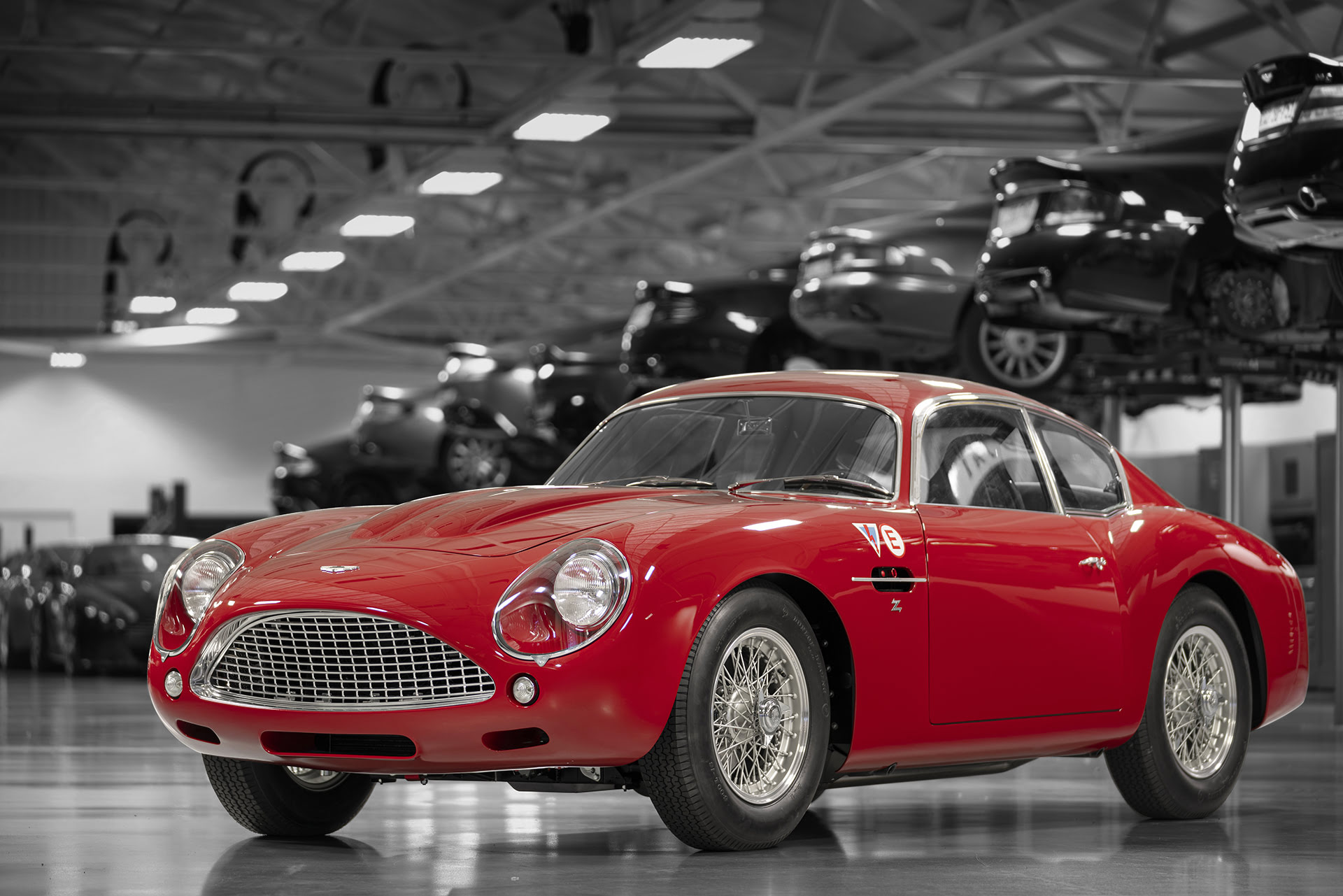
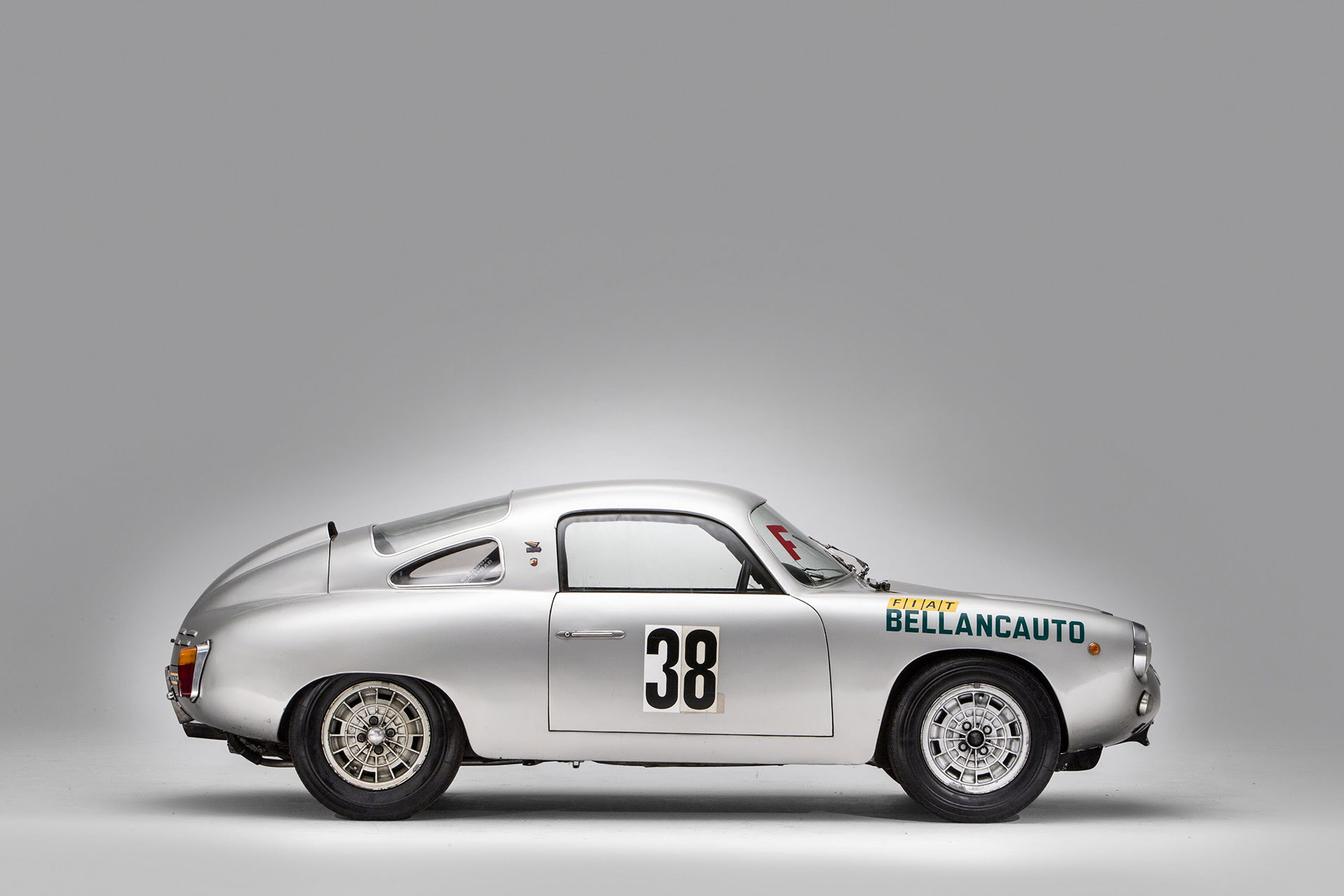
Already in the immediate post-war period, however, everything changed with the flourishing of the automobile “for everyone.” In those years, a new path opened for the coachbuilders: the transformation of production cars which, born from the demand of those who wished to compete in racing, gave life to what would become known as the Gran Turismo.
Zagato’s specialization in lightness, together with its ability to shape projects focused on the aerodynamic performance of the cars, made it the true leader of the GT sector. The transfer of the Atelier from Milan to the larger facility in Rho, at the gates of the city, allowed an increase in the number of cars produced—although at the beginning production was still limited to only a few dozen units for each model.

The third phase arrived starting in the early 1960s. The market was growing and no longer desired only cars designed to win races. Manufacturers soon realized that thousands of Gran Turismo cars could also be sold—vehicles truly dedicated to the road and more accessible from an economic perspective.
Requests from manufacturers to Zagato for this new production model—artisan in spirit yet built in series—were immediately very high. They led the family to create production structures capable of building special models in “small series,” cars that would be sold and serviced through the commercial networks of the manufacturers themselves.
The remarkable structure developed by Zagato thus began producing models full of fascination and perfectly consistent with the brand’s long-standing sporting spirit.

This turning point, of course, did not mean abandoning the traditional production of unique cars or very limited examples. Among them one may recall the Lamborghini 3500 GTZ—recently awarded Best of Show at the Concorso d’Eleganza of Kyoto—the Cadillac NART Zagato, an aluminum prototype commissioned by Luigi Chinetti, the famous Ferrari importer in the United States, and again for Chinetti the Ferrari 330 NART Zagato, to mention only a few.

Far more significant, however, were the numbers of the small-series productions. The Lancia Fulvia Sport Zagato enjoyed great success, produced first with the 1300 engine and later with the 1600 for no less than seven years.
Another remarkable success was the Alfa Romeo Junior GT Zagato, a car distinguished by a carefully designed front end that integrated the headlights while ensuring the best possible aerodynamic coefficient. In this case as well, production lasted six years with 1300 and 1600 cc engines.

At the beginning of the 1980s, within the already consolidated relationship with the English manufacturer Aston Martin, the production of the unforgettable V8 Vantage Coupé Zagato and the V8 Volante Zagato cabriolet began in numbered series: 52 Coupés and 37 Cabriolets.
In this case, production was divided between Italy and the United Kingdom: the bodywork was created in Italy, while the mechanical components and the final assembly were completed in the UK.

Once again, however, times were changing. Zagato seized the moment by beginning to work with CAD-CAM technologies—digital systems for design and manufacturing assistance.
Thus was born the Alfa Romeo SZ Sport Zagato, powered by the formidable 3-liter Busso V6 engine. A new chapter had begun.