Two Alfa Romeo Zagato cars on the podium at the 1000 Miglia 2026, and an all-female triumph in the Post War category
20 June 2026 2 min read 4 images
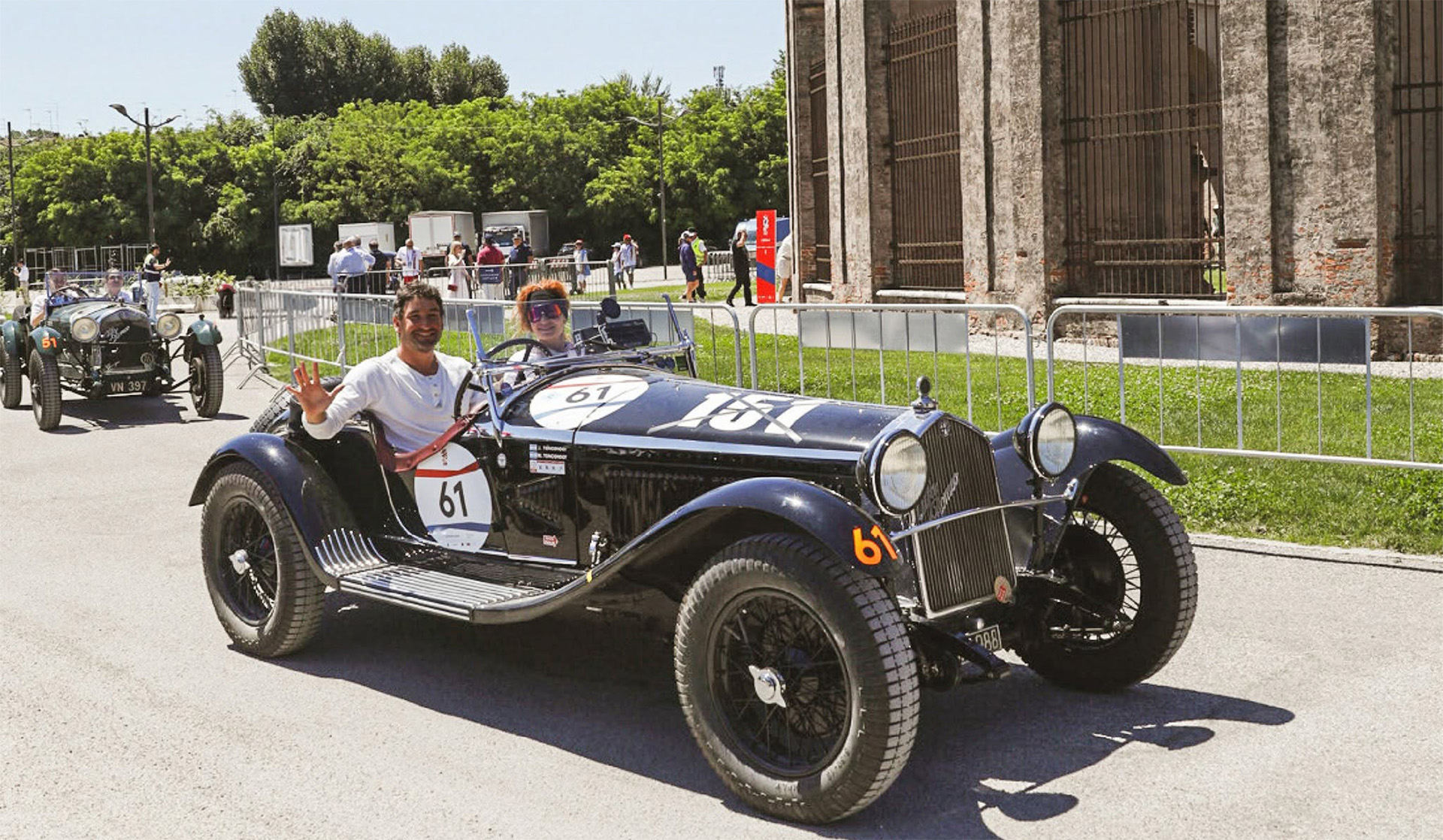
Photo credit: 1000 Miglia
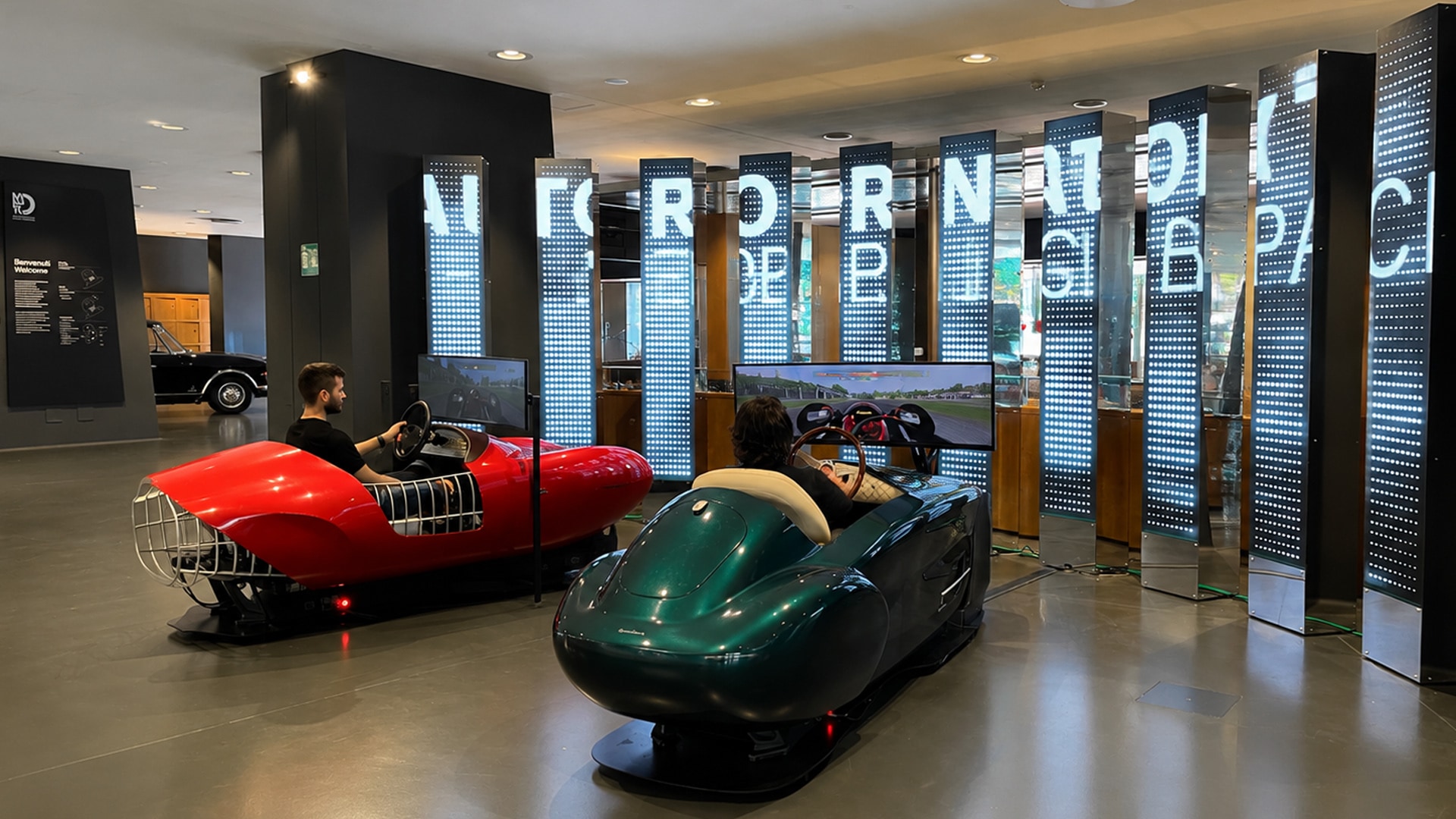
After honing their reflexes and timing on the simulator made available to competitors by Roarington in the Scrutineering Paddock in Brescia, the 1000 Miglia 2026 crews took to the road to face one of the most closely contested editions in recent years. Five days, over 1,600 kilometres, 144 Timed Trials and a route capable of uniting sporting challenge with the discovery of an Italy that continues to offer unrepeatable landscapes. The formula of the Freccia Rossa remained unchanged, but the final verdict brought back to the top of the standings a name absent from the highest step since 2018. Victory went to the Argentine crew of Juan and Margarita Tonconogy, at the wheel of a 1931 Alfa Romeo 6C 1750 GS Spider Zagato. For Juan it is his fourth personal victory at the 1000 Miglia, but the significance of this win extends beyond statistics: the triumph achieved alongside his sister Margarita brings to an end Andrea Vesco's remarkable run of six consecutive victories, from 2020 to 2025. A dominance that underlines just how fiercely contested the leadership is, built across 144 tests of skill and precision.

The result carries a particular resonance: the top two positions overall were claimed by cars sharing the Zagato signature. The 1931 Alfa Romeo 6C 1750 GS Spider Zagato of the winners and the 1929 Alfa Romeo 6C 1750 SS Spider Zagato of Andrea Vesco and Fabio Salvinelli share their lineage with the Elio Z simulator created for Roarington by Zagato, which competitors used for their pre-race preparation.

The 99th edition of the race also offered a route rich in new passages, with Rome once again serving as the southernmost turning point. Among the additions was an excursion into the Val Trompia and Val Gobbia, with a stop at the historic Beretta premises to mark five hundred years of activity. Several new Tuscan stretches followed, passing through Pietrasanta, cradle of sculptural art, and on to a tribute at San Francesco in Assisi. Taken as a whole, the route reaffirmed the appeal of Italy through dozens of small villages and celebrating towns. The crowd is one of the great driving forces behind the passion for the 1000 Miglia — a public that watches a living museum pass by, one that captivates the young and stirs memories in those who are older. For the participants, it is something else entirely: the sense of being at the centre of an event that exists nowhere else.

Returning to the classifications, the regulations that favour pre-war cars inevitably draw this category toward overall victory. But there were many other protagonists, not least the remarkable Silvia Marini and Francesca Ruggeri, who took the top position in the Post War category at the wheel of a Cisitalia 202 Spider. Among the Mercedes, the 190 SL of 1955 prevailed over the numerous 300 SL Gullwing entries. In the Sport classics overall category, the Maserati A6GCS edged out the Ferrari 250 MM Sport. Among the Porsche entries, honours went to the compact 356 1500 Super 90. One could continue at length, given that the field numbered more than 500 starters. But that can wait — the Centenary falls in 2027. In the meantime, training continues at the MAUTO, Museo Nazionale dell'Automobile in Turin, where Roarington's simulators reveal the secrets behind a winning run.

Register to unlock this article
Signing up is free and gives you access to hundreds of articles and additional benefits. See what’s included in your free membership. See what's included in your free membership.
Already have an account? Log In