A Century in Motion – Part 8: the Euphoria of the Postwar Years reveals a World changed beyond Recognition
21 March 2026 2 min read 4 images
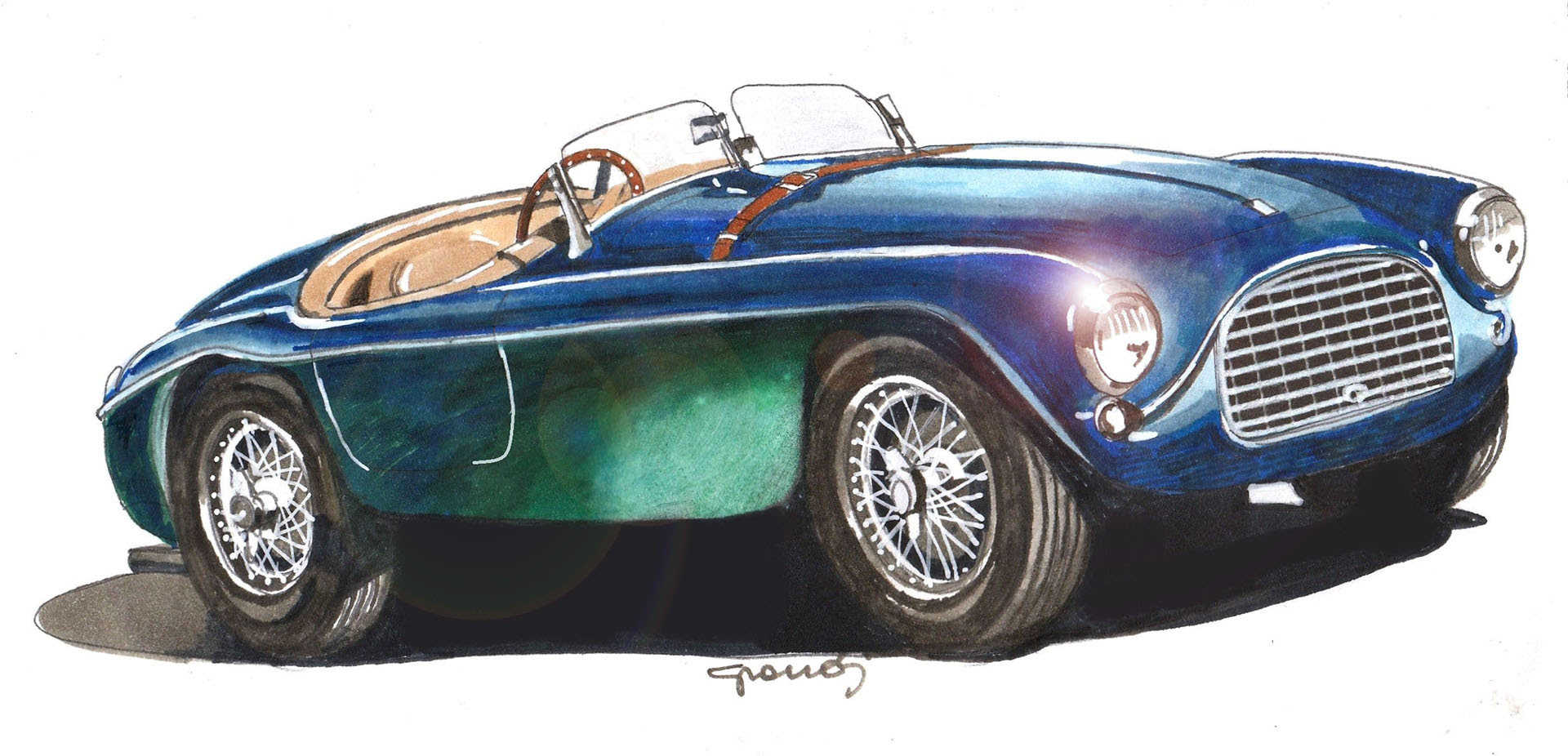
Photo credit: Publifoto/Lapresse, Massimo Grandi, Max Ernst
Europe rises from its ruins, and this photograph (© Pubblifoto/Lapresse) is a symbol of that resurrection, accompanied by the caption: “A new life blossoms in the ruins.” The spectacular recovery of the economy, which brought with it a wider diffusion of prosperity, had an immediate effect on what would become the mass automobile market: no longer the car as exclusive luxury, but as a means of transport for everyone. In those years, great names of the past were condemned to disappear — Bugatti, Delage, Isotta Fraschini, Hispano Suiza, to name but a few — while economic necessity gave birth to small, affordable cars that would soon yield to the family utility vehicle: from the Volkswagen Beetle, produced at scale after 1945, to the Fiat 600, the Renault 4CV, the Citroën 2CV, and the English Austin A30.

Everything was flowering again. Architecture, with the great Le Corbusier whose Modulor gave human proportion to design; the decorative arts, from Northern Europe to Italy, finding bold new forms for the furnishings of daily life; and painting, which discovered in the automobile a new vocabulary of expression, as in the celebrated work of the Frenchman Jean Dubuffet. There was tremendous energy in the world of women’s fashion, too, with Paris rising as the symbol of a new kind of woman: elegant, uninhibited, already turned toward a lasting autonomy of her own.

In the world of the automobile, the desire for joy and well-being — inseparable from the will to erase the past — expressed itself differently from country to country. The British offered open-top roadsters built for pure pleasure, the Austin Healey and the Triumph. The Italians found in Ferrari and Maserati the very embodiment of the racing car in its highest form. The Germans displayed their mastery of technology and elegance with the Mercedes 300SL, the iconic Gullwing.

In 1950, the Formula One World Championship was born, and the 24 Hours of Le Mans resumed with the contest, once again, was between Italians, Englishmen, and Germans. Ferrari, Maserati, and Mercedes dominated among the single-seaters, while in the endurance race, Jaguar demonstrated a quiet and formidable authority all its own.
And what of the rest of the world, in these years? America, as we will see next week, transforms the euphoria of victory into spectacle. For the Japanese, so decisively defeated, the road back will be far longer.