A Century in Motion – Part 7: The Affirmation of American Identity Between the Crisis of ‘29 and the New Deal
14 March 2026 1 min read 4 images
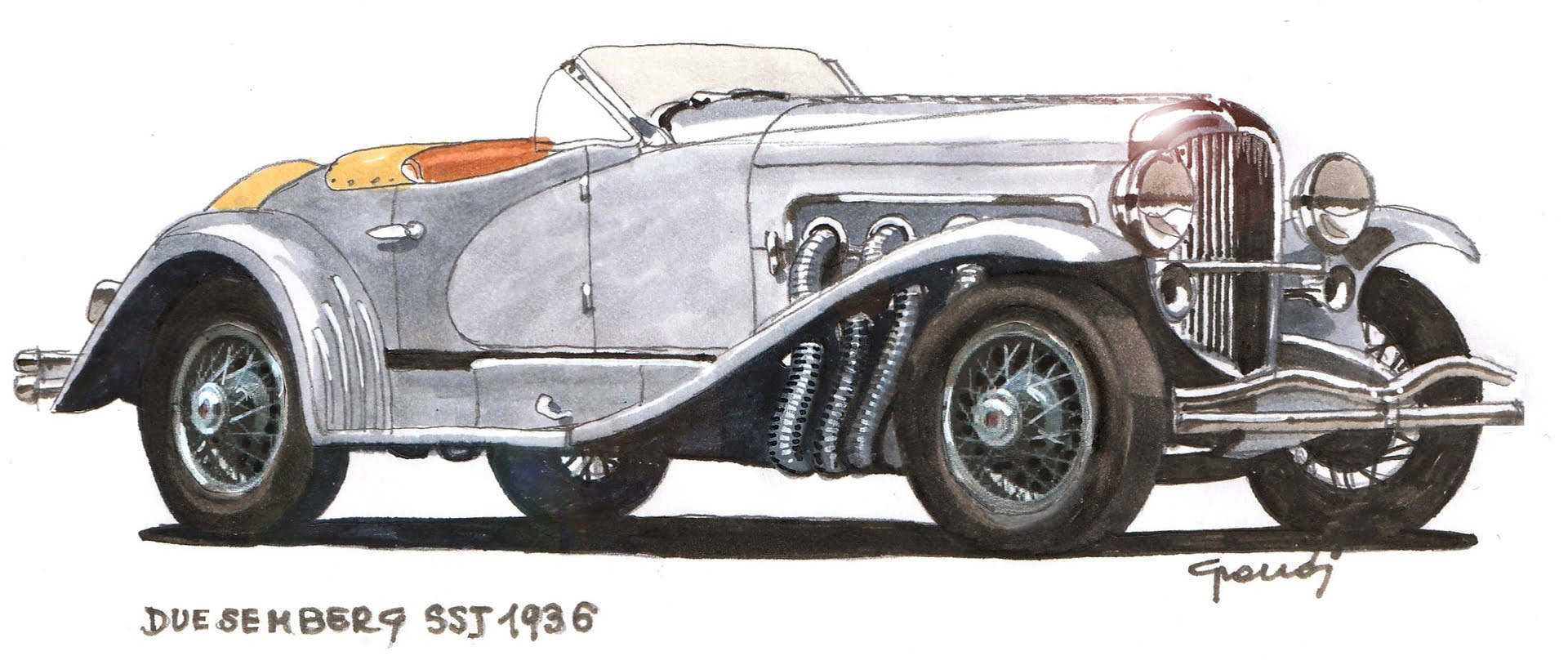
Photo credit: Auburn Cord Duesenberg Automobile Museum, Massimo Grandi, NYC Department of Records
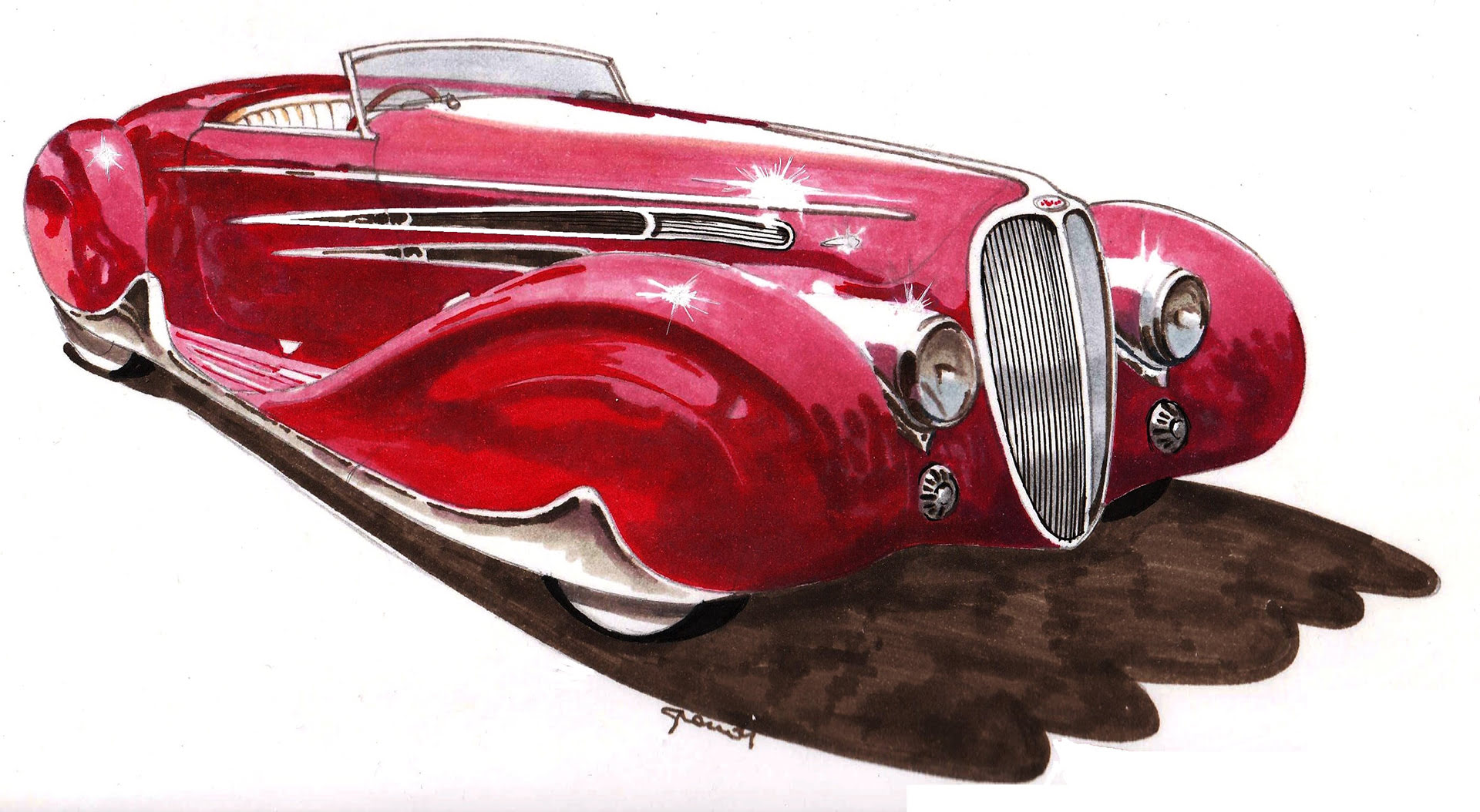
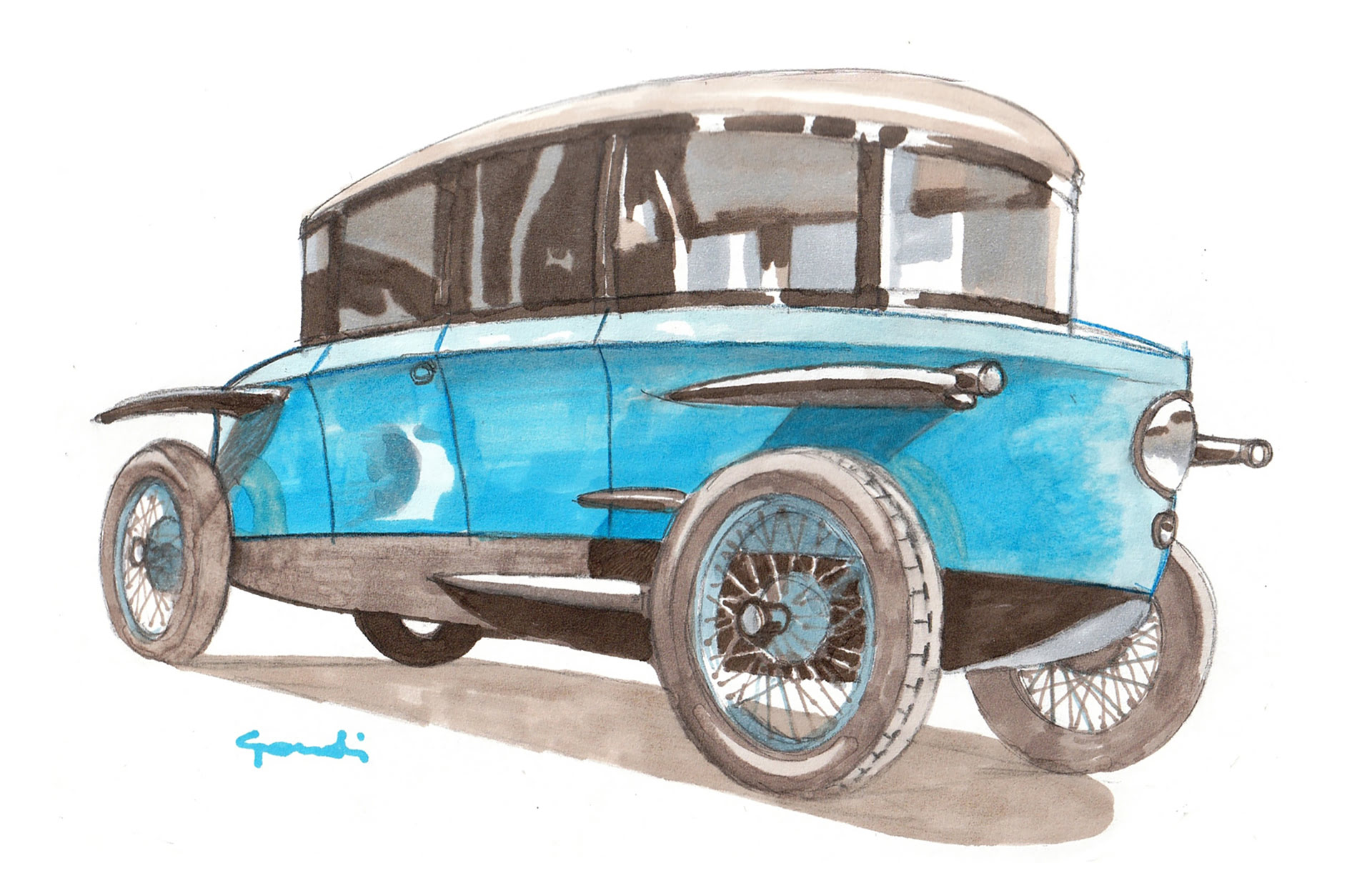
The 1930s were called the “Crazy Years”, crazy like the war that would close them in 1940. Crazy in fashion and in luxury, as we saw last week, and crazy also in world affairs. For on one side there was the madness of new styles, the Art Deco and an opulence often excessive, while on the other side of the world a drama was unfolding — economic and social — the likes of which had never been witnessed before. A drama that began with the crash of Wall Street in 1929, and with the great depression gradually healed by the effects of the New Deal.

A difficult undertaking set in motion by the American president Franklin Delano Roosevelt, who was capable of rekindling — through programmes of great vision — the pride of an America brought to its knees by its very own success.
An America that, for the rest of the world, was a dreamed-of symbol — for all those who, arriving by transatlantic liner into the bay of New York, saw the Statue of Liberty at the mouth of the Hudson, and who, barely off the ship, discovered skyscrapers competing in height and spectacle, enormous automobiles everywhere, and the vivacity of theatres and cinemas capable of making one dream of seductive new realities.

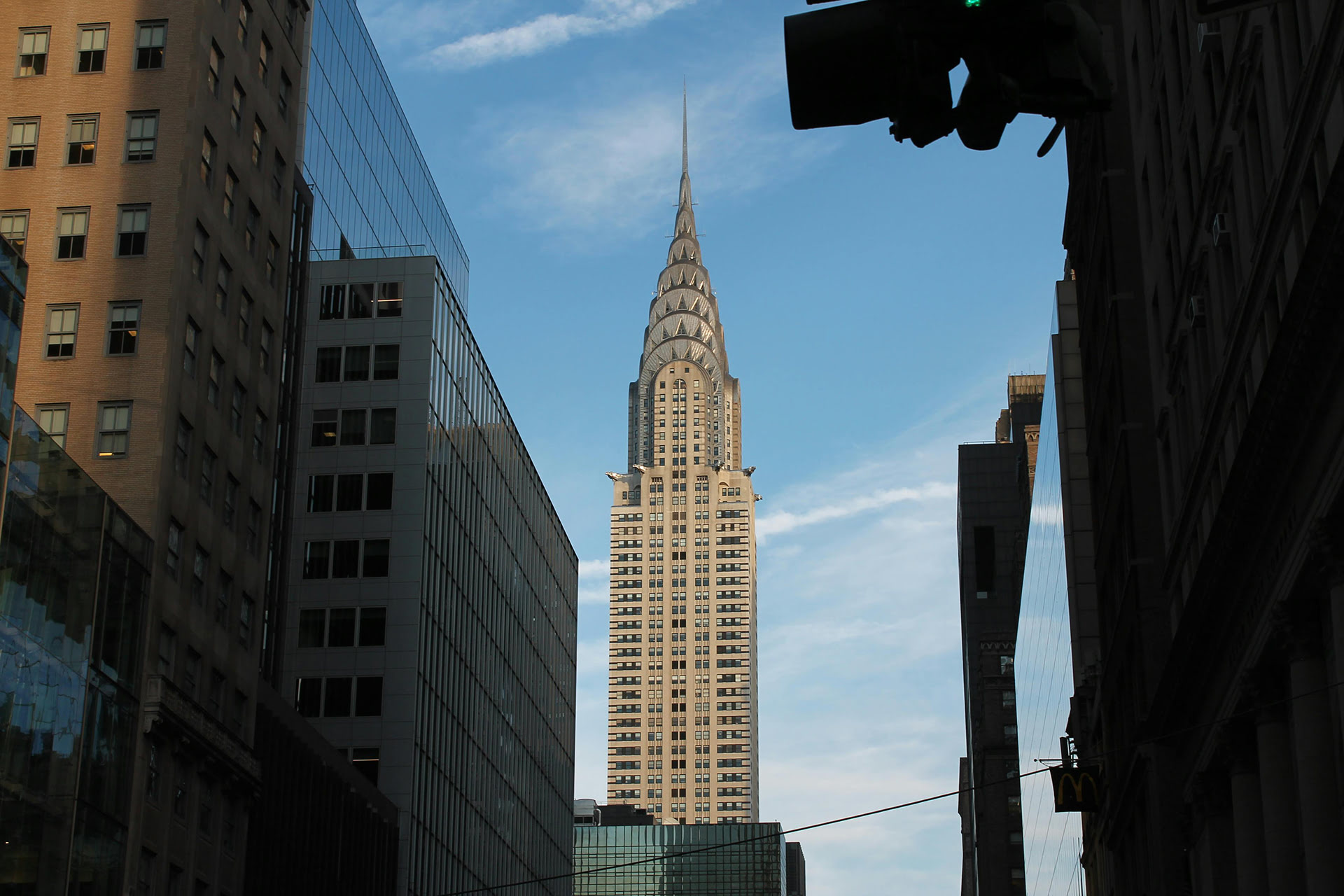
Arriving from Europe, accustomed to French culture, to the elegant beauty of Italy, to the aristocratic traditions of England, they found themselves before something entirely unknown: the sheer power of communication that spoke of America. Drinks like Coca-Cola, hotels like the Hilton, car rental companies like Hertz and Avis, automobiles by Ford, General Motors and Chrysler (whose magnificent skyscraper could hardly escape notice), tyres like Firestone and Goodyear, fast food like McDonald’s — and a thousand other products and services — all made it clear that those brands, and the choice to embrace them, were the true way to become American in the very depths of the soul.

Faced with a New York or a Chicago — seductive in their rigour and economic power — the American Mother Road, better known as Route 66, beckoned toward California, where creativity and imagination were already beginning to hint at what would become the post-war revolution: Hollywood, Pop Art, Hot Rods, and surf on waves destined to be symbols of the American Way of Life and the American Dream.
The contrasts were stark: while on one side people were searching for fortune by moving from one state to another, on the other the stars of Hollywood flaunted their magnificent automobiles — like the celebrated actor Gary Cooper with his luxurious Duesenberg.