A Century in Motion – Part 6: The Many Contradictions of the Crazy Years
07 March 2026 1 min read 4 images
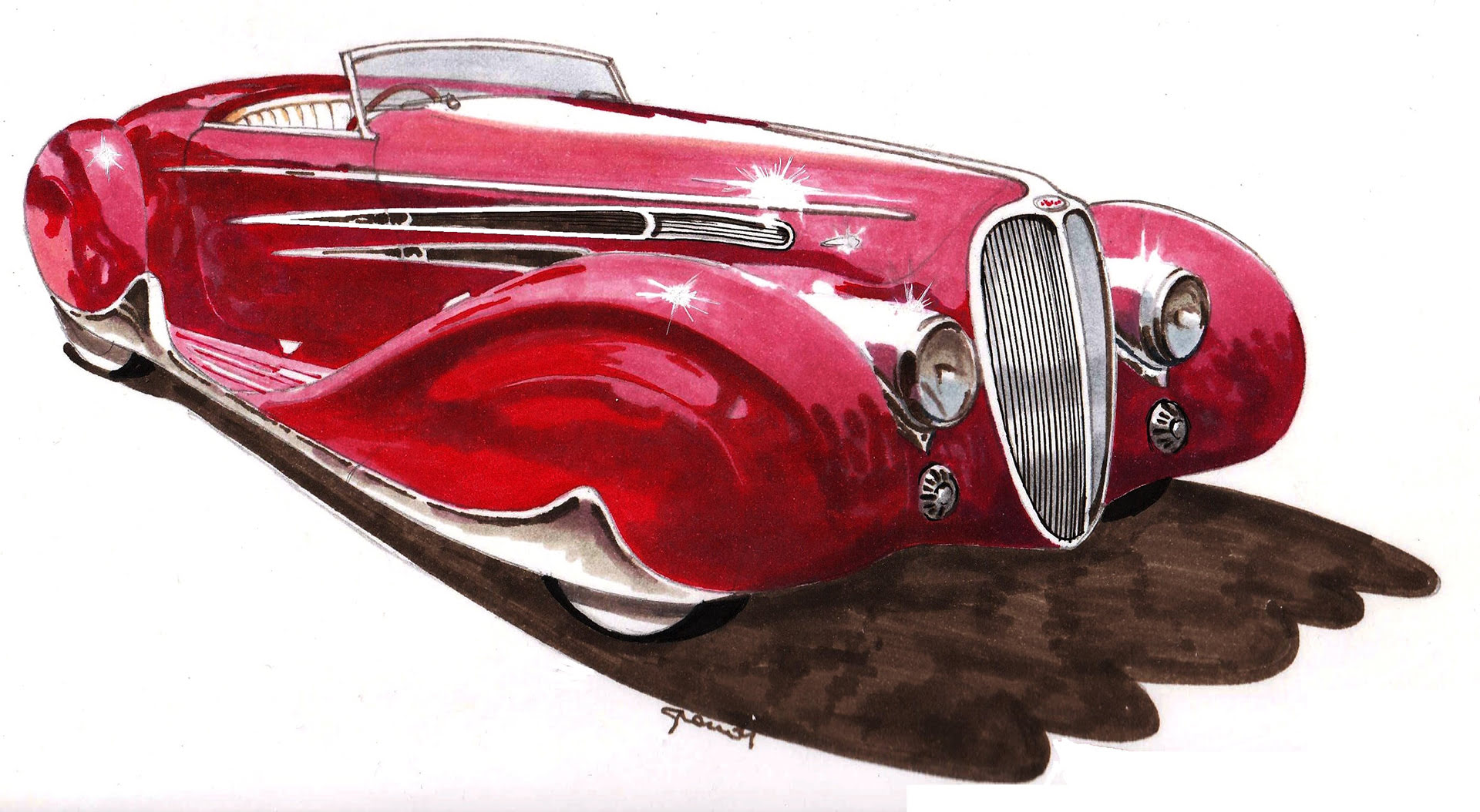
Photo credit: Massimo Grandi
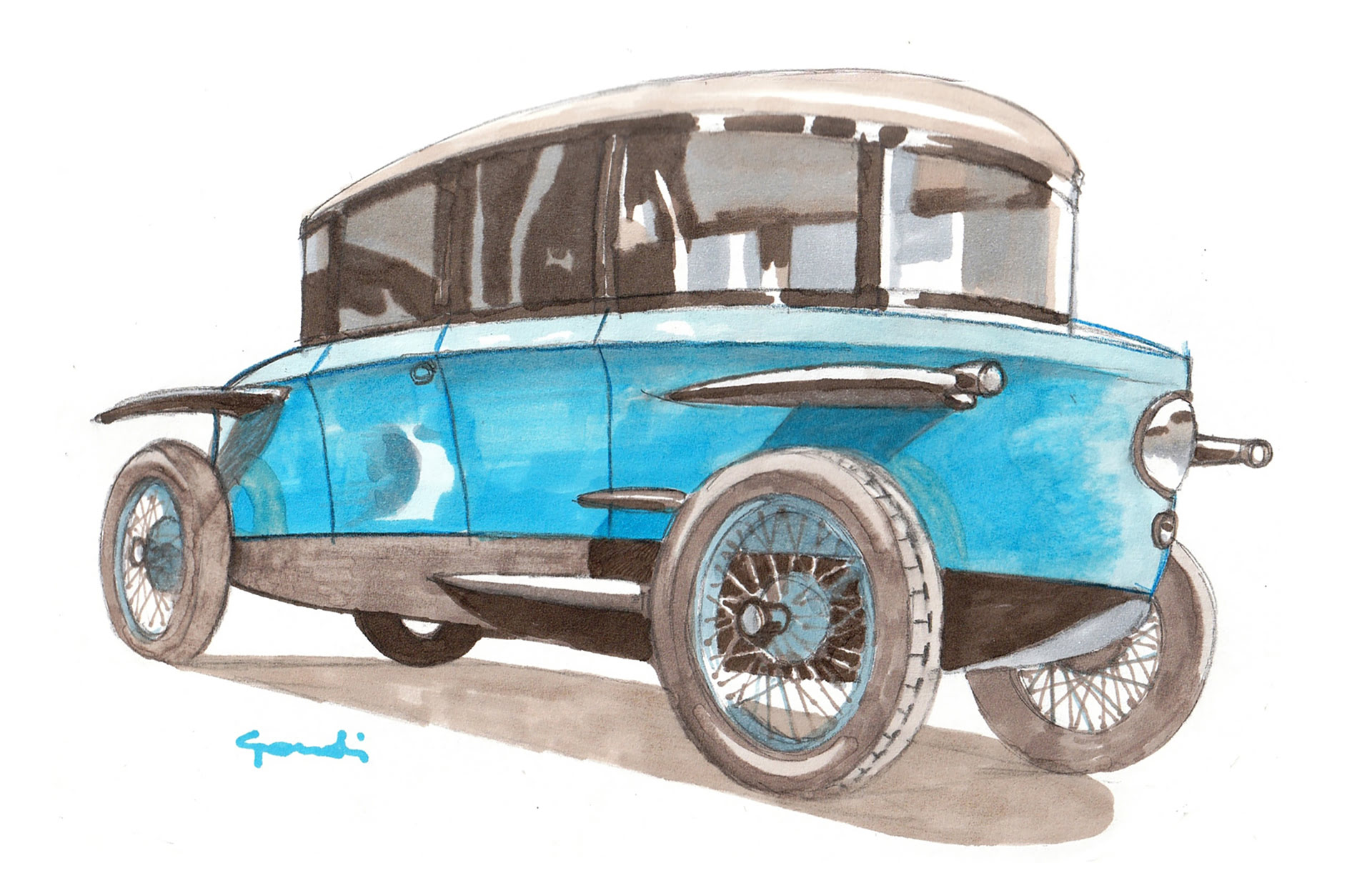
They are called the Crazy Years, the third decade of the ‘900s: a mixture of facts and circumstances that brought together the luxury of automobiles — such as the Delahaye 165 M — the irresistible Côte d’Azur, and the Great Depression; the opulent magnificence of the ocean liner Normandie, a true promotional standard-bearer for France across the world, and the formal rigour of the German Bauhaus; the birth of the most celebrated superheroes — from Mandrake to Batman, from Superman to Sheena, to name only the most famous and muscular among the many created — and the warnings of approaching war sent even through sport, by the German single-seaters Auto Union and Mercedes, ambassadors of an extraordinary technical supremacy.

In the 1930s, women were transformed. Clothing became functional: the tailored suit — a feminine version of the male ensemble — or else the grand evening gown, opulent and inspired, for those who could afford to look to the Hollywood divas for their style.

The women of those years had left behind so many rigid rules, as is told by the ambiguous allure of the beautiful Bugatti driver portrayed by Tamara de Lempicka, and by the tragic death of the dancer Isadora Duncan — on the Promenade des Anglais in Nice, strangled by the long silk scarf that caught in the rear wheel of the Amilcar CGSS spider she was riding in, and choked her.

Also art and literature found themselves caught in a sharp contradiction, as countries like Russia and Germany turned against modernism, branding it degenerate art. We all know how that decade ended. We all also know how profoundly the world was changed by the long and cruel Second World War: the automobile remained its symbol, passing from an object of luxury almost beyond reach, to an aspiration within everyone’s grasp.