A Tribute to Rainer Buchmann, the Tailor of Automobiles who Anticipated the Age of Personalisation
30 May 2026 1 min read 4 images
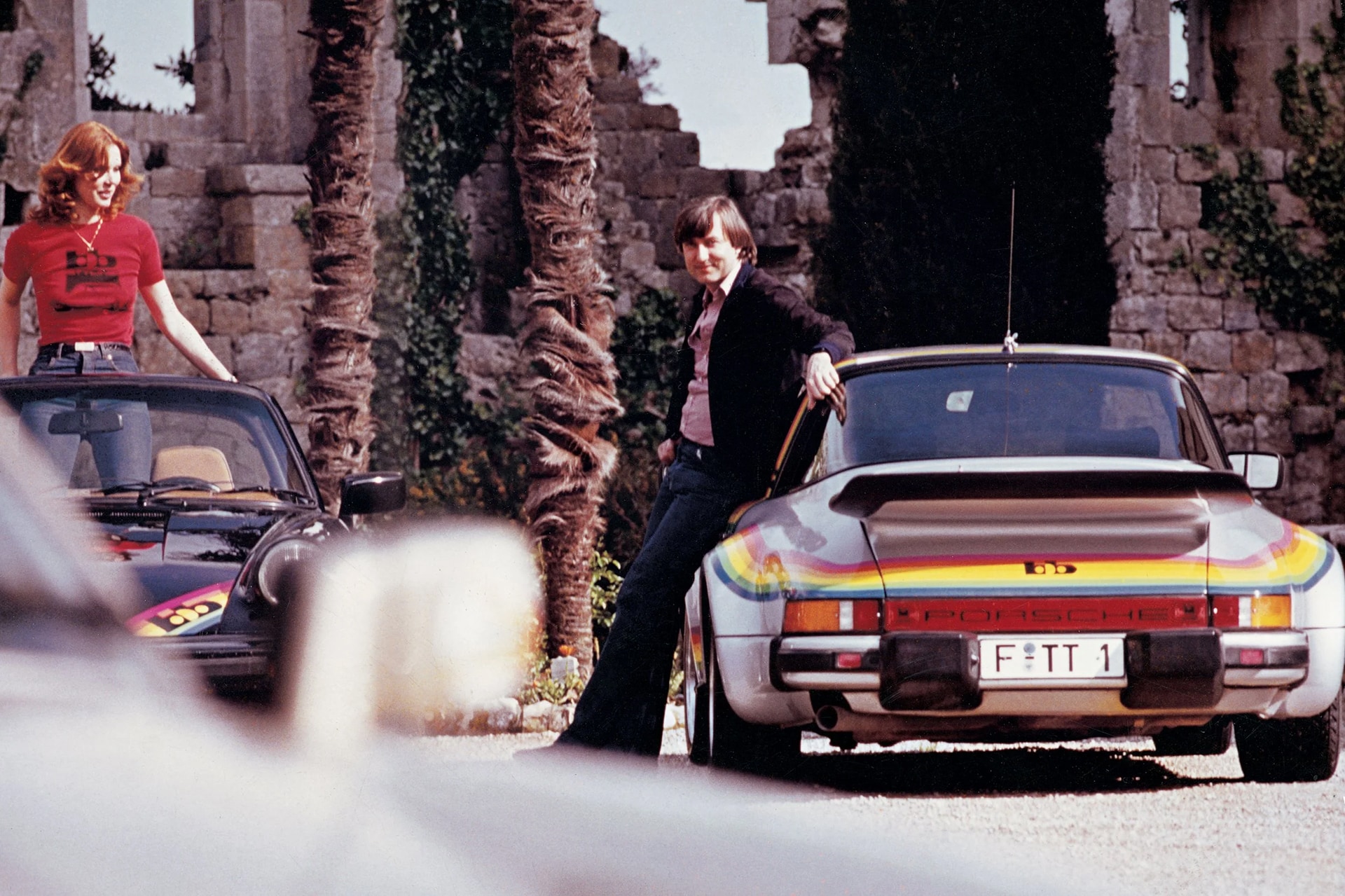
Photo credit: bb-Auto, Porsche, Wheelsage
Anyone who buys a supercar today, or even simply a prestige automobile, is invited to personalise it with an entire range of options spanning exterior colours to bespoke interiors and accessories not found in standard production. This is a pleasure for the buyer, who naturally accepts costs that are not always modest, and equally so for the manufacturers, who see their revenues increase in meaningful ways. We are in 2026, and all of this seems perfectly natural. It was not, in the 1970s, when Rainer Buchmann, son of a well-known German tailor, asked himself why the concept of "made to measure" could not be applied to automobiles as well.

From that insight, he founded bb-Auto together with his wife Kathrin. Before the company came into being, Buchmann had already begun experimenting with personalisation on Volkswagen Beetles, Karmann Ghias, and Porsche 356s, coming to understand that colour alone would never be enough to achieve something truly "bespoke". In the bb-Auto workshops there appeared fully customised interiors, advanced hi-fi systems, onboard telephones, digital instrumentation, and technological solutions that the industry would adopt only years later. Buchmann was not simply modifying cars; he was anticipating desires that manufacturers had not yet perceived.

Recognition came through the Porsches that made bb-Auto famous around the world. In the mid-1970s, the Porsche Turbo existed only as a coupé. Buchmann transformed a 930 Turbo into a Targa, reinforcing its structure in the process. His 930 Targa was identified by Polaroid as a compelling focal point for their stand at the 1976 Cologne motor show. Finished in Polaroid's corporate colours sweeping across the bodywork, the car became an international presence on the covers of specialist publications. The success of bb-Auto was further consolidated by the car's appearance in the film "Car-Napping", where it shared the screen with another Buchmann creation, the futuristic bb CW311.

As the company grew, bb-Auto became bb-Design, which proposed — among other creations — the CW311 as a supercar of remarkably advanced lines for the era. Across both bb-Auto and the subsequent bb-Design, Buchmann produced between 150 and 200 examples in total.
Roarington wished to celebrate this visionary, who set aside the cutting of cloth and the tailor's craft in favour of his passion for "dressing" automobiles, making his creations objects that collectors seek out to this day.