A Century in Motion – Part 14: The 1980s, the Joy of Changing Everything
09 May 2026 1 min read 4 images
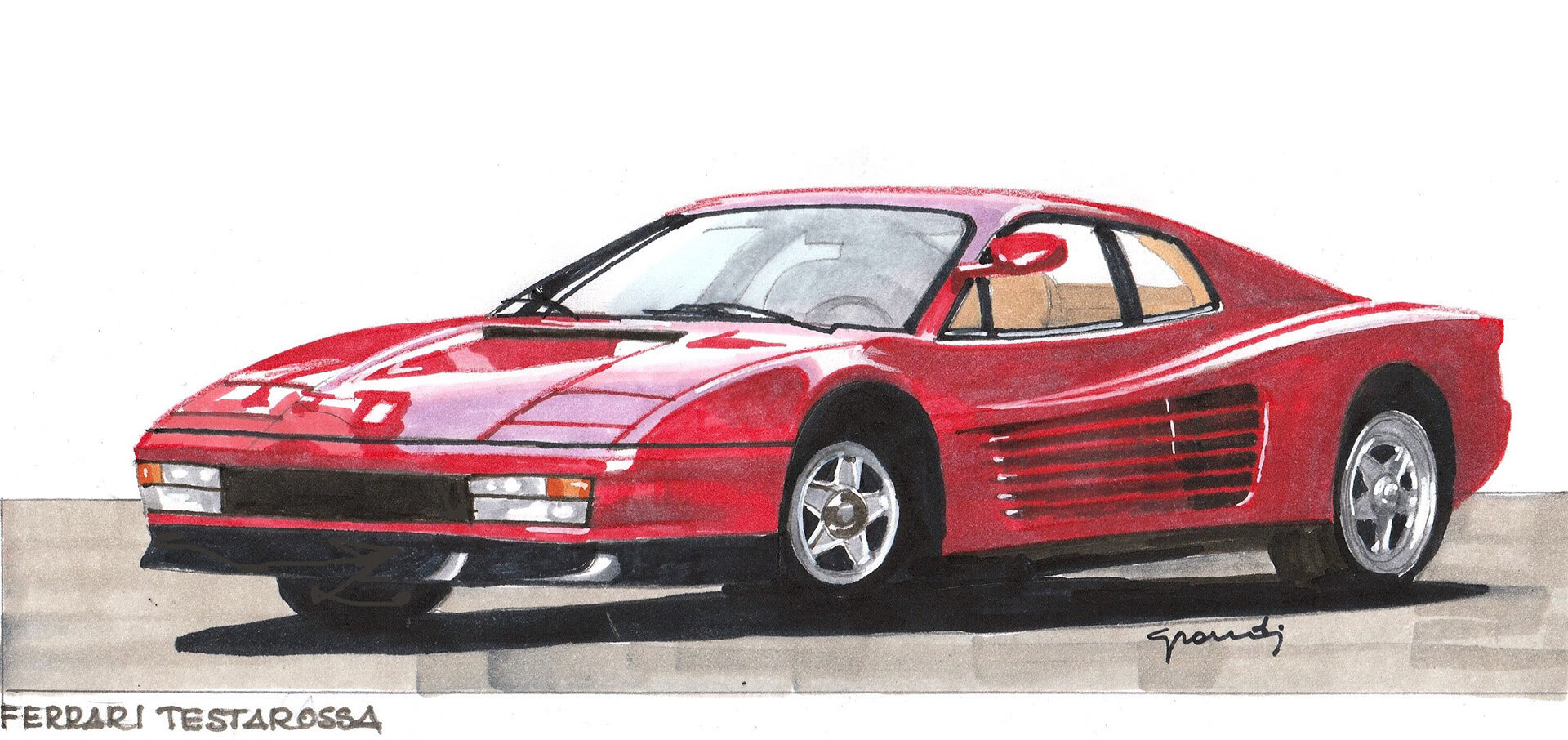
Photo credit: Issey Miyake, Massimo Grandi, Universal
With the 1980s, the world enters a phase in which the rules are redrawn by the desire for what is new, different, playful and multi-ethnic, against a backdrop of economic prosperity that would come to be associated with so-called Reaganomics (after American President Ronald Reagan). The symbol of these years is, without a doubt, the Ferrari Testarossa, with a stylistic expressiveness aimed at the message of power and at the abandonment of every form of restraint. If Pininfarina puts forward a style so aggressively bold, it is also because the boldness of those years goes beyond every rule: think of the art that exalts the murals of Keith Haring and Jean-Michel Basquiat, or of the insolence of Andy Warhol's techniques.

It is on the basis of these extremes that a vehicle outside of every rule appears on the market, capable of being adapted to the most varied uses, stripped of every code tied to the classic status symbols: the Renault Espace. Welcomed by the enthusiasm of children, it is an expression of what, in those same years, postmodernism would come to represent — where furniture and architecture step out of every scheme and leave full space to the imagination. If the Italy of Ferrari thrills, the France of the Espace surprises; the Volvo 760, beloved of architects and intellectuals, speaks of safety.

The German car takes the upper hand in the realm of luxury, solidity and performance: Audi, with the Quattro, overcomes every obstacle; BMW expresses sportiness at its highest; Mercedes-Benz confirms that it does not want to be merely a car of representation. These are also the years in which the fascination for Japan makes its way through: Japanese cars invade America, while designers such as Issey Miyake and Yohji Yamamoto break the Western codes of dress.

American and European children grow up in front of the television with Japanese anime and their heroes, while manga become one of the symbols of the Land of the Rising Sun. The liberating imagination of the 1980s reaches cinema as well, with the success of E.T. and films such as Gremlins, Stand by Me and The Goonies. On television, not to be missed, Miami Vice. Years that, seen today, feel like a dream.