A Century in Motion – Part 16: One Hundred Years of Automotive History Have Been Unpredictable. Will the Next Hundred Be Any Different?
23 May 2026 2 min read 4 images
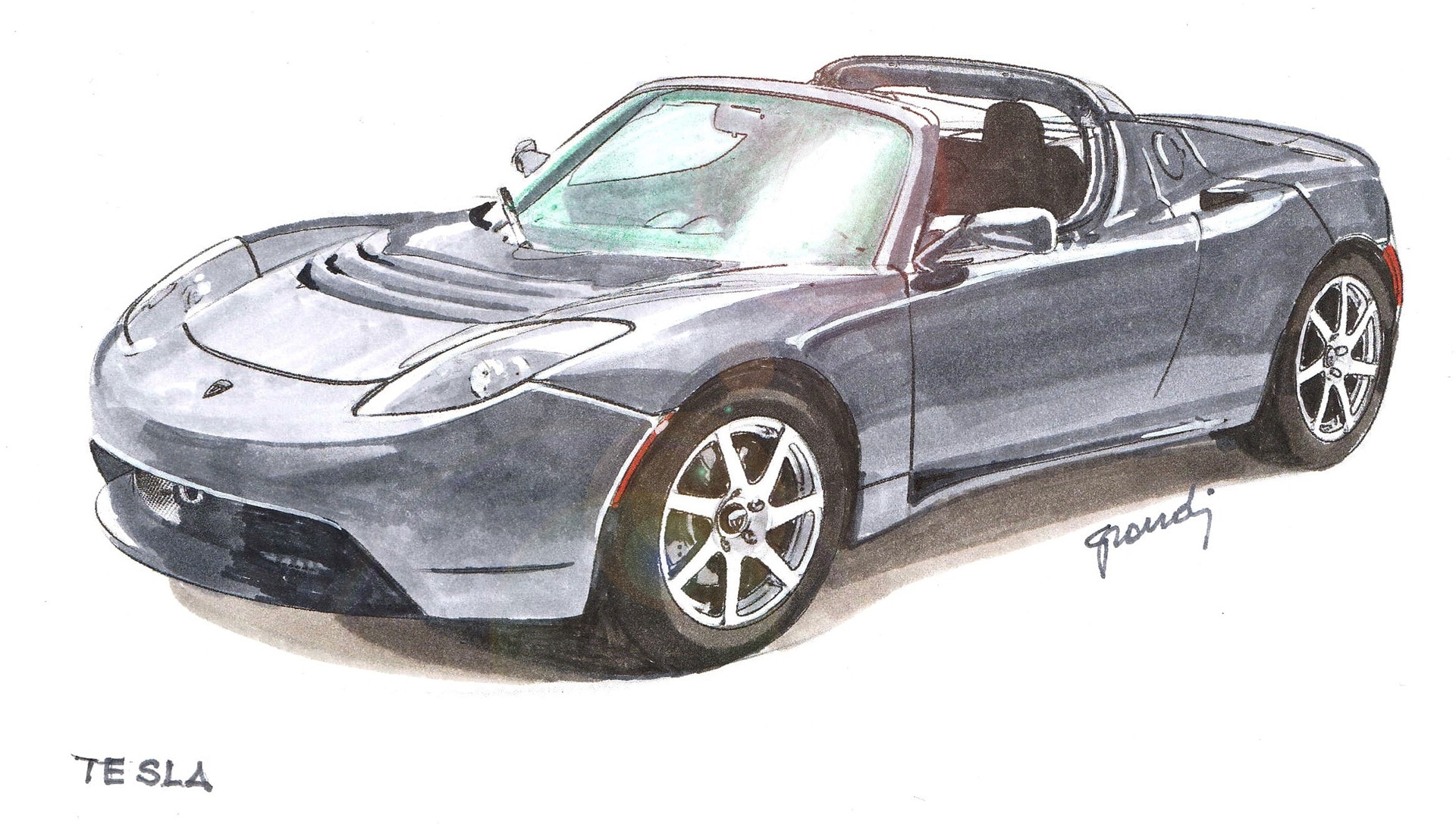
Photo credit: Apple, Jeff Koons, Massimo Grandi
Our story of the automobile — and the culture that accompanied it across more than a century — began with electric cars, and with electric cars it ends. At the turn of the twentieth century, they were plentiful. Then they disappeared, undone by a single invention: the electric starter motor, which rendered the cumbersome and dangerous hand crank obsolete once and for all. This story closes with the arrival of the first Tesla. It is 2008, and the electric roadster reopens the question of electric power as a viable reality of contemporary mobility.

The fifteen years preceding the Tesla's arrival weave together the broad diffusion of the digital revolution and the pursuit of cars capable of delivering a sense of well-being that had for too long remained the preserve of the few. The considerable success of the Bentley Continental GT is a blend of British spirit — never mind that the English marque now belongs to the Volkswagen Group — and the quiet pleasure of wearing a recognised luxury name. Rolls-Royce, equally in German hands under BMW, launches signals of quiet revolution without surrendering an ounce of its nobility or its customary grandeur.

Italian Design finds its interpreter in Kartell, which proposes a new domestic aesthetic through plastic materials treated with rare refinement, while Maserati — entrusted to Ferrari for its revival — presents the last great jewel of Sergio Pininfarina: the Quattroporte.
Art becomes creativity rendered in commercial terms, with works reproduced many times over — think of Jeff Koons's dog, or of Damien Hirst's deployment of his own visual language across surfaces that include, at times, the bodywork of automobiles.

Computers, too, become art with Apple, while the true revolution announces itself in the form of a simple telephone that will soon become an indispensable part of what we are. The smartphone reshapes the rhythms and habits of daily life.
Architecture grows theatrical, its practitioners elevated into authors of inhabitable works of art: these are the years of the "archistar", transformed into the creators of a new millennium. A millennium imagined as the symbol of a world united, free of conflict and division. The Italian artist Alighiero Boetti envisioned it as an evolution of what we already know — a world of fewer flags. For now, it has not turned out that way. But we are only at 2026.