A Century in Motion — Part 9: The Overwhelming America of the Postwar Years
04 April 2026 2 min read 4 images
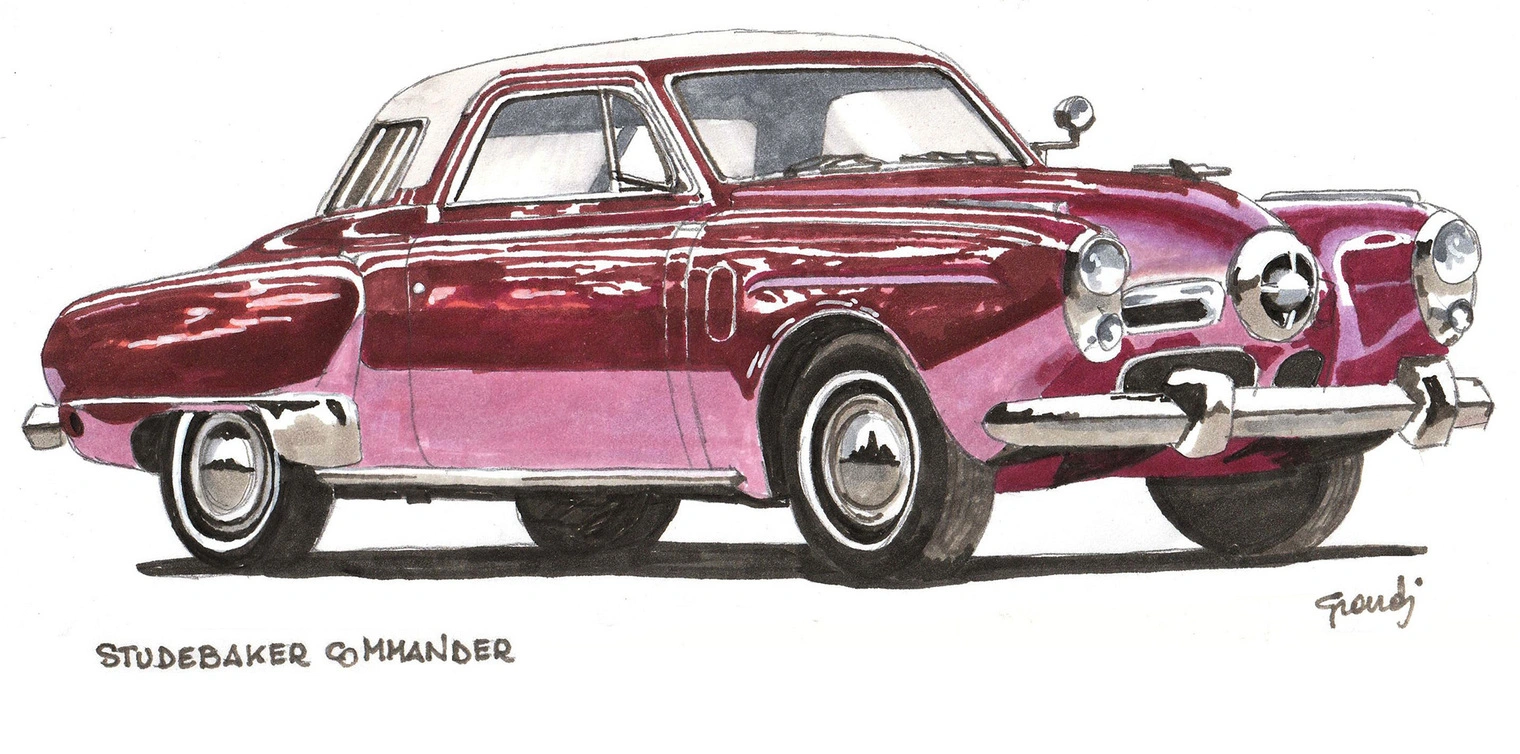
Photo credit: Coca-Cola, Massimo Grandi, MoMA, Salvador Dalí Foundation
While Europe, in those first postwar years, was engaged in a vigorous rebirth, America was swept by the euphoria of a victory that erased the long suffering of the Depression and the New Deal of the 1930s.
These are the years when California erupts with passion for the Hot Rods — those extravagant transformations of the 1932 Ford "Deuce," loaded with chrome and fitted with engines both powerful and thunderous — while the America of bourgeois families finds in the Woodys, the station wagons with their broad wooden bodywork, the perfect symbol of the garden-fronted suburban house and of a prosperity finally achieved.

The hunger for the new unleashes art and architecture alike: Jackson Pollock gives birth to action painting, while European artists become the spark that ignites the explosion of Pop Art, or interpret the American taste by imagining surreal automobiles — as in the case of Salvador Dalí and his Automobiles habillées.

These are also the years of design finding its expressive voice even in ultra-modern kitchens, colossal refrigerators, and the beloved television set. Among so many designers, one remains truly unforgettable: Raymond Loewy — not only for his reinvention of the Coca-Cola bottle, but for his magnificent trains and for a car that made history, the Studebaker Commander.
Yet while design was proposing innovations such as this, the race toward ostentation broke loose in a contest without half-measures among Ford, Chrysler, and General Motors. The rear fins and the mighty chrome bumpers seemed to know no limit, and in this, Cadillac, the luxury marque of GM, had absolutely no rivals.

The American taste spread its contagion to the European coachbuilders as well: the rounded windshield of the convertibles made a splendid impression on an Italian success, the Lancia Aurelia America. Hollywood, in those years, became the world symbol of cinema, with costly productions of great quality — films like Alfred Hitchcock's Vertigo and Fritz Lang's The Big Heat, westerns like High Noon and The Searchers, comedies like Some Like It Hot and Singin' in the Rain. It is no surprise that the American Dream renewed and strengthened itself across the entire world.