A Century in Motion – Part 3: 1910–1918: The Automobile’s Leap Forward Between Creative Upheaval and Global Conflict
14 February 2026 1 min read 4 images
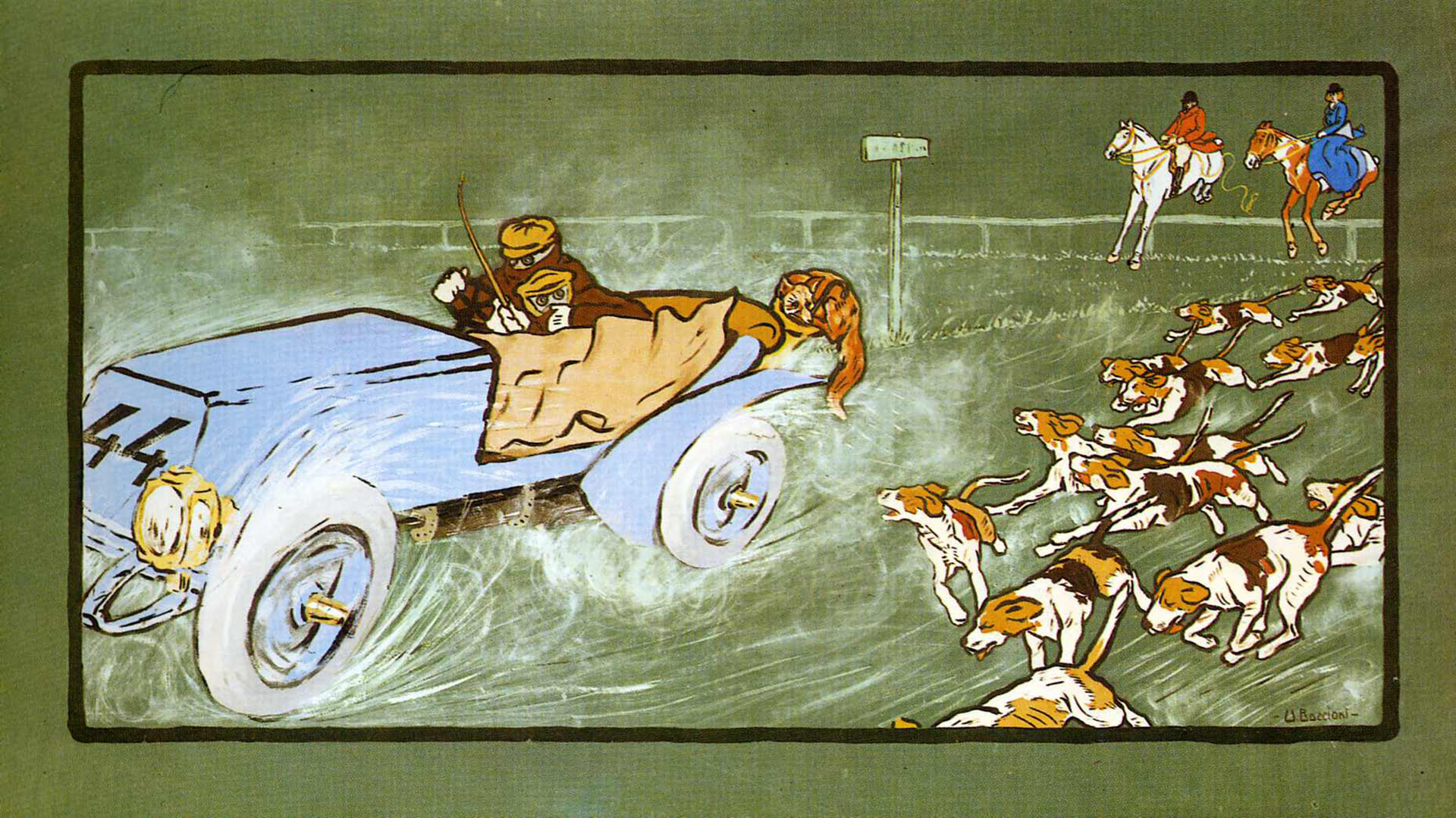
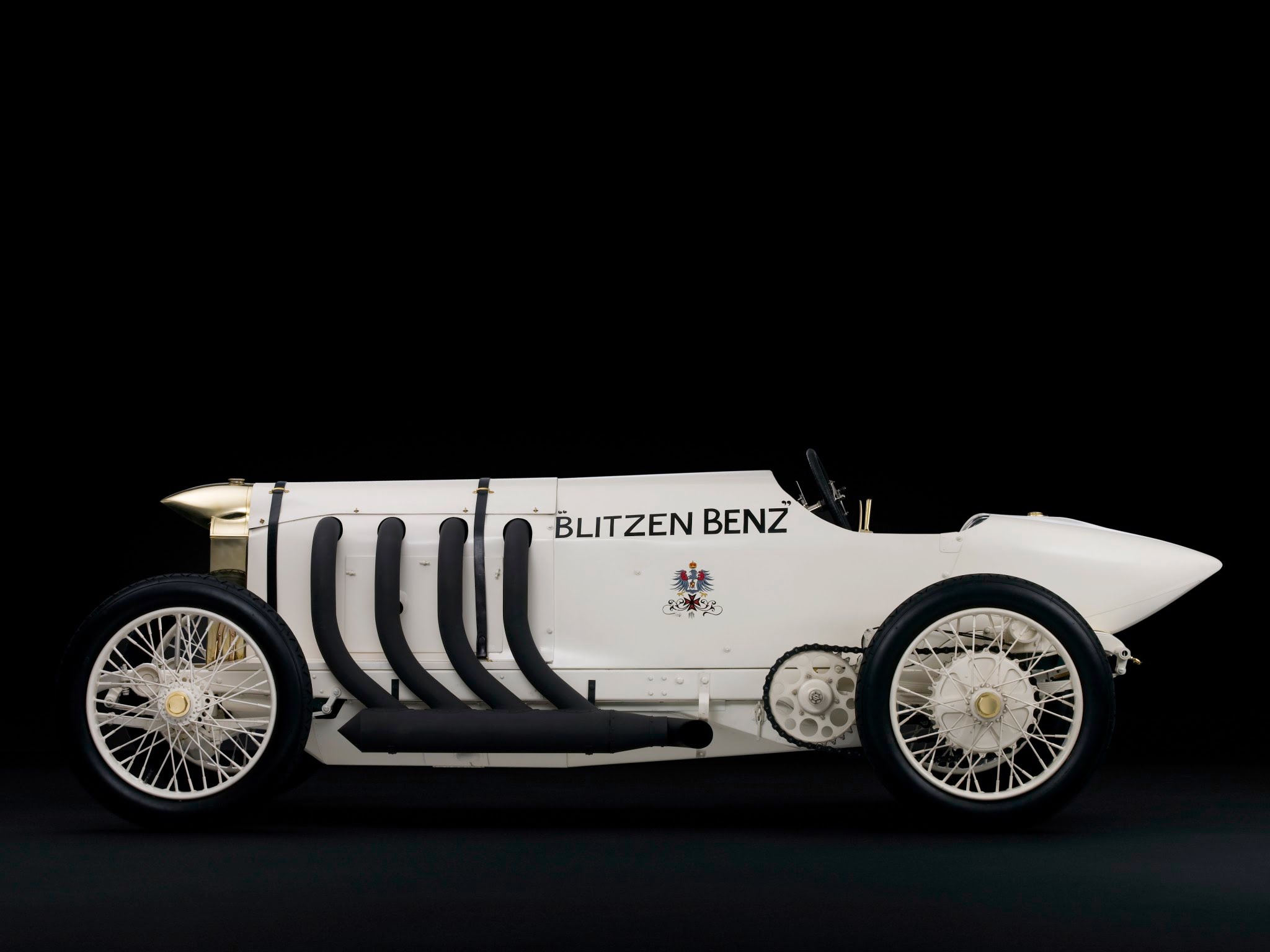
Photo credit: Massimo Grandi, RM Sotheby’s
The enthusiasm for the new — combined with the wonder of being able to move independently by automobile and, shortly afterwards, to take to the skies thanks to the powerful magic of the internal combustion engine and heavier-than-air aircraft — led art, design, music and architecture to reject everything that belonged to the nineteenth century. What would later be known as the Historical Avant-Gardes opened art to every technique and every interpretative possibility, with names that remain etched in history: from Matisse to Picasso, from Kandinsky to Mondrian, and eventually to the boundless freedom of the Dada movement.

In this world of overwhelming ferment — also the years in which Albert Einstein introduced the concept of time as the fourth dimension and Sigmund Freud explored the depths of the human psyche — the automobile initially struggled to evolve. The concept of air penetration and aerodynamics was not yet applied to road cars, which remained tied to the traditional carriage-inspired form.

It would be the First World War, and above all aviation — with the widespread use of aluminium (one need only think of how Ugo Zagato would later turn this expertise into the foundation of his success) — that pushed the automobile towards its first phase of modernity. And it would not be the last in its long history.

It was America that began to seek new and distinct languages in this field. It did so through the pursuit of speed records and through Hollywood cinema, where imagination extended even to bold and unconventional uses of colour, as seen with the Ruxton Model T. Let us therefore leave to the post-war years the presentation of a new era — one that, in its pursuit of luxury, elegance and refinement, would define what came to be remembered as the “Roaring Twenties”.
See you next Sunday.