A Century in Motion – Part 13: Towards the ‘80s, make way for women and for the pleasure of the new
02 May 2026 1 min read 4 images
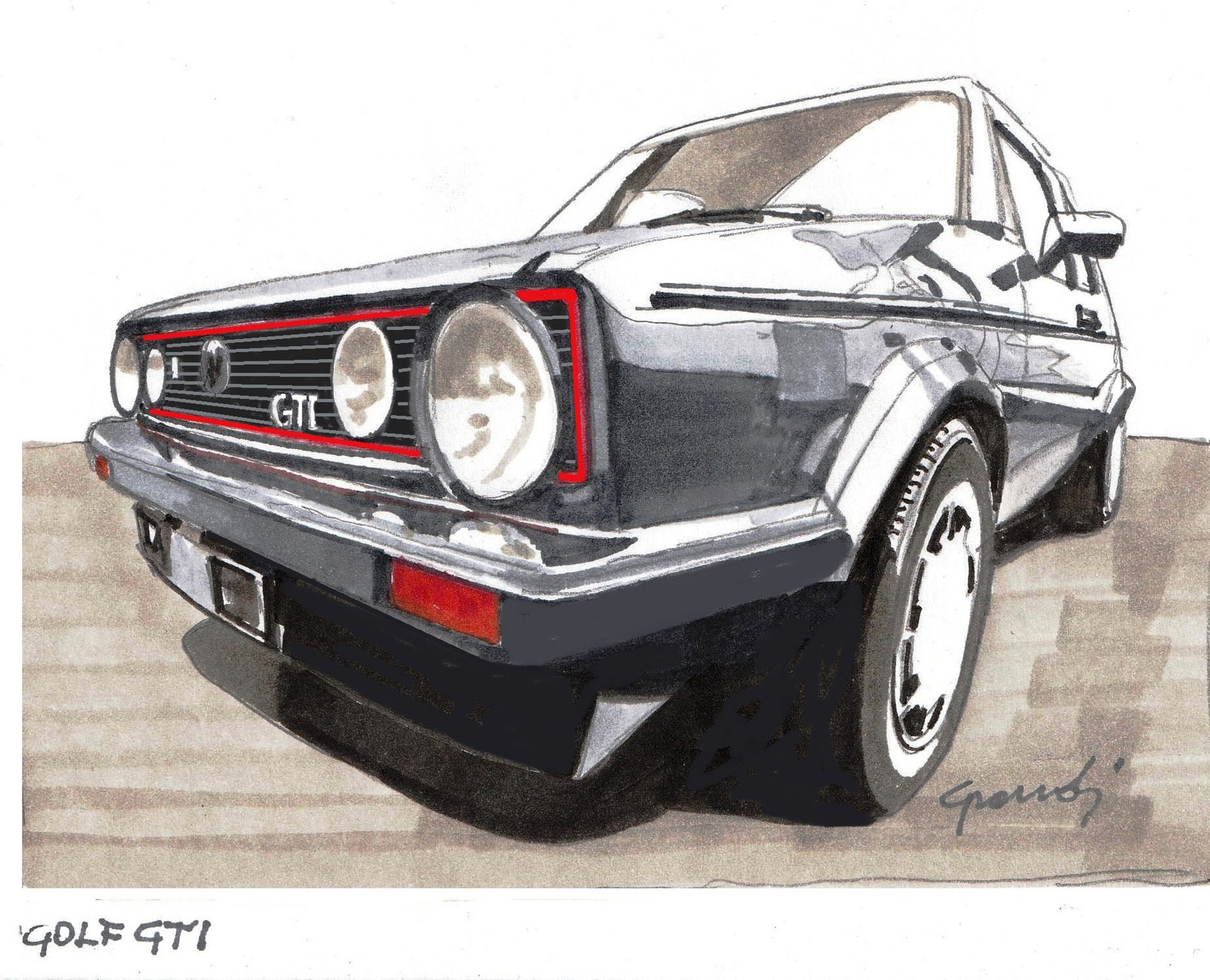
Photo credit: Massimo Grandi, MoMA, Renault
The Beatles sing “Baby you can drive my car, yes, I’m gonna be a star. Baby you can drive my car and, maybe, I’ll love you.” The fearful oil crisis of the car-free Sundays is behind us, and pessimism — the very same we are living through today — becomes the prelude to a lively and uninhibited transformation.
Women change their style: every kind of skirt is now possible, the scent of freedom makes them less maternal and more androgynous, and they are by now aware that feminism will at last have served its purpose — and that they can, finally, choose their own car for themselves.

The first car — a perfect fit for vivid colours, rationality and innovation — is the Renault 5. As in fashion shoots, where the trendiest photographer finds new poses and new expressions for his top models, the Renault 5 knows how to pose, with the insolence of being the first car without bumpers. Yes — in their place are the moulded shields that wrap the body and protect it, like a pair of close-fitting, protective jeans.

Art chooses the colours used in geometry, as in the minimalism of Donald Judd at the MoMA, with his cabinet brought to life by chromatic interplay.
Men, in those years, find the best balance of elegance, sportiness and low fuel consumption — a useful inheritance, after the crisis — in the Golf GTI, ideally in a metallic colour. Its acceleration and the refined elegance of its cabin make it the first compact, easy-going status symbol.

These are dynamic times, the ones now opening onto the 1980s — the times that prepare what will be christened “Reaganite hedonism,” tied to the consumer exuberance of Ronald Reagan, former actor and the next President of the United States.
In those same years, on the roads of Europe — and, why not, off them too — the solid, eclectic Lada Niva also begins to appear, hinting that the Berlin Wall will not have too many years left ahead of it, and that the East is about to throw open its doors.