A Century in Motion — Part 11: The Revolutionary 1960s, as Seen from London
18 April 2026 1 min read 4 images
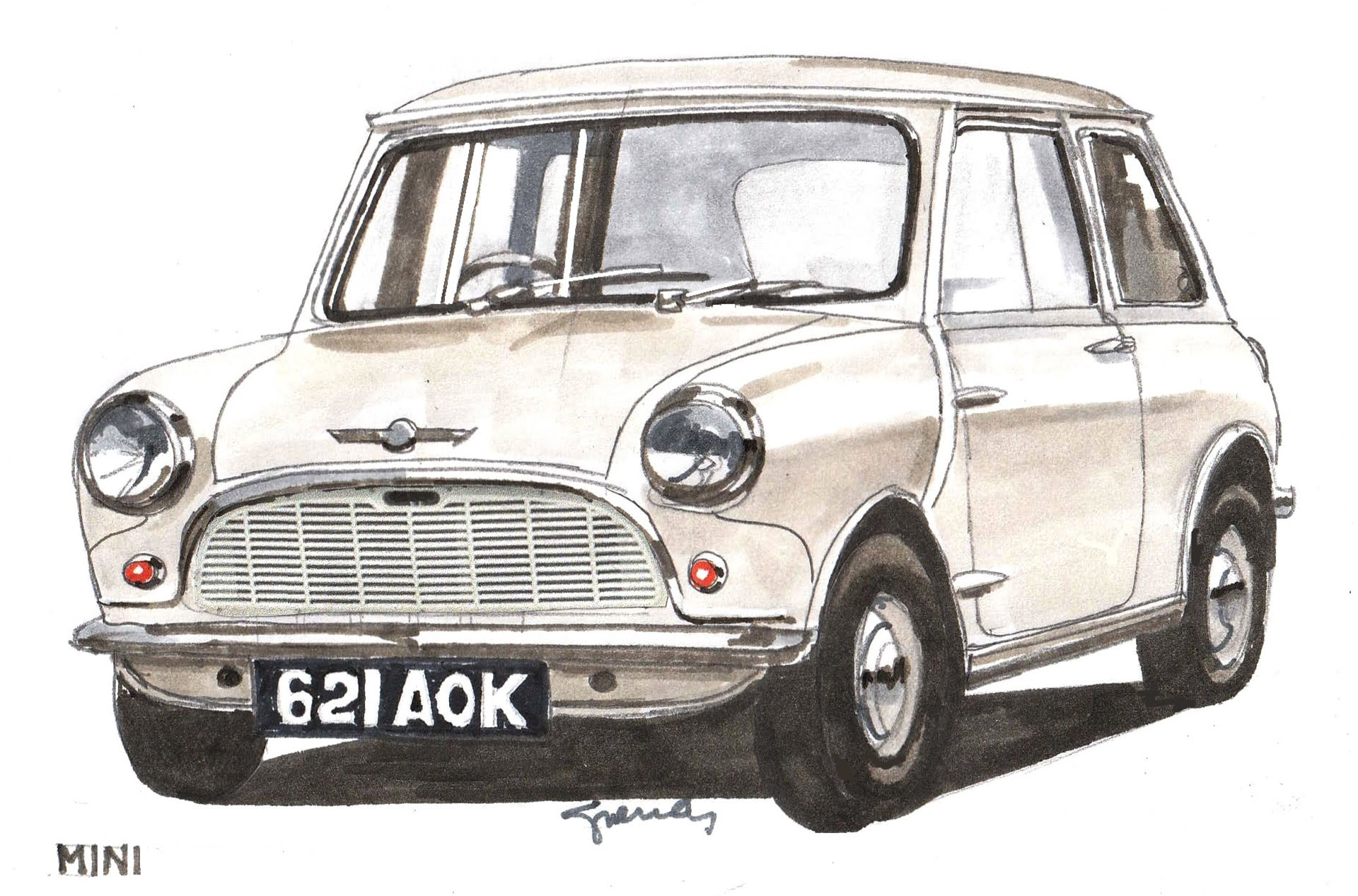
Photo credit: Massimo Grandi
Those who lived those London years cannot forget them. From Carnaby Street all the way to Kensington, you had the feeling of inhabiting an entirely unknown world: shops open with the music of the Beatles and the Rolling Stones drifting out into the street, girls with skirts down to the ground and bare feet, or else in miniskirts short enough to make your head spin — precisely those launched by Mary Quant alongside her clothes designed to sever every last connection with the past. For men, flared trousers and fur coats in place of the old overcoat. And then, out on the streets, the small, revolutionary Mini — appearing almost like a joke beside the English cabs and the Rolls-Royces of the City that seemed to appear at every turn. Not to mention the Biba store, where, at prices absolutely within reach, you walked in as your old self and walked out impossibly young, already living in tomorrow.

If the 1960s left their mark on every country, in London this happened at an altogether higher power. Not to be forgotten, among so many things, is the birth of Pop Art — soon transplanted to the United States, but originating in the revolutionary wave of a London grappling with a new reality: one in which colonialism was already part of the past, and wealth would have to be found in finance and in innovation.

While in England Alec Issigonis’s Mini idea had challenged the solid tradition of British design — born from the pencil of a man who had drawn the bodywork around the silhouettes of its occupants, luggage included — in Germany everything was different. In 1963, when the classic Porsche 356 was replaced — itself born from a daring but inspired reinterpretation of the Beetle, rooted in absolute functionality even in sport — the 911 was presented to the world. The car was conceived under the banner of an aesthetic that was to be sleek and sporting, yet capable of accommodating four people. The many attempts did not convince, and the choice fell on a classic 2+2 configuration: the 911, precisely. No one, at that moment, could have imagined that a car so painfully arrived at in its aesthetic choices would go on to become the most long-lived and desired of all Porsches.

Still in the 1960s, innovation arrived in Formula 1 as well: the British teams made the move to a rear-mounted engine — with Cooper first, then Lotus, and all the others following — while in Germany, Porsche attempted Formula 1 with its air-cooled four-cylinder. Courageous, coherent with its market positioning, but not capable of matching Ferrari and the British teams. The adventure ended quickly.