Zagato: Over a Hundred Years of Achievements. 1940–1950: From the Bombs to the Conquest of Europe
07 March 2026 1 min read 4 images
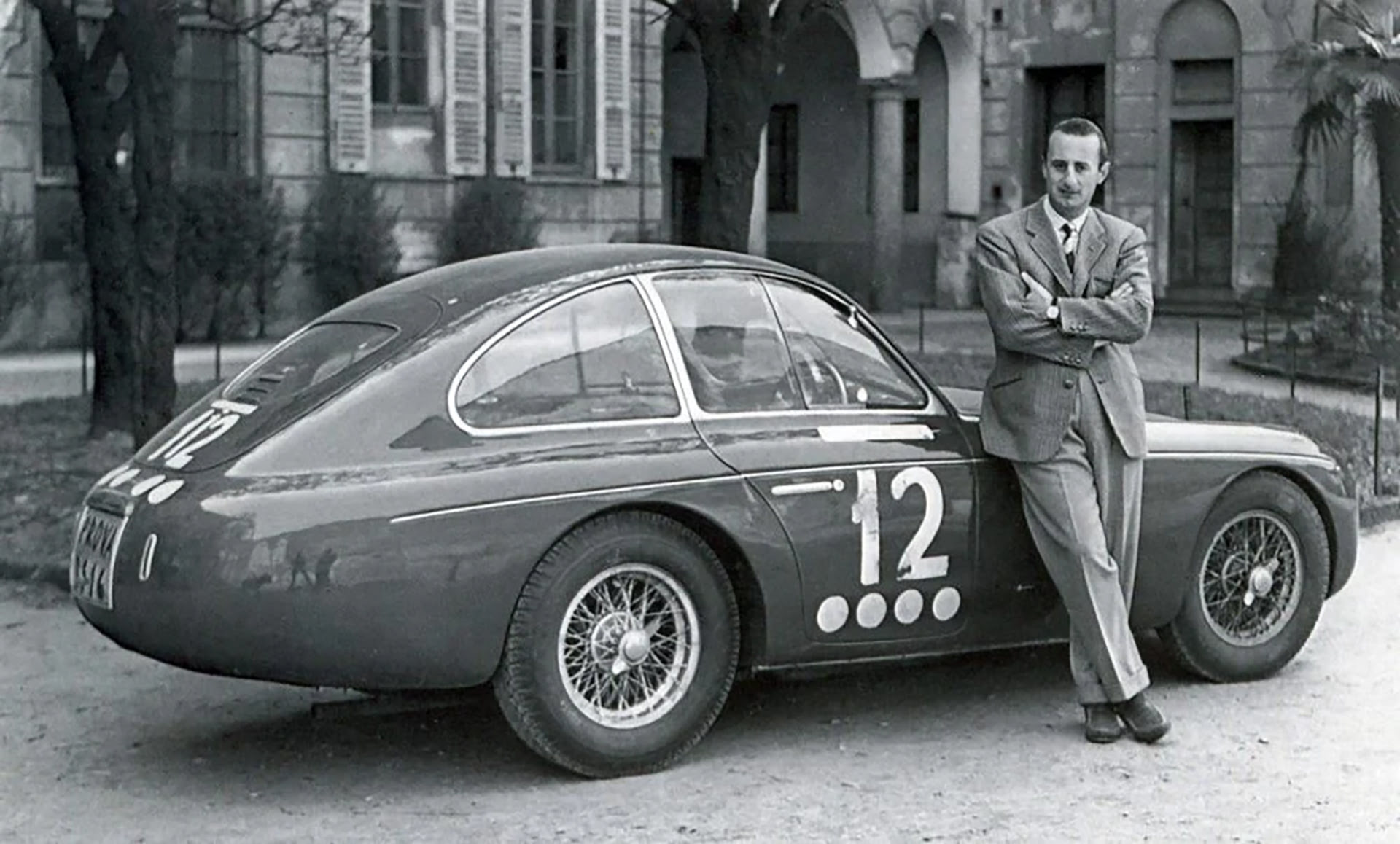
Photo credit: Zagato, Carrozzieri Italiani
On the night of 13 August 1943, Milan was bombed by the RAF with devastating consequences — among them, the complete destruction of the Zagato workshops at Corso Sempione 27. Ugo did not lose heart. He moved to Saronno, to a provisional facility near the Isotta Fraschini plant. There, even while producing components useful to the war effort, his mind was already reaching beyond the conflict, towards the automobiles of the future. And it was in those difficult days that the idea of the “panoramic” car was born. The pursuit of the best possible aerodynamic coefficient — a memory of his aeronautical experience — suggested the creation of wide glazed surfaces, with a windscreen and side windows that curved upward to become part of the roof itself. The use of a new material — Plexiglas, in place of heavy conventional glass — made it possible to form those curved surfaces and achieve remarkable savings in weight. A testament, this, to the extraordinary visionary power of Zagato’s creativity.

The marriage of maximum interior space with aerodynamic perfection gave to history a generation of cars with clean, unbroken lines — free of protrusions, free of sharp edges — absolutely functional and strikingly original. On this theme, proposals were developed on the mechanical platforms of Alfa Romeo, Ferrari, Fiat, Lancia, Maserati, and MG-Rover. But the very soul of the concept was, without doubt, the small and antiquated Fiat Topolino, transformed into a futuristic little spacecraft capable of winning races.

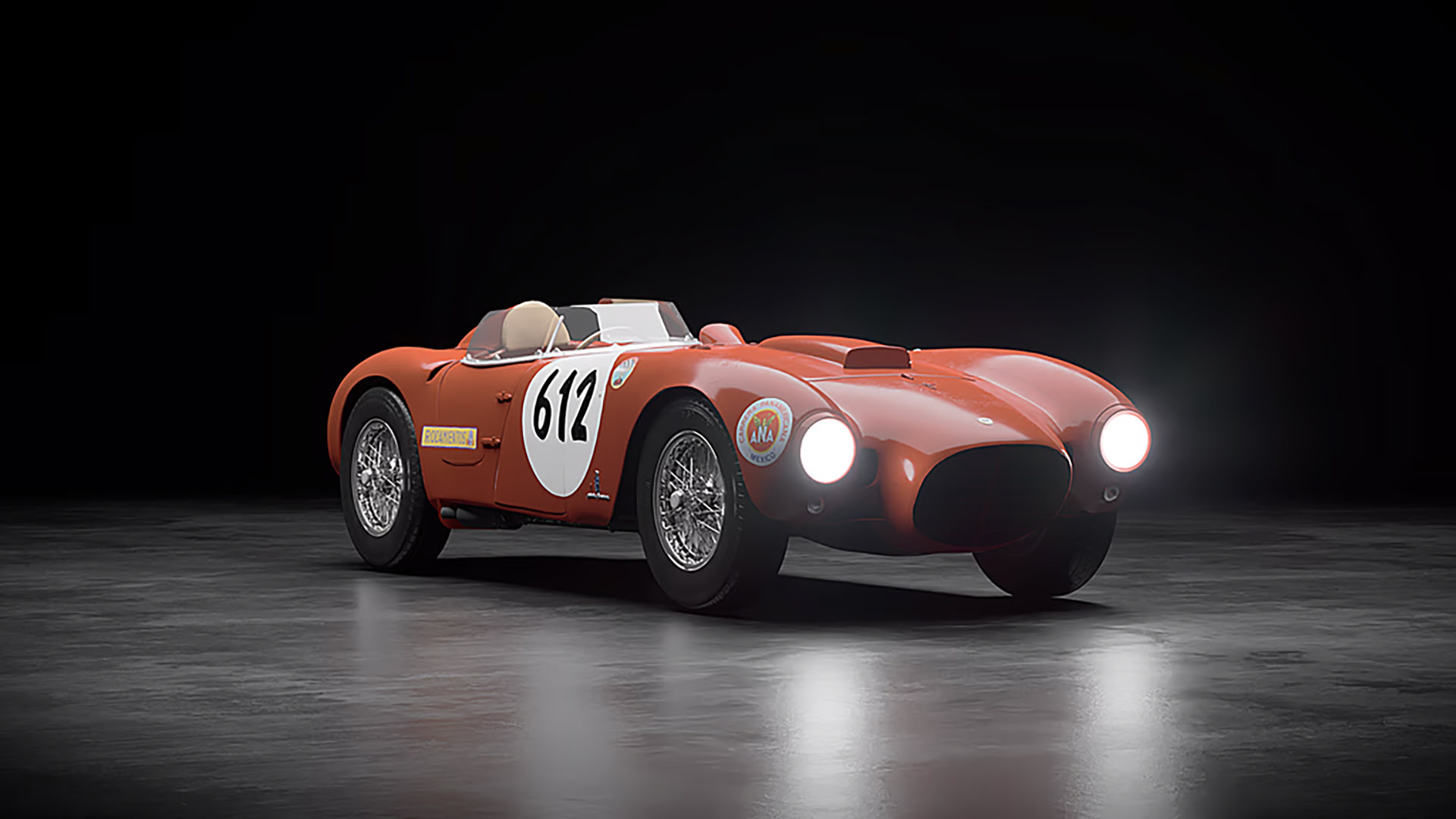
And it is precisely the races that made Zagato’s international reputation. The post-war years, with the revival of great road races such as the Mille Miglia and the Targa Florio, gave motor sport a new and extraordinary category of car: no longer only the Touring and Sport classes, but now also the Gran Turismo — two doors, sporting in character, yet homologated for road use and offered for regular sale. Real cars, in other words.

Young Elio Zagato, Ugo’s eldest son, was one of the principal architects of the category’s success: not only a brilliant creator — together with his brother Gianni — of extraordinary automobiles, but a winning racing driver in his own right. Consider that across 160 races entered, he stood on the podium 110 times and took the victory outright on 83 occasions. His finest memory was the conquest of the 1955 European Championship, when, in Berlin, on the fearsome AVUS circuit, he drove his Fiat 8V Zagato to victory and to the Title, ahead of an entire pack of Porsches.
It should come as no surprise, then, that so many constructors and drivers of that era entrusted Zagato with the creation of their winning cars. Among them, in alphabetical order: AC Cars, Alfa Romeo, Aston Martin, Bristol, DB Panhard, Ferrari, Fiat, Fiat-Abarth, Frazer Nash, Jaguar, Lancia, Maserati, Moretti, Osca, Renault, Siata, and Porsche. We will discover their stories in the next chapters.