Zagato: Over a Hundred Years of Achievements. The First Generation – Ugo Zagato
28 February 2026 2 min read 4 images
Photo credit: Zagato
It was called the Café Vittorio Emanuele, the place in Milan where, in the early 1920s, the devotees of motor sport used to gather: journalists, engineers, racing drivers, and anyone who wished to feel themselves part of that great enthusiasm for automobile and motorcycle racing. Among the regulars were two young men of enormous ambition — a driver still at the beginning of his career, Enzo Ferrari, and an aeronautics expert who had consecrated himself to the art of coachbuilding, Ugo Zagato.

Their professional destinies soon found occasion to intersect. Enzo Ferrari, despite being a gifted driver, understood after some years of racing that his true calling was to become a constructor. In 1929, he embarked on what seemed an impossible adventure, founding the Scuderia that bore his own name, with the decision to field important drivers in Alfa Romeo cars. Such an ambitious challenge demanded winning automobiles. Who better than Ugo Zagato — a man who had mastered aluminium during the years of the Great War — could build cars that were both light and competitive?
The agreement between the two friends from the Café Vittorio Emanuele required no great deliberation, and the results were visible at once: the Scuderia Ferrari’s Alfa Romeos flew — and that is not a metaphor — thanks to the aeronautical techniques of the Milanese coachbuilder.

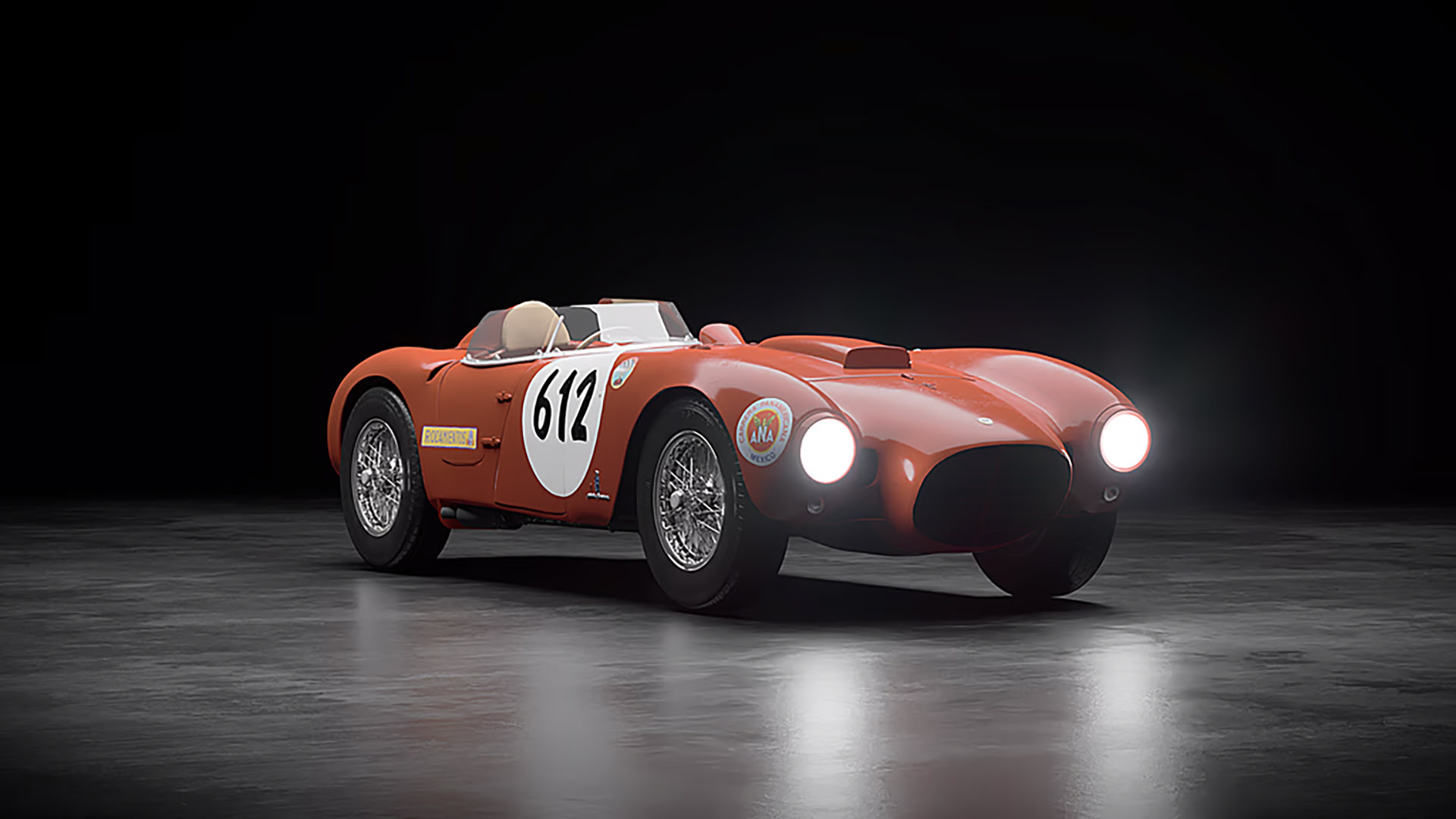
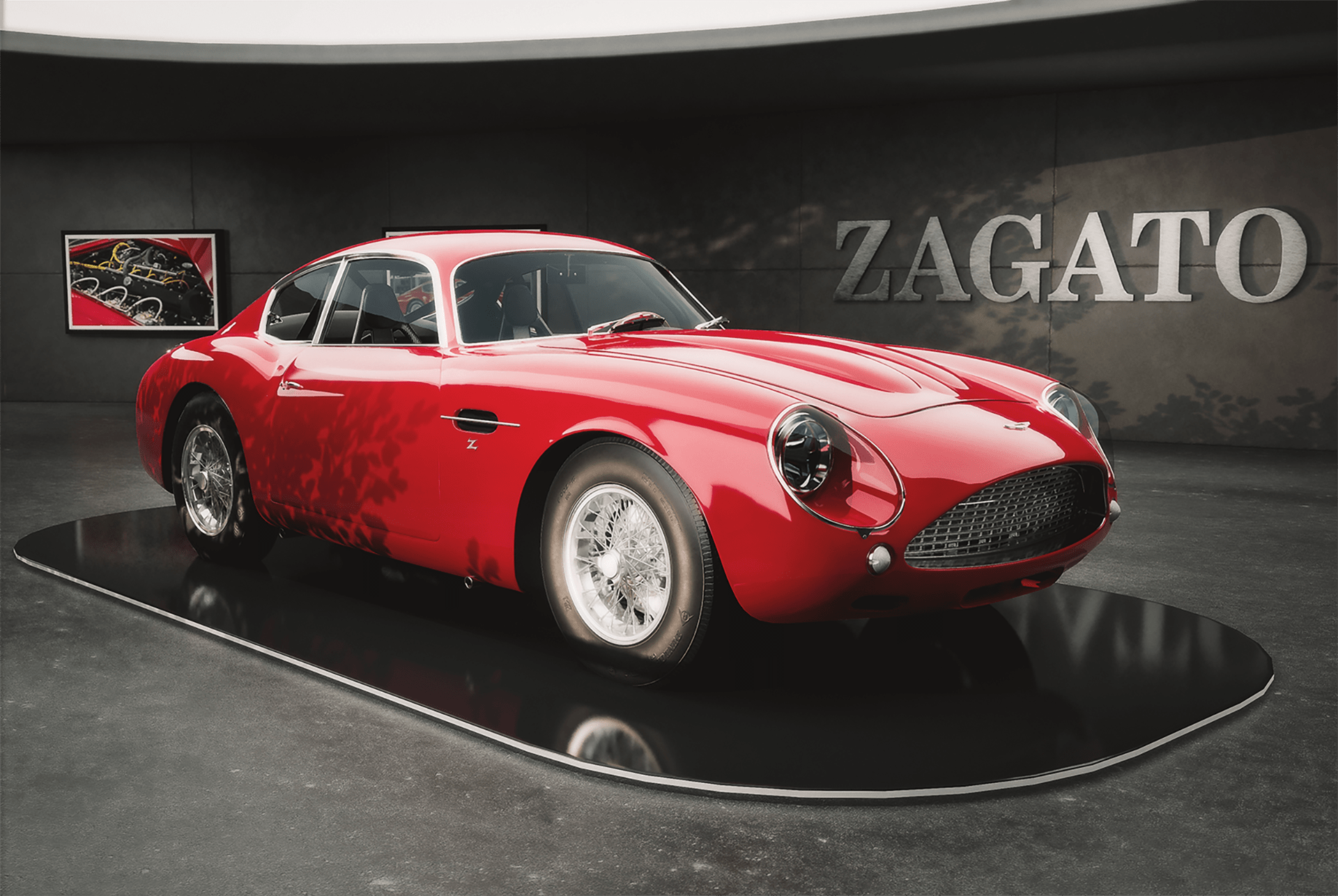
Ugo Zagato, with the competence built up in designing and constructing aeroplanes whose very strength lay in their lightness, had developed an original technique for attaching bodywork to the chassis of competition cars — and this knowledge became the foundation of his success. It was not only the Alfa Romeos of the Scuderia that were “dressed” in Milan: from those years one recalls competition cars for marques such as Fiat, Maserati and Lancia. Automobiles that gathered within them other ideas of the gifted Ugo as well: the use of Plexiglas for the glazing, and the near-obsessive pursuit of original aerodynamic solutions, among them the roof with its twin humps — soon to be christened the Double Bubble.

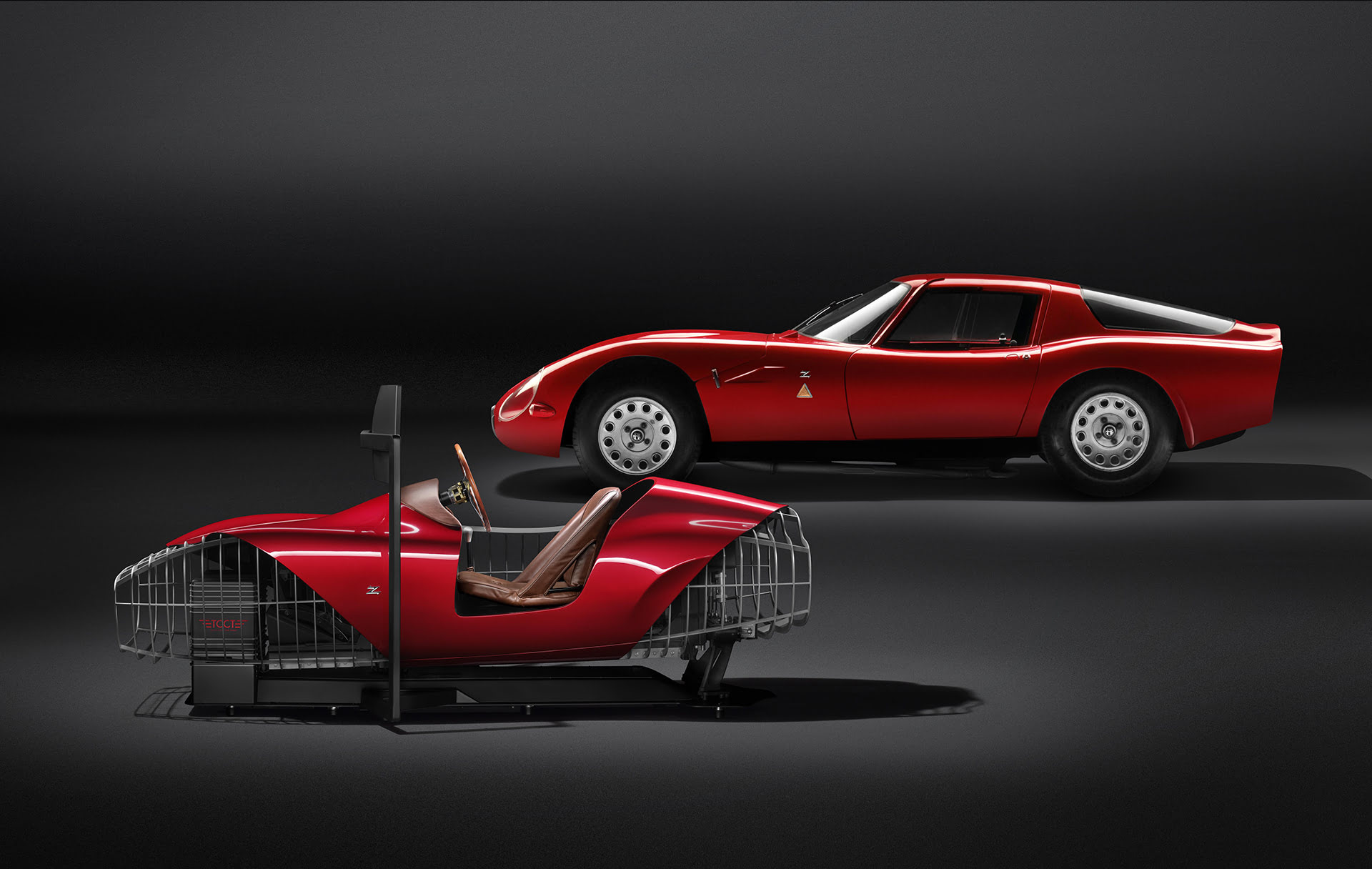
Ugo Zagato’s sons, Elio and Gianni, grew up in the shadow of so brilliant a father, and were inevitably drawn toward the work of the coachbuilder and toward the world of racing. Elio possessed a recognised talent that led him to significant victories, including on the international stage, while Gianni showed a gift for commerce and affairs — two contributions to the company that, in the post-war years, brought Zagato to absolute leadership in the production of Grand Touring competition cars. The secrets? Always the same ones, handled with mastery: the aluminium technique for lightness, refined aerodynamics, and an unceasing innovation in materials and in forms. A truly singular story — one we shall continue to tell at our next appointment.