Pininfarina: Italian Icons, Digitally Experienced
03 January 2026 1 min read 1 images
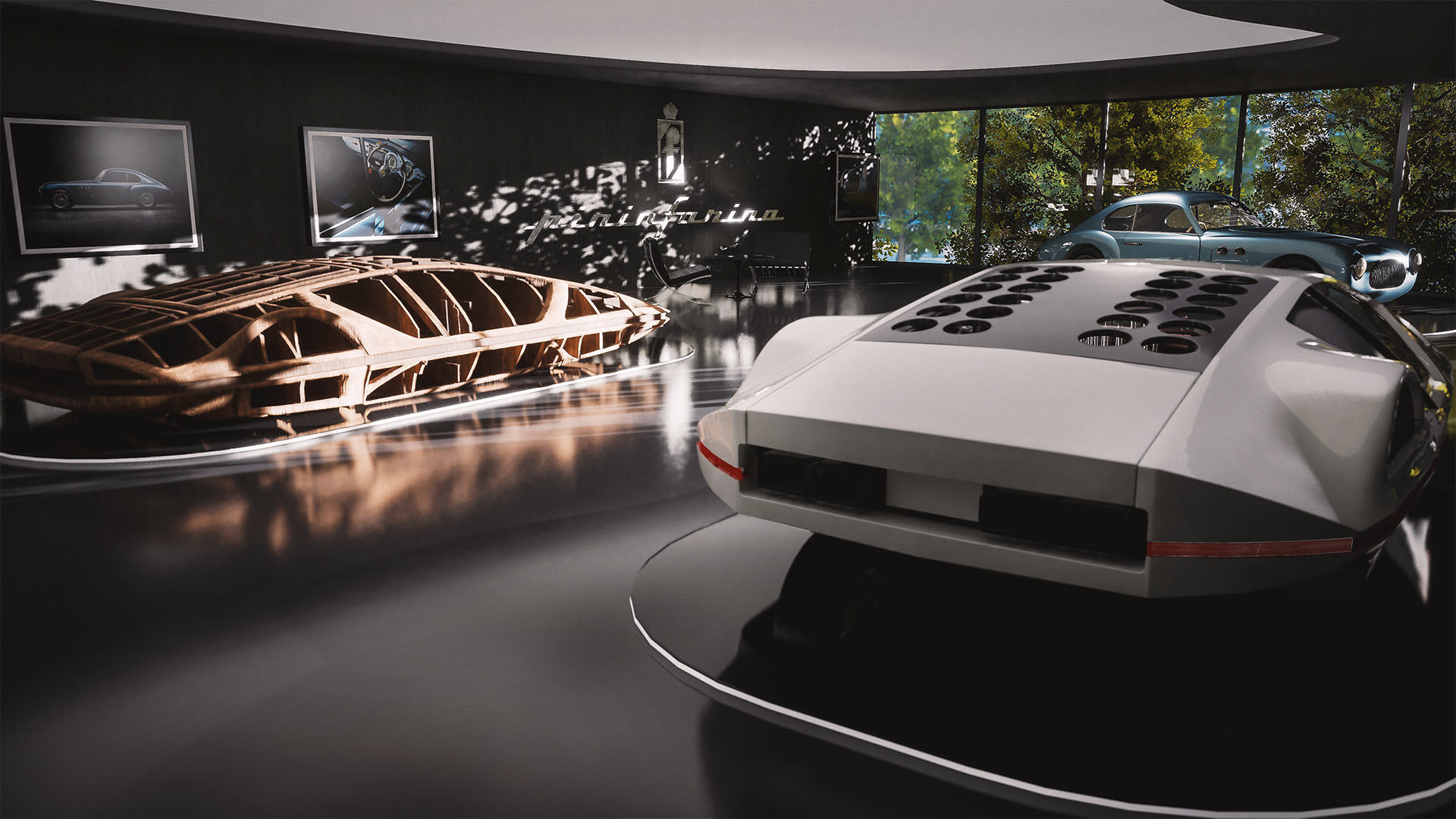
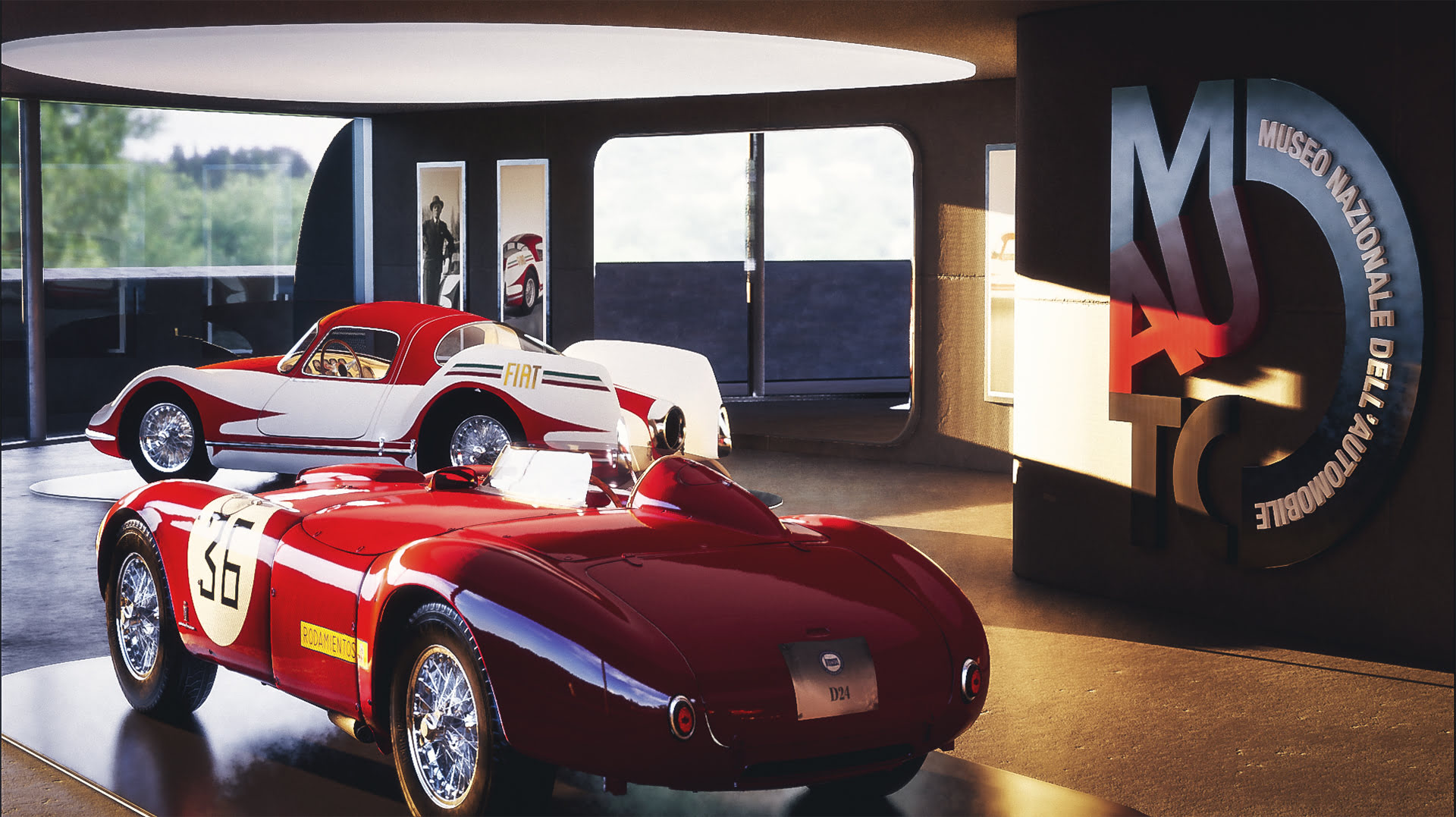
Among the great names in automotive design, Pininfarina stands out for its elegant, timeless lines — where beauty and function meet in perfect balance. In Roarington’s virtual showroom, this legacy takes on a new dimension: the cars are not simply displayed, but explored in full three-dimensional detail, allowing their design to be experienced in a more authentic way.
Each model is created through meticulous scanning that captures surfaces, proportions, and fine details with exceptional accuracy, resulting in true digital twins. From the Cisitalia 202 — often considered one of the most beautiful cars ever made and celebrated at New York’s MoMA — to the visionary 1970 Pininfarina Modulo concept, every vehicle represents a key milestone in the brand’s evolution. Inside the digital environment, users can move freely around the cars, open doors and hoods, examine the interiors, and appreciate the harmony of their shapes.

This kind of interaction — impossible in a traditional exhibition — reveals the essence of Pininfarina’s philosophy: purity of form, a constant dialogue with aerodynamics, obsessive attention to proportion, and the way light flows across each surface. The most striking moment comes when you step into the cockpit: suddenly you are inside the space imagined by the designer, surrounded by the materials, instruments, and atmosphere that define the car’s identity. It becomes a new way to understand not only how a car is built, but why every design choice was made.
In Roarington, Italian design is no longer just observed — it can be explored, understood, and experienced. A celebration of beauty and innovation that honors Pininfarina’s legacy in a truly modern form.