The Legacy of the Mille Miglia - Part 6: Training with Roarington's 1000 Miglia Digital Experience
13 December 2025 2 min read 4 images
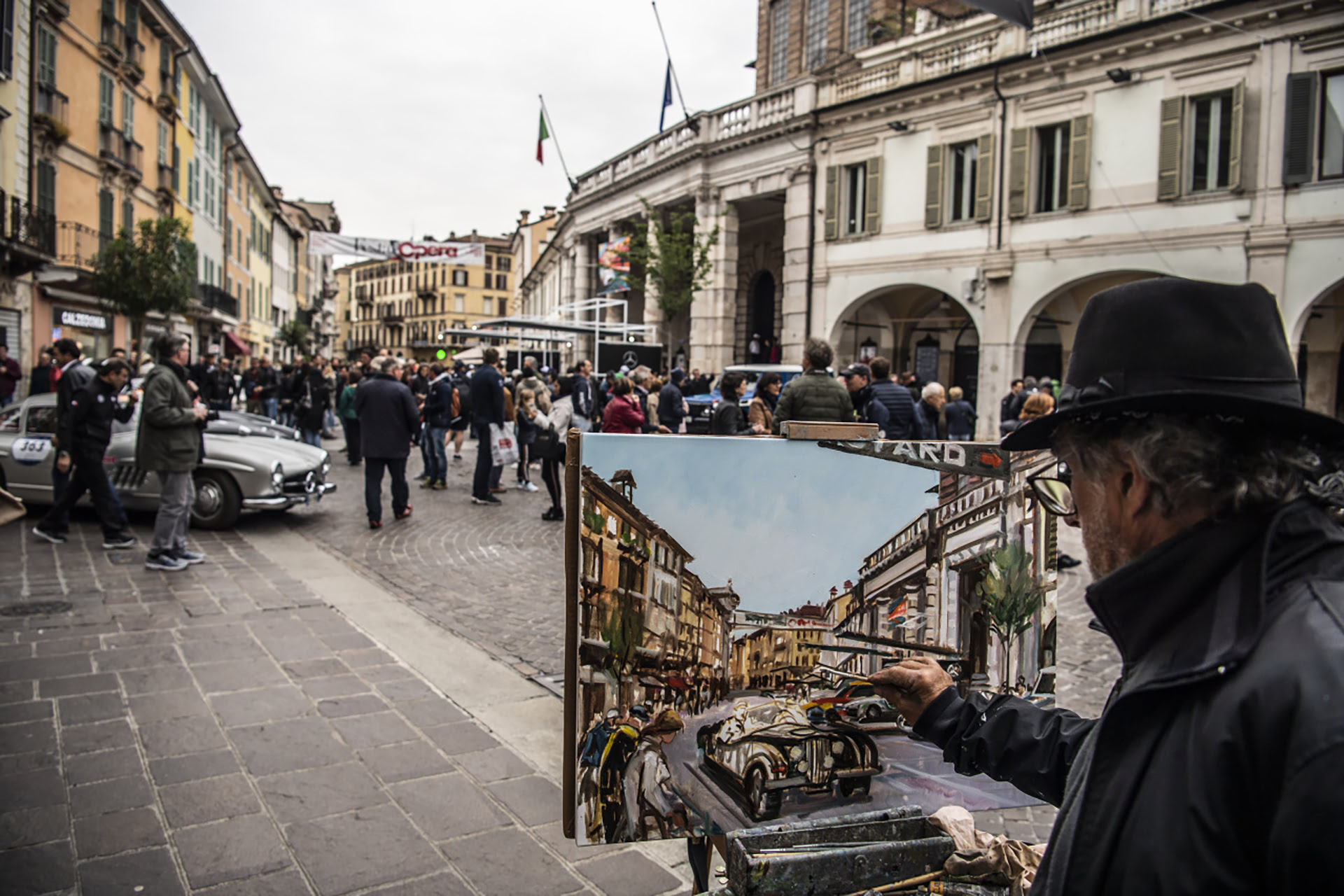
Photo credit: 1000 Miglia
That the Mille Miglia was never going to end was clear to all enthusiasts as early as 1957, when it was banned due to its dangers. What no one could have imagined was that its re-enactment would be even more successful than the original. Even though there are very strict requirements for admission, first and foremost the use of car models that actually raced in the race – not exactly the same cars, even though many participants are – registration requests far exceed the approximately 500 participants currently expected. The organization, which unlike in the past must divide the route over several days, as many as five, is now extremely efficient and managed by a company, 1000 Miglia srl, specifically created by the Automobile Club of Brescia. 1000 Miglia and not Mille Miglia as was the custom in the past, a rational choice for the many non-Italian participants and, above all, for the guarantee of the rights to a highly attractive and absolutely essential brand.

As is well known, being a regularity race, rankings are based on respecting the time limits at time checkpoints. These are challenging tests, often deceptive with passing lines, accurate to one-hundredth of a second, often positioned to be seen at the last moment, and, to complicate matters, almost always in sequence, to be reached at different average speeds. The adrenaline rush of these "tests" is combined with the thrill of driving on the magnificent Italian roads of the past, almost always with little traffic and therefore great fun.

Roarington made a significant contribution to the management of the timed special stages: never would a simulator have allowed one to practice passing the controls to the hundredth of a second. Roarington's simulators, both the Zagato and Pininfarina ones, have a dedicated program, truly faithful to this type of test, which can be used to have fun and challenge one another but also, and this is no small feat, to train for the real race. Safe passages are a guarantee of climbing the rankings.
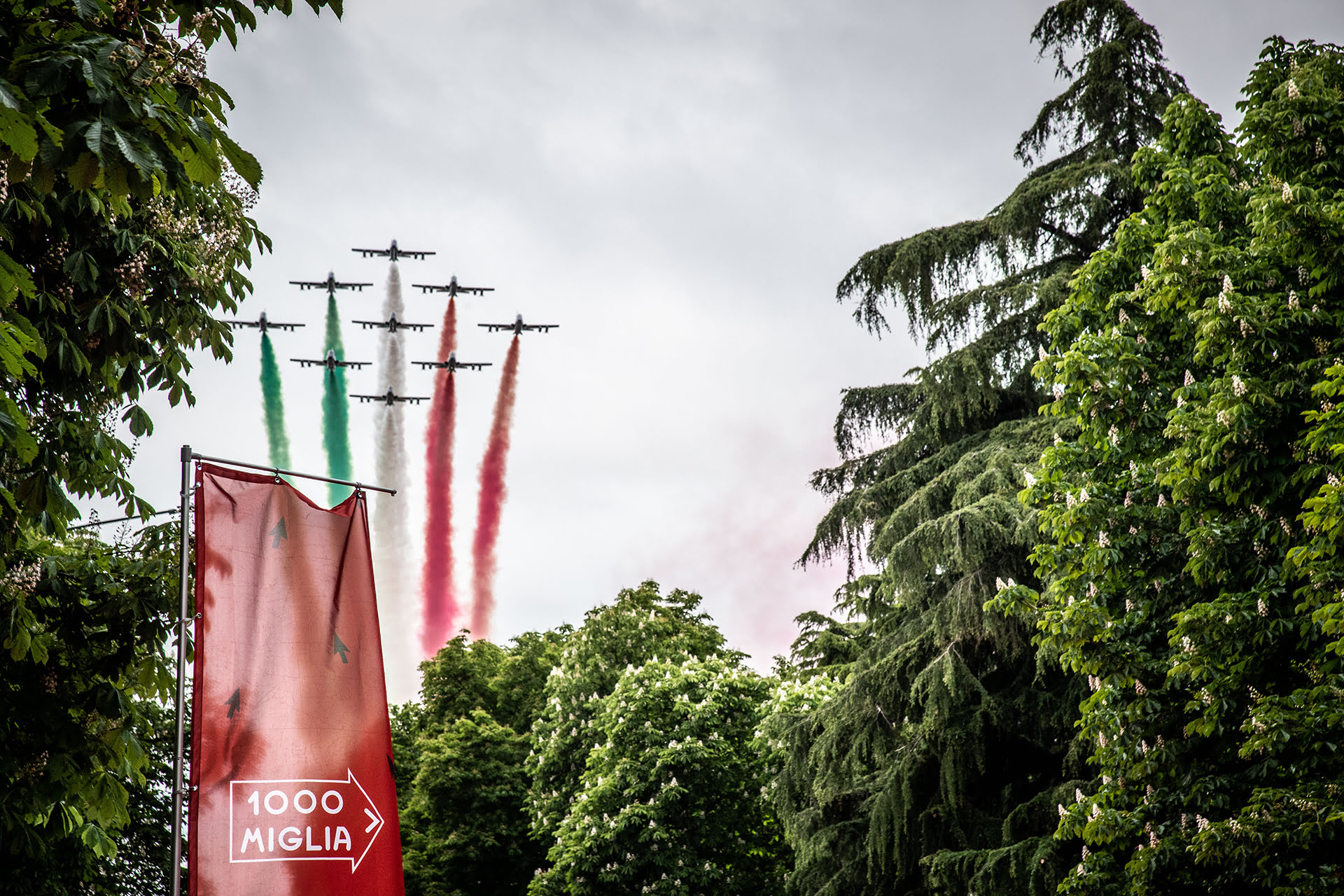
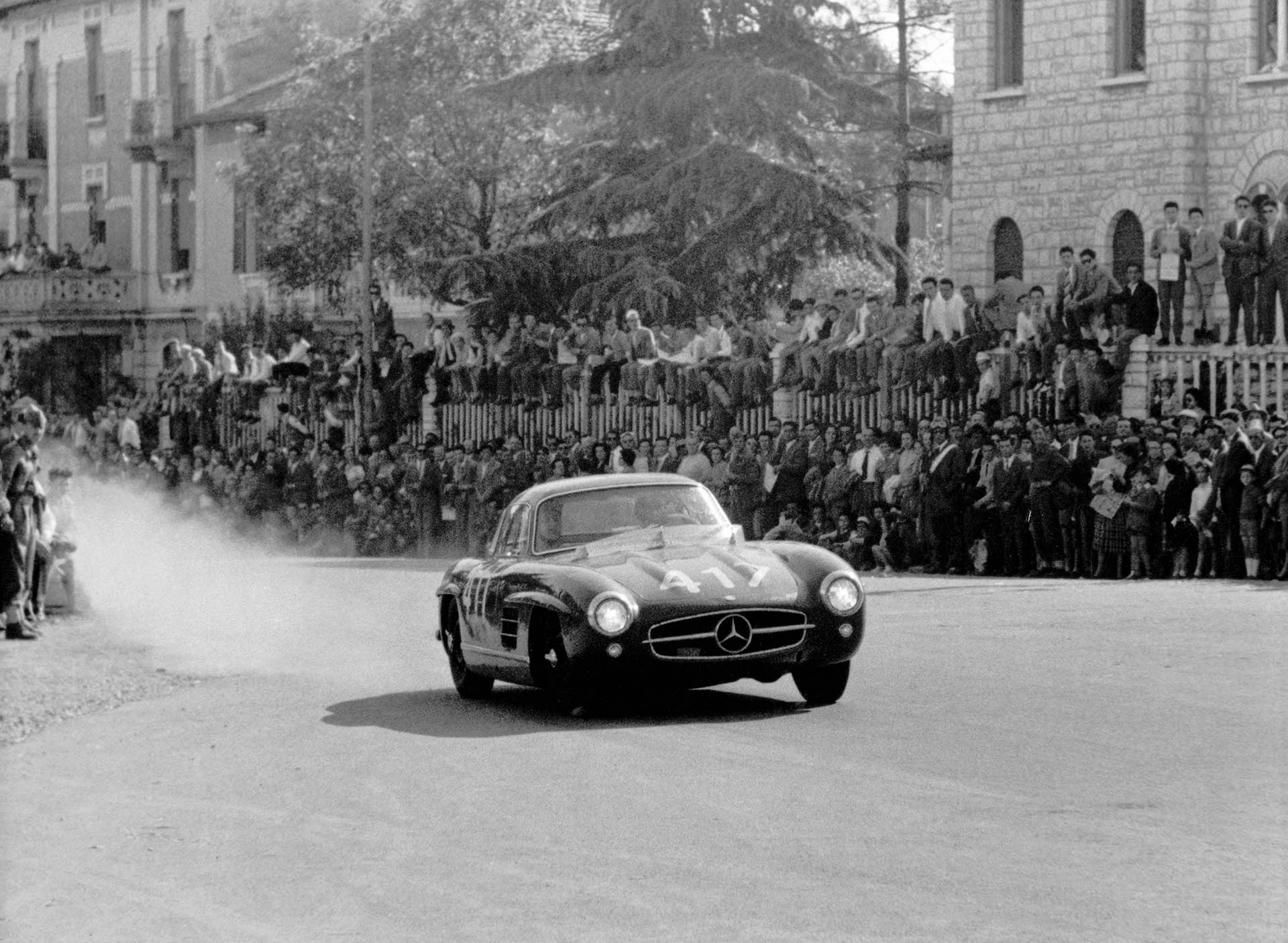
The magic of the 1000 Miglia is fundamentally linked to the spectators who follow it: not only in cities and villages do one find crowds of people joyfully applauding the cars that, even vintage ones, do not skimp on noise and performance. There's also the sense of how fathers and grandfathers take their children to see this extraordinary race to preserve its authentic legend.

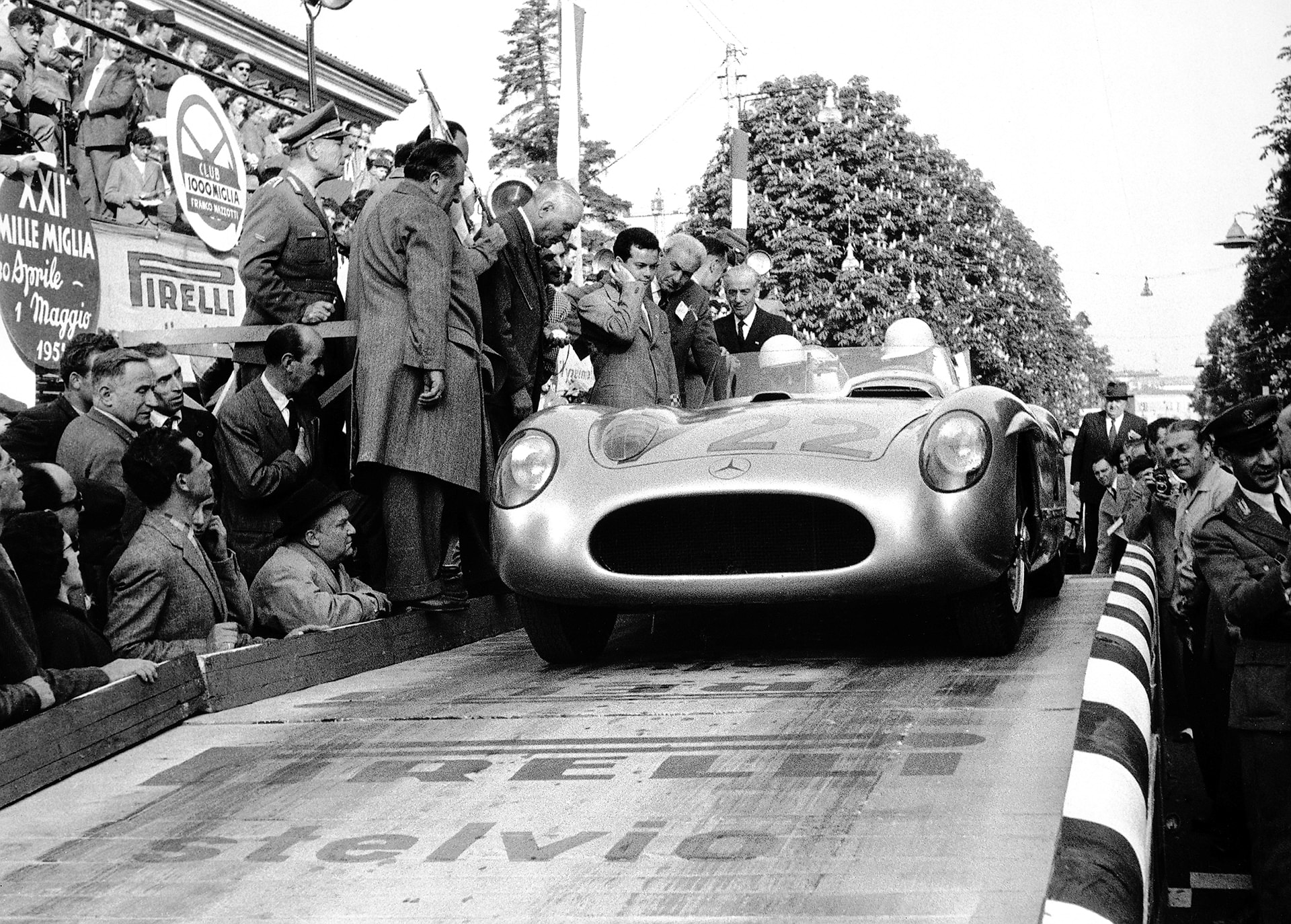
The entire ritual of the 1000 Miglia is magical for those who participate: the large pavilion for sporting and technical checks in Brescia, an exciting opportunity for competitors to meet on the eve of the adventure; the transfer to Piazza della Vittoria for the certification of the checks, a sacred site from the past where competitors had to stop to reach the start on Viale Venezia; the start from the famous platform where each competitor has always been portrayed, is an unparalleled experience. A ritual and an emotion that are repeated in Rome and Siena, in the inimitable Piazza del Campo, and at all the passage points, until the return to Brescia once again to the platform to the applause of the crowd. For all this, and so much more, the 1000 Miglia will always exist.