Nicola Bulgari and the American Automobile: A Collection of 300 Living Machines
25 July 2025 1 min read 3 images
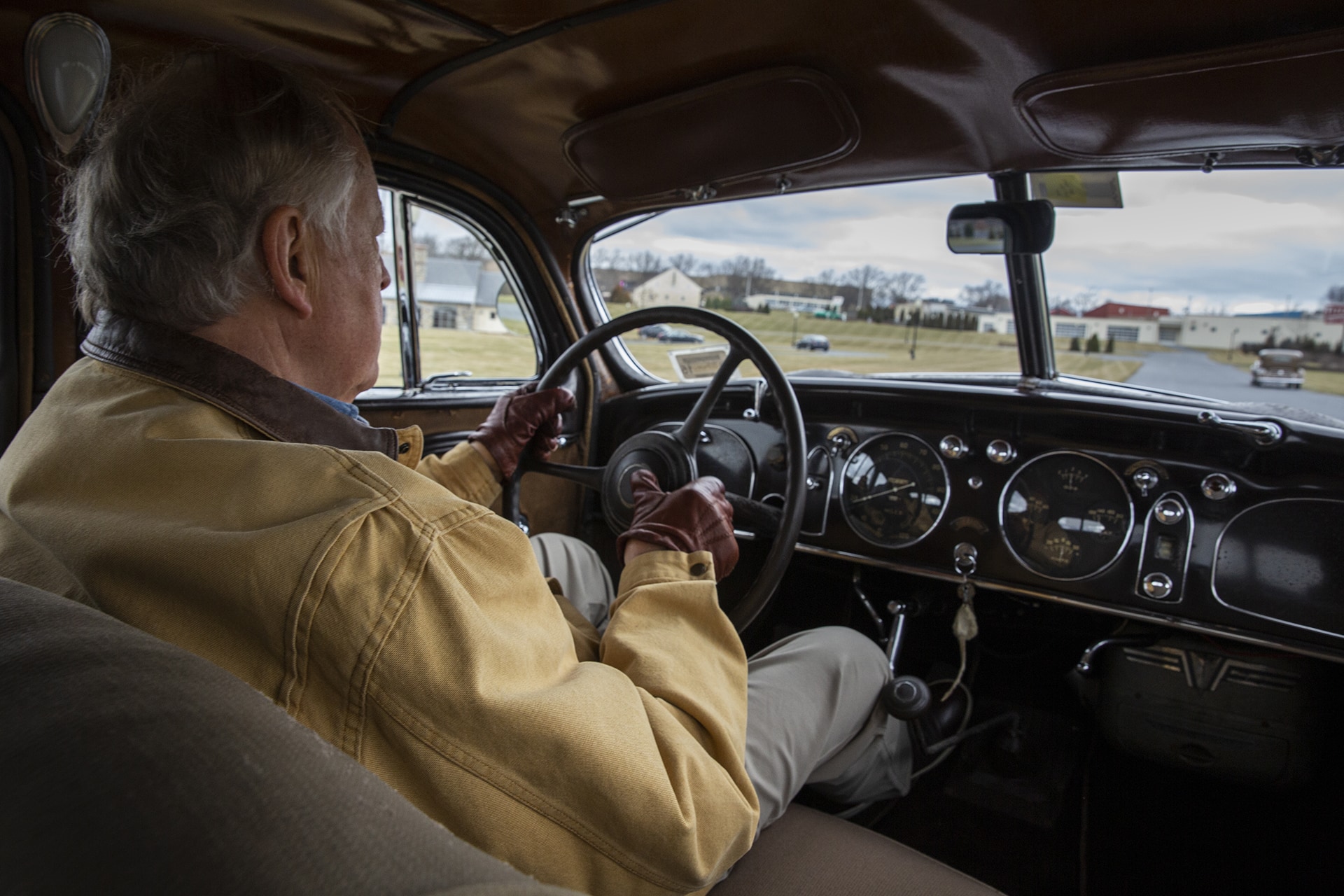
Photo credit: Renato Zacchia
In the Italy of the immediate postwar years – by then one of the most sought-after destinations for Americans – Rome, with its Via dei Condotti running from the Scalinata della Trinità dei Monti toward the palazzo of the Orsini princes, had once again become a place of temptation: the Dolce Vita, where fashion and jewellery were the fruit of a craftsmanship rooted in a cultured and magnificent history. Among the shops of dreams – and of serious purchases by wealthy tourists and international film stars – stood the Bulgari jewellery house, carrying a tradition of creative excellence that stretched back to its founding in the late nineteenth century. The three grandsons of the founder are very young, and all share a passion for automobiles. Gianni takes it far enough to enter competition with considerable success at the wheel of his Ferrari GTO; Nicola is captivated by American cars, which will become the defining passion of his life; while Paolo, though equally enthusiastic, remains focused on the family business, with a deep sensitivity for beauty.

In those years, Nicola Bulgari drinks in the great American automobiles with his eyes – machines that contrast strikingly with the tiny Italian cars filling the streets of Rome. It is precisely then that his interest in American cars takes on a considered, particular shape: he is not drawn to luxurious or exclusive models, but to the way America had developed the automobile by introducing technical and stylistic innovations even in everyday vehicles. What fascinates him is the automatic gearbox, the insight behind a low centre of gravity, the pursuit of quietness and comfort, and the introduction of electric windows and air conditioning. The same curiosity extends to their engines and the stylistic ambitions playing out in a rivalry between marques entirely unlike anything in Europe.

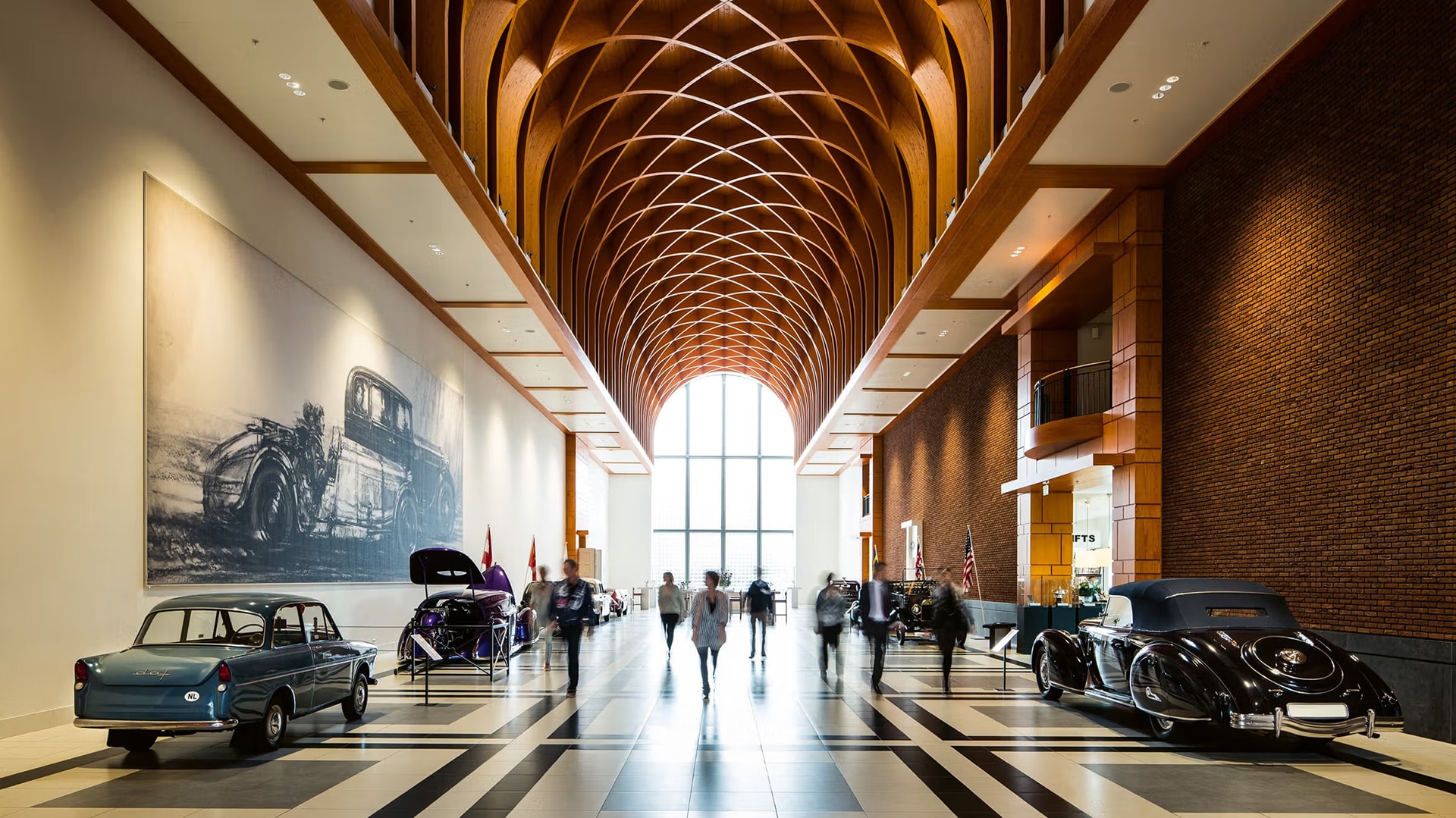
From that adolescent fascination, Nicola moves, over the years, toward a collecting practice devoted to preserving American models produced from the 1920s through to the 1950s. The collection numbers more than 300 cars – every one of them perfectly restored and in running order. It is a heritage that not even GM, Ford, and Chrysler managed to preserve for themselves, to the point that the Bulgari collection has become a valuable historical reference for those manufacturers as well. The collection's main hub is in Allentown, Pennsylvania, where restoration work and a training school for young people interested in the craft operate side by side. Two further parts of the collection are held in Rome and in Sarteano, among the Tuscan hills.
Among the recent acquisitions of "The NB Center for American Automotive Heritage" – the collection's full name – are the Vatican's cars: a series of models that over time served the representational needs of the papacy. Needless to say, these too are strictly American.