Cars and Art: César and the McLaren That Embodies His Compressions, a Protagonist at Le Mans
18 July 2026 2 min read 3 images
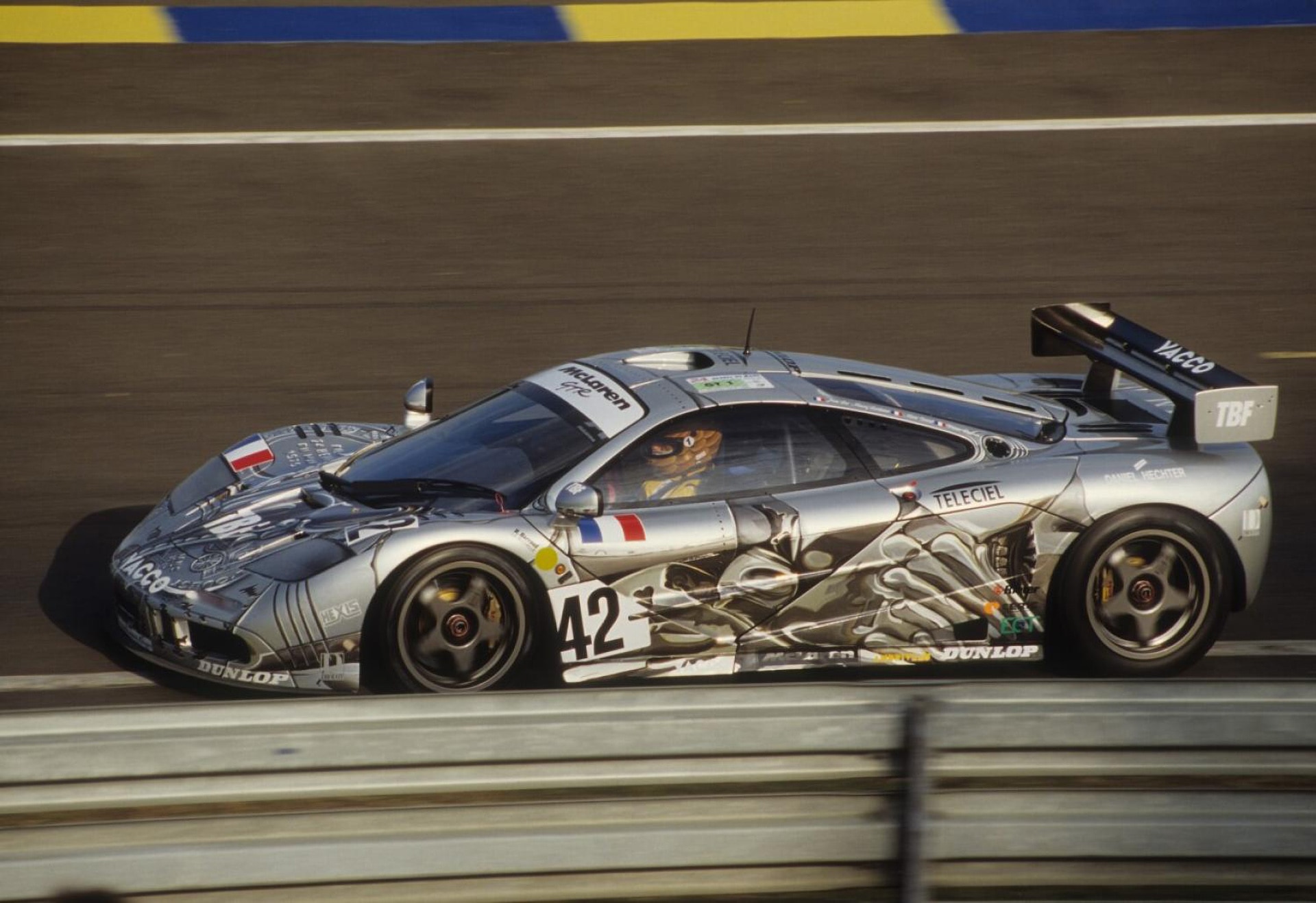
Photo credit: 24 Hours of Le Mans, Artvisions, Fondation César, JMB Classic, MoMa, Trajan
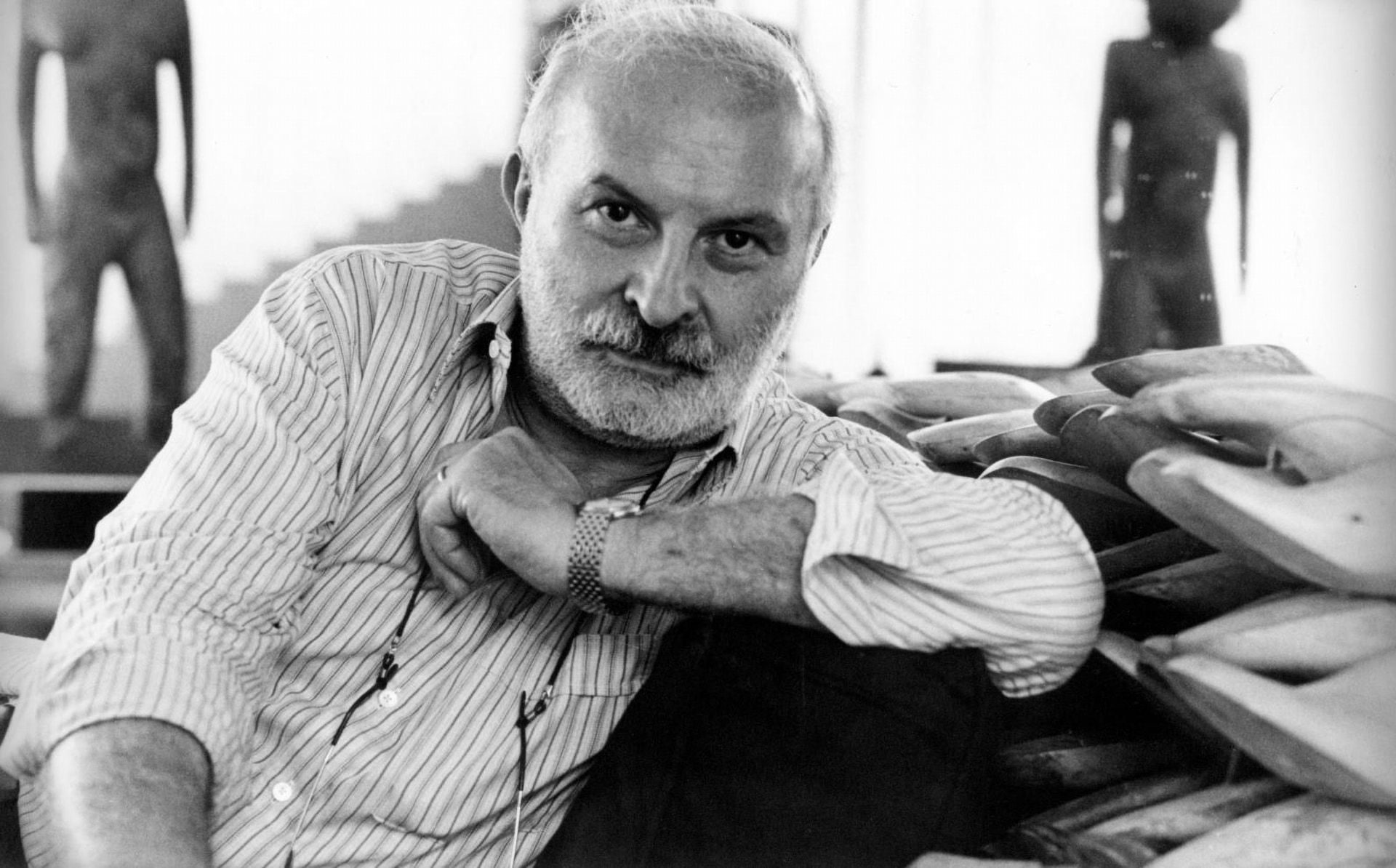
Why use canvas and brushes, carve marble, or cast bronze using the lost-wax technique, when magnificent sites already existed – places given over to everything that consumerism had turned into waste? Against a backdrop that Arman was also navigating, César Baldaccini – from that point his artistic name became, simply, Cesar – understood that art could draw on other materials and other instruments. Which ones? Scrap as material, and presses as tools.
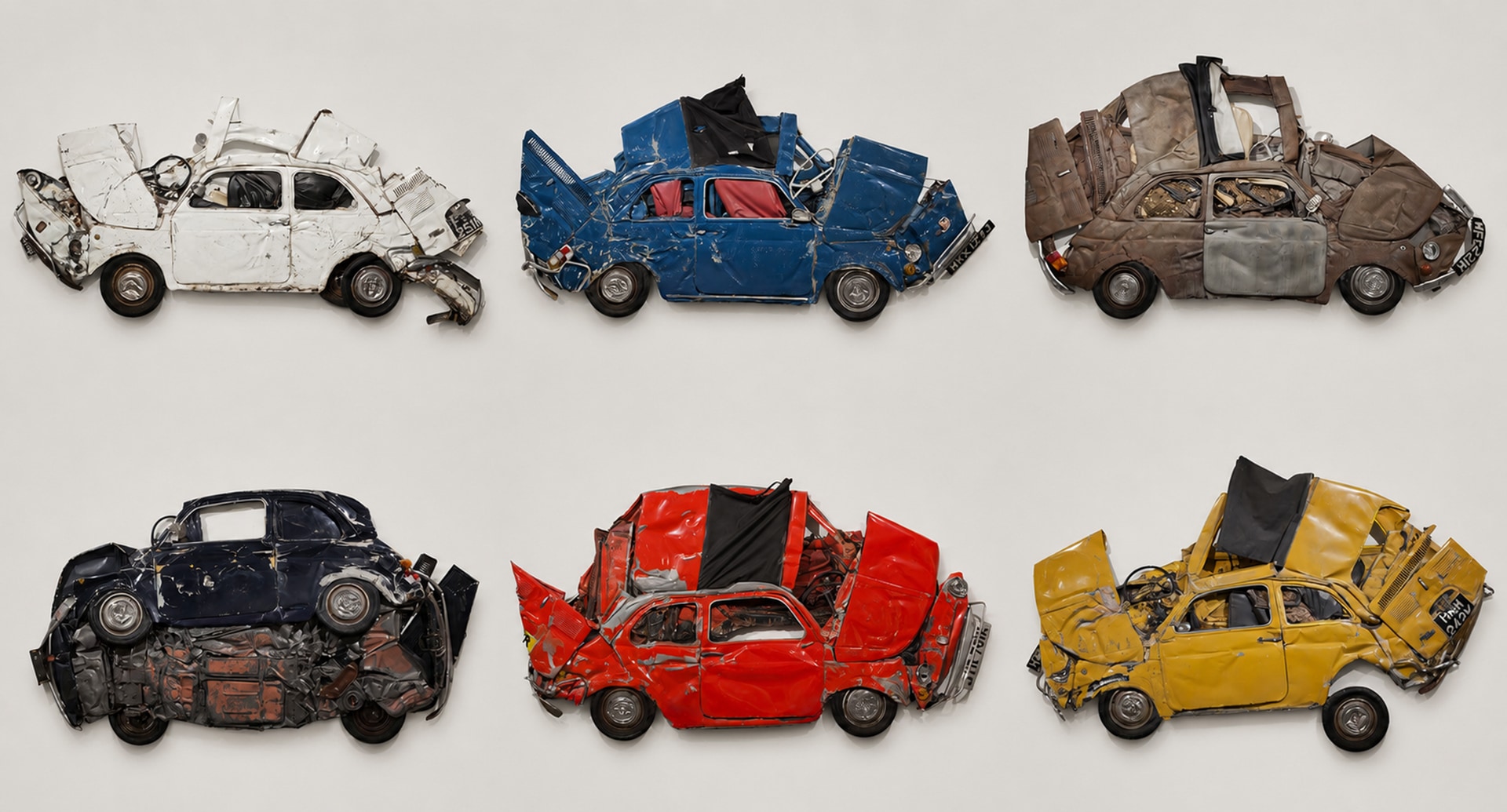
The path was swift. After a series of compositions that used metal to evoke the forms of everyday life, the idea of pressing and painting materials destined for demolition transformed his vision of the world: geometric blocks formed from recognisable parts of automobiles, and more, became objects ready to receive new paint and new colour, ready to live again.
It was 1960 when the "Compressions" were born – destined to become his artistic signature. Using enormous hydraulic presses normally employed to recycle scrap metal, the artist had entire cars compressed until they were reduced to compact blocks of steel, in which fragments of bodywork survived: coloured sheet metal, doors, wheels, and deformed mechanical parts. The gesture could appear violent, almost destructive, yet the result was surprisingly poetic. Each automobile lost its practical function and acquired a new identity, becoming an abstract sculpture capable of recounting the story of industrial society – embodying the dream of the unbridled postwar progress.

It is easy to think, today, that among those cars brutally crushed in their entirety – these were not years in which the separate recovery of homogeneous materials for recycling was common practice – there may well have been Hispano Suizas or Alfa Romeos that would now be the pride of any owner. Things were different then: the frenzy of the new condemned the old with a particular cruelty, and it is here that Cesar’s insight lies – the invitation to meditate on the headlong desire to erase what, even just a few years earlier, had been so deeply coveted. The "Compressions" entered the collections of major international museums and consecrated César as one of the central figures of Nouveau Réalisme.
Although the artist experimented with other techniques and other materials, automobiles always remained the most celebrated subject of his research. No other object could condense with the same force the relationship between technology, industry, design, and collective memory.

This closeness to the automobile led César toward a challenge that was conceptually identical yet technically entirely different: in 1995, Hervé Poulain – racing driver, collector, and originator of the celebrated BMW Art Cars project for cars destined for the 24 Hours of Le Mans – invited him to design the livery of the McLaren F1 GTR with which Poulain would take part, alongside Jean-Luc Maury-Laribière and Marc Sourd, in the 1995 French race. The F1 GTR thus became the "perfect canvas" for bringing the language of the "Compressions" onto the circuit. The graphic concept conceived by César was physically painted by the artist Filip Godet, who translated onto the bodywork the fractured forms, fragmented surfaces, and intense colours characteristic of Cesar's work.
McLaren F1 GTR number 42, chassis #05R, completed the 24 Hours of Le Mans, finishing thirteenth overall – an excellent result for a gran turismo running among prototypes. For more than thirty years, César had transformed stationary, abandoned, and silent automobiles into sculptures destined for museums. At Le Mans, by contrast, "his" automobile became a work of art that was perfectly alive, and in motion. One question remains unanswered: with what peace of mind could the three drivers have raced in a car depicted as destroyed and crushed?