Photo credit: Ferrari, M24 Museum, McLaren, Richard Mille
One rule for succeeding as an entrepreneur is to do things others do not. The great watchmakers have always been locked in fierce competition built on technical mastery, aesthetics, and the preciousness of their creations. Entering that highly regarded and well-established world with similar offerings seemed illogical to the young Frenchman Richard Mille – rich in industry experience and a passionate sportsman. There were under-explored areas in watchmaking: weight, resistance to violent shock, innovative materials considered too rare or costly to use. They deserved attention. It was 2001 when Richard Mille did not hesitate to plunge into this world, convinced that uniqueness and the use of materials such as grade 5 titanium, Carbon TPT®, and Quartz TPT® would not stand in the way of a decidedly high final price.
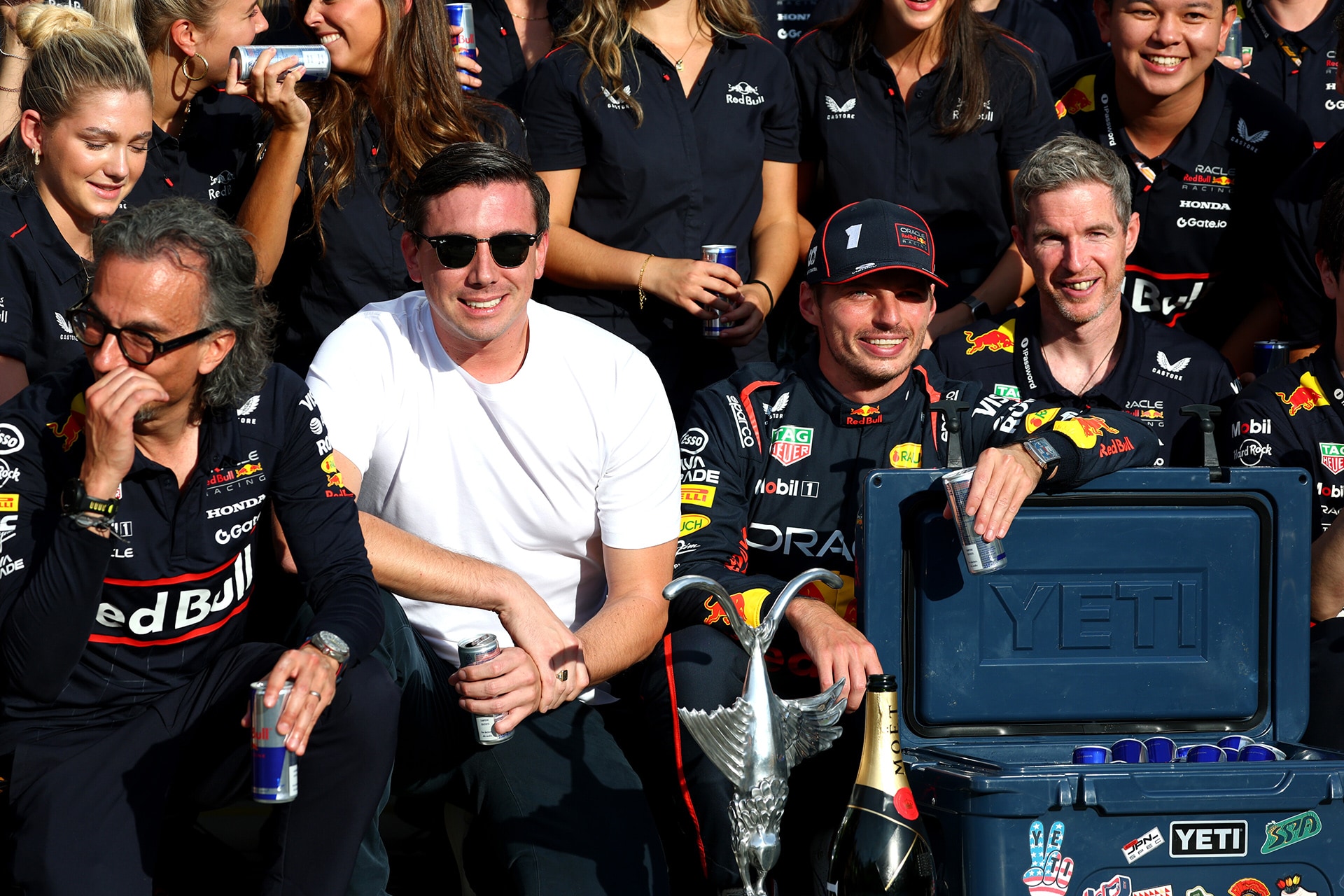
The example of motorsport – he is today a partner of Scuderia Ferrari and linked to McLaren following several successful collaborations – showed clearly that certain cars and certain names can be beyond price. So, before deciding what his watches should look like, he thought about what qualities they would need to be compared to the jewels of motor racing, the competition single-seater, and even aerospace research. That would be the goal. It meant that even the most complicated and coveted mechanisms would first need to be extremely light, extremely robust, and not necessarily conventional in form – as well as perfect.
It was what the market wanted, and the name Richard Mille, the same name chosen for his watches – as Enzo Ferrari and Bruce McLaren had done, along with many others – quickly became famous, associated from the very beginning with the great protagonists of many sports: tennis, sailing, motorsport, and even cycling.
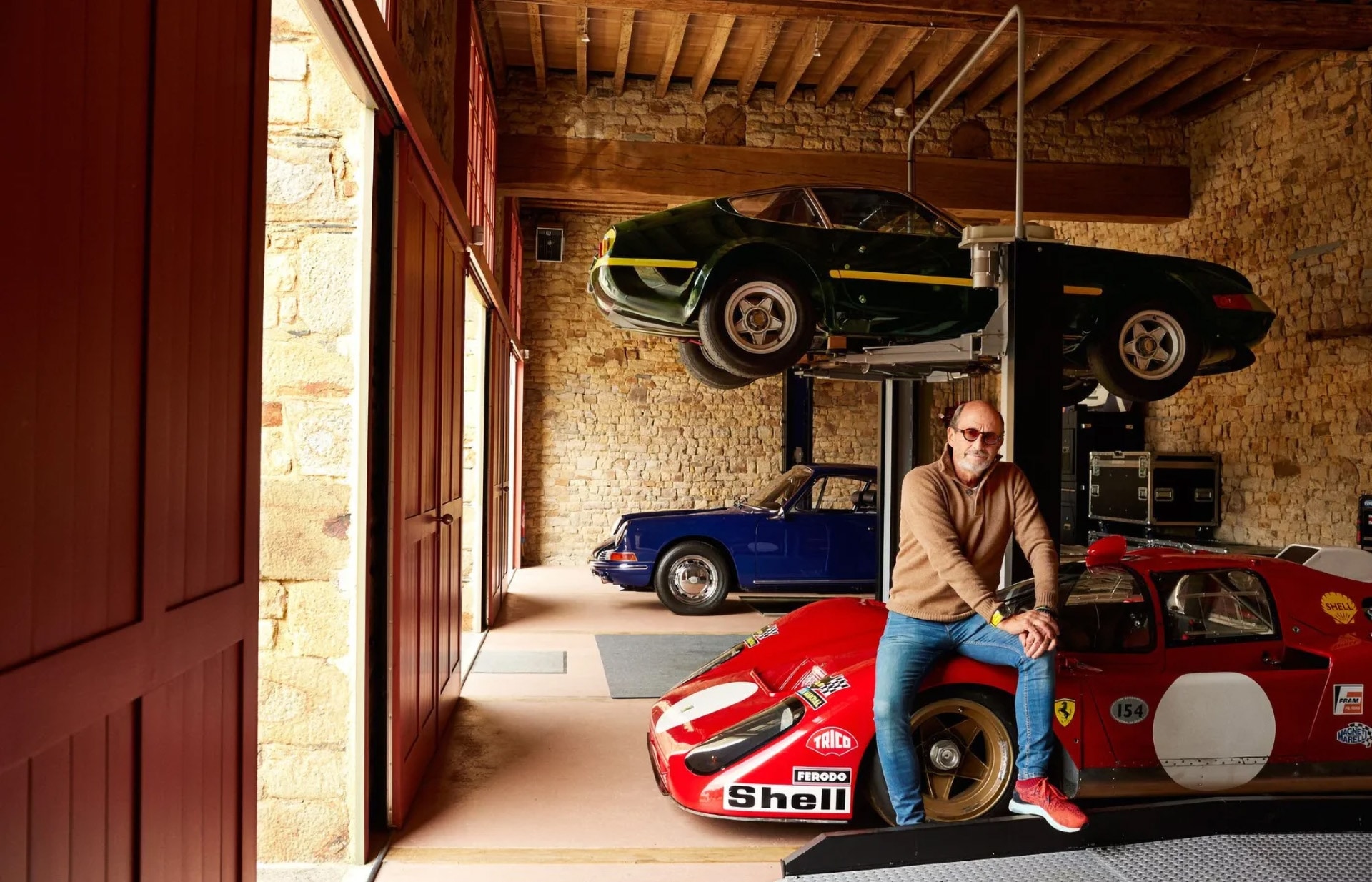
The bond with motorsport belongs, then, to the very nature of the brand, and reflects a personal passion Richard Mille has nurtured since childhood – one that over the decades has grown into a collection devoted above all to Formula 1 single-seaters built between the 1960s and 1980s. A period he himself regards as the most creative in the category’s history, when designers such as Colin Chapman, Mauro Forghieri, and, a little later, Gordon Murray were continually redefining the very concept of the single-seater.
Among the cars that best illustrate the depth of the collection is the Maserati 250F, one of the most representative single-seaters of the 1950s, alongside the McLaren M2B of 1966 – the first Formula 1 car built by the team founded by Bruce McLaren – and the M14A in which the New Zealand driver contested his final Grand Prix. The collection also includes the Ferrari 500 chassis 005, central to the two World Championships won by Alberto Ascari in 1952 and 1953, the Ferrari 312T4 World Champion with Jody Scheckter, and cars driven by genuine legends such as Jim Clark, Jackie Stewart, and Ayrton Senna. Richard Mille is fond of noting that each one represents an unrepeatable work, born in a period when every constructor interpreted engineering and aerodynamics in its own way, producing single-seaters profoundly different from one another and still capable today of telling the story of motorsport’s evolution.
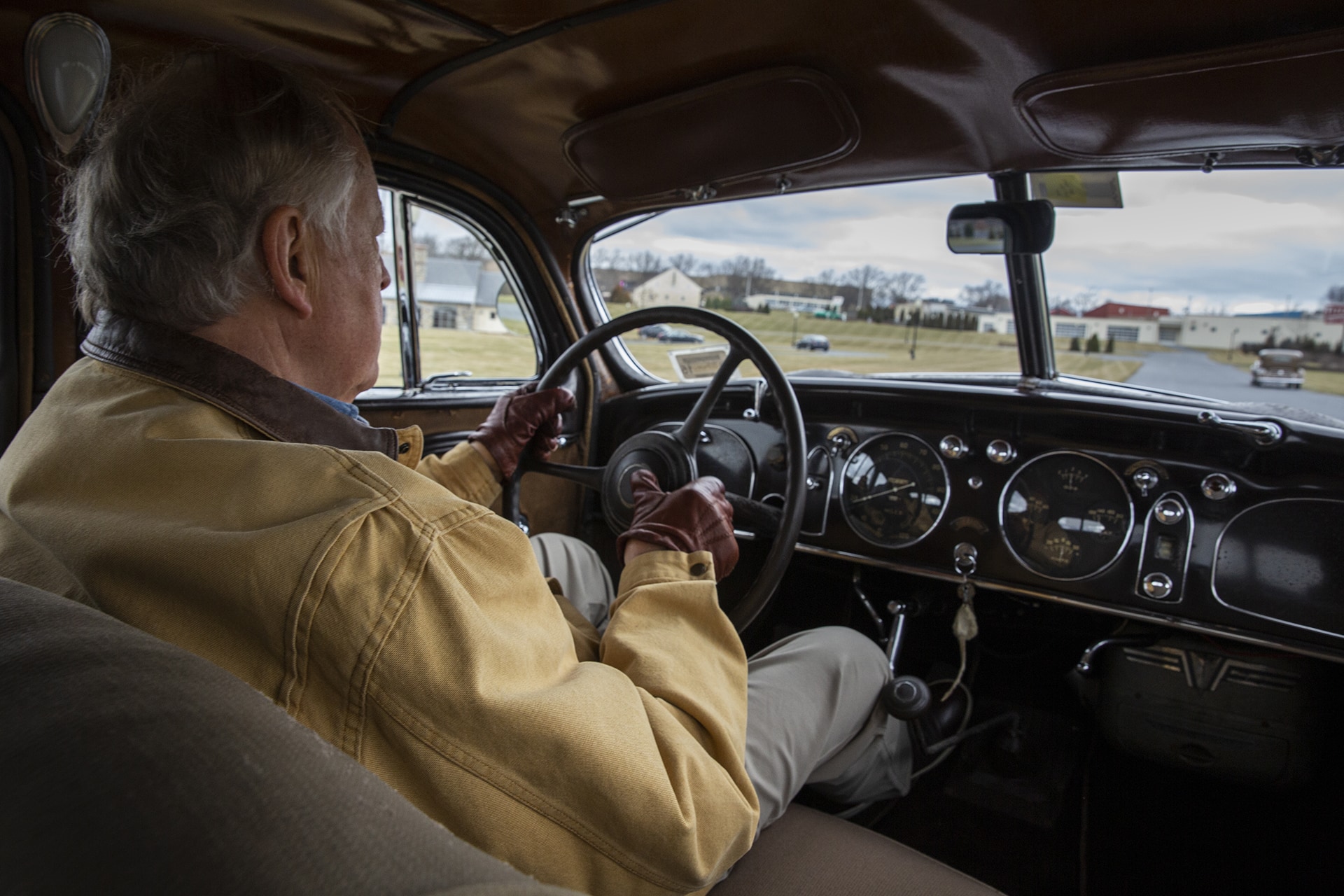
The cars gathered by Richard Mille – not only Formula 1 machines, but also magnificent sports cars – continue to live on circuits and at international historic motorsport events. All are kept in perfect running order and return to the track on a regular basis. The Richard Mille brand is actively present in motorsport, supporting drivers, constructors, and teams, with a commitment that treats motorsport as an environment worth investing in. This vision was recently confirmed by the M24 – Motorsport Museum project in Le Mans, born from the collaboration between Richard Mille and the Automobile Club de l’Ouest and inaugurated in May 2026. The museum brings together the ACO’s historic collection with part of Richard Mille’s personal collection, extending the narrative well beyond the 24 Heures du Mans alone and embracing Formula 1, rally, IndyCar, and Can-Am.
Richard Mille’s personal contribution has thus transformed a private collection into a heritage accessible to the public.