The Hybrid Era: From KERS to the New Electrified Formula 1
25 April 2026 1 min read 5 images
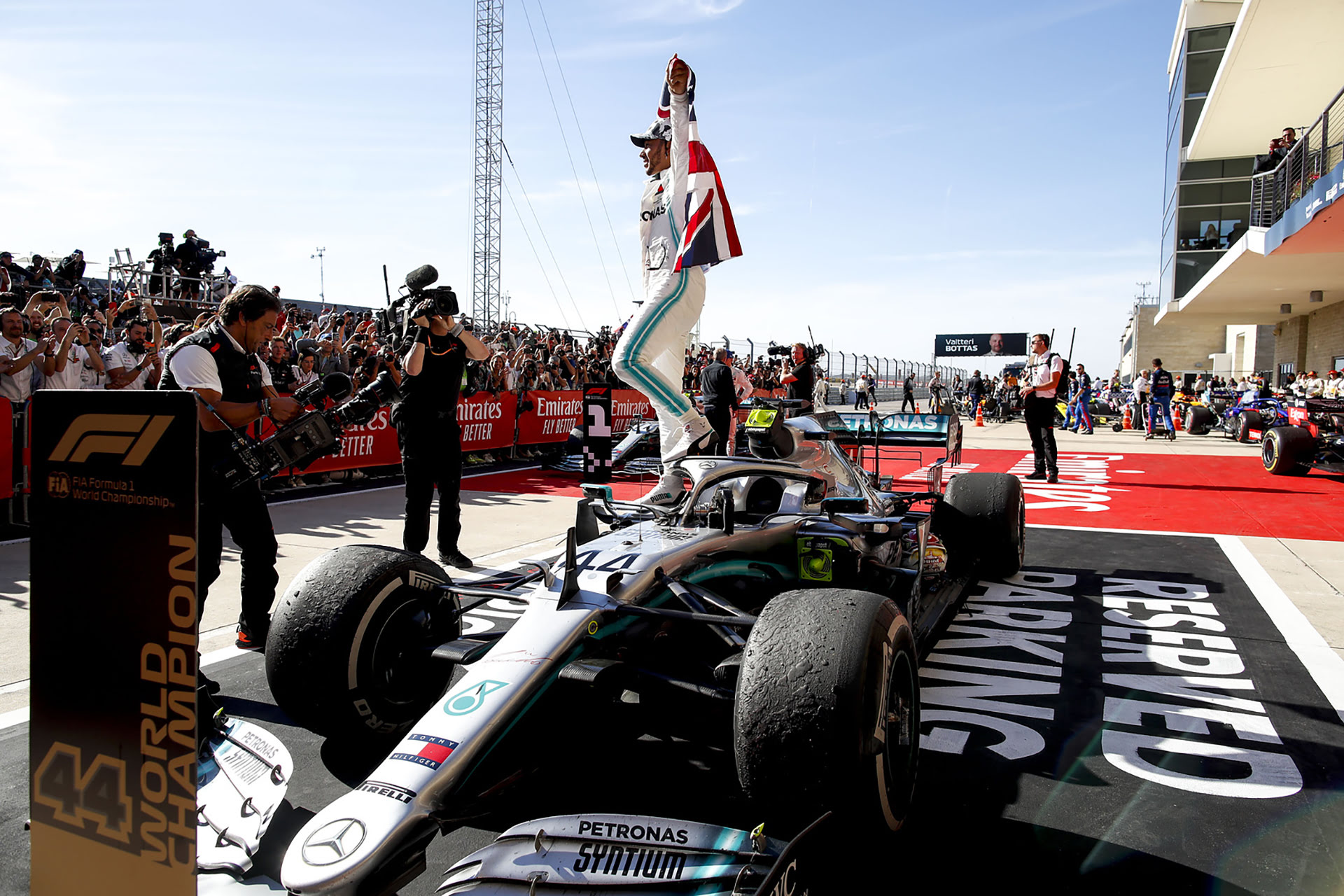
Photo credit: McLaren, Mercedes-Benz, Red Bull
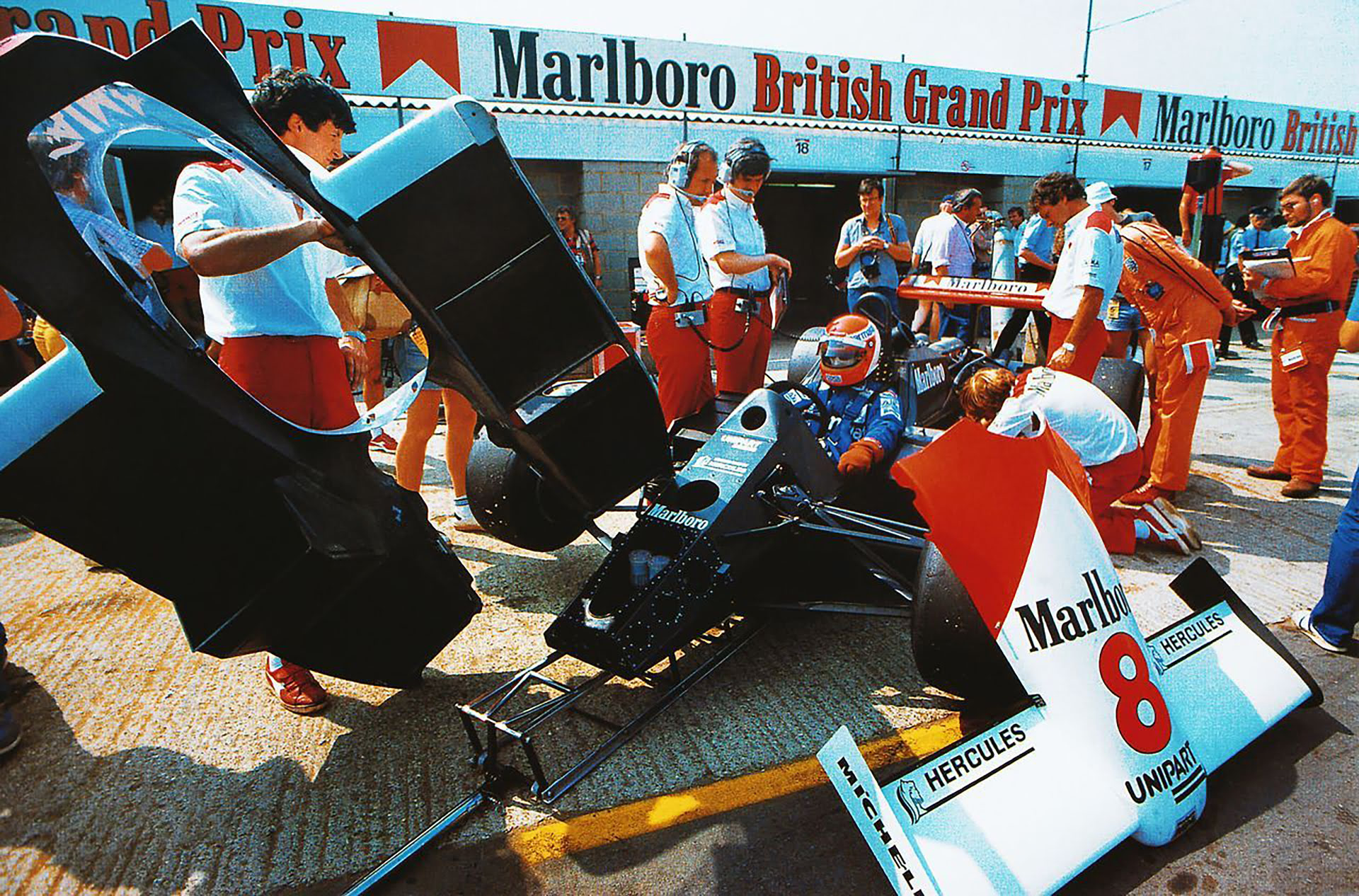
2009 marked the beginning of a new technical transition in Formula 1, with the aim of capitalizing on the opportunities presented by the ability to provide additional electric power to the traditional internal combustion engine. The principle was as simple as it was innovative: to recover the kinetic energy generated by the car during braking—which until then had been lost as heat—and convert it into electrical energy. The first experiment mandated by the regulations was the so-called KERS (Kinetic Energy Recovery System), which stored power in a battery to be made available to the driver, lap after lap.

Not all teams adopted the system immediately, partly due to concerns about weight, cost, and reliability. KERS was not mandatory, and in fact, the 2009 season saw the World Championship won by Brawn GP—born from the ashes of Honda F1—which did not use it. After the first season, however, KERS quickly became standard. All manufacturers adopted it, and between 2010 and 2013, the team that made the best use of it was Red Bull Racing, which, with Sebastian Vettel and the Renault engine, won four consecutive World Championships.

A major new step came in 2014 with regulations mandating the use of 1.6-liter V6 turbo-hybrid engines. Here, KERS evolved into the MGU-K, an integral part of a much more complex energy system. Added to this was a second key unit: the MGU-H, connected to the turbocharger’s turbine, which recovers energy from the exhaust gases. Thus, the engine’s horsepower is supplemented by that from two different sources. Energy is no longer used solely “on demand” by the driver, but is largely distributed automatically to optimize acceleration, efficiency, and overall performance. The result is a power unit in which thermal and electrical systems work as a single system, profoundly transforming the very concept of performance.

The team that best embodies this new era is the Mercedes-AMG Petronas Formula One Team. Arriving fully prepared for the hybrid revolution, it built a massive technical advantage right from the initial tests. Between 2014 and 2020, the team secured seven consecutive Drivers’ Championships, split between Lewis Hamilton (six) and Nico Rosberg (one), accompanied by indisputable technical superiority. That dominance was broken, however, by the introduction in 2022 of regulations mandating ground-effect cars. Max Verstappen and Red Bull, with the invaluable support of Honda, dominated this evolutionary phase, which took a new, complex turn in 2026.

The new regulations completely reshape the energy balance by introducing zero-emission cars. The rule mandates that 50% of the power (around 1,000 horsepower) be produced by an internal combustion engine fueled by eFuel or BioFuel, and the remaining 50% by electricity generated by the car itself. The engine remains a 1.6-liter V6 turbo, but it no longer uses the MGU-H, while the electric component linked to the MGU-K and the battery has been upgraded.
The attempt to give such a significant role to the electric system, combined with the limitations of a battery that—due to weight constraints—is too small and requires driving techniques capable of recharging it, is still under scrutiny. In particular, an adaptation of the rules of use is underway, promising improvements in both performance and safety.
We look forward to 2031, when new environmentally friendly regulations will arrive thanks to new bio-based or hydrogen fuels. Don’t worry, Formula 1 never stops!

Register to unlock this article
Signing up is free and gives you access to hundreds of articles and additional benefits. See what’s included in your free membership. See what's included in your free membership.
Already have an account? Log In