American Roadsters: Power and Spectacle
06 September 2025 5 min read 9 images
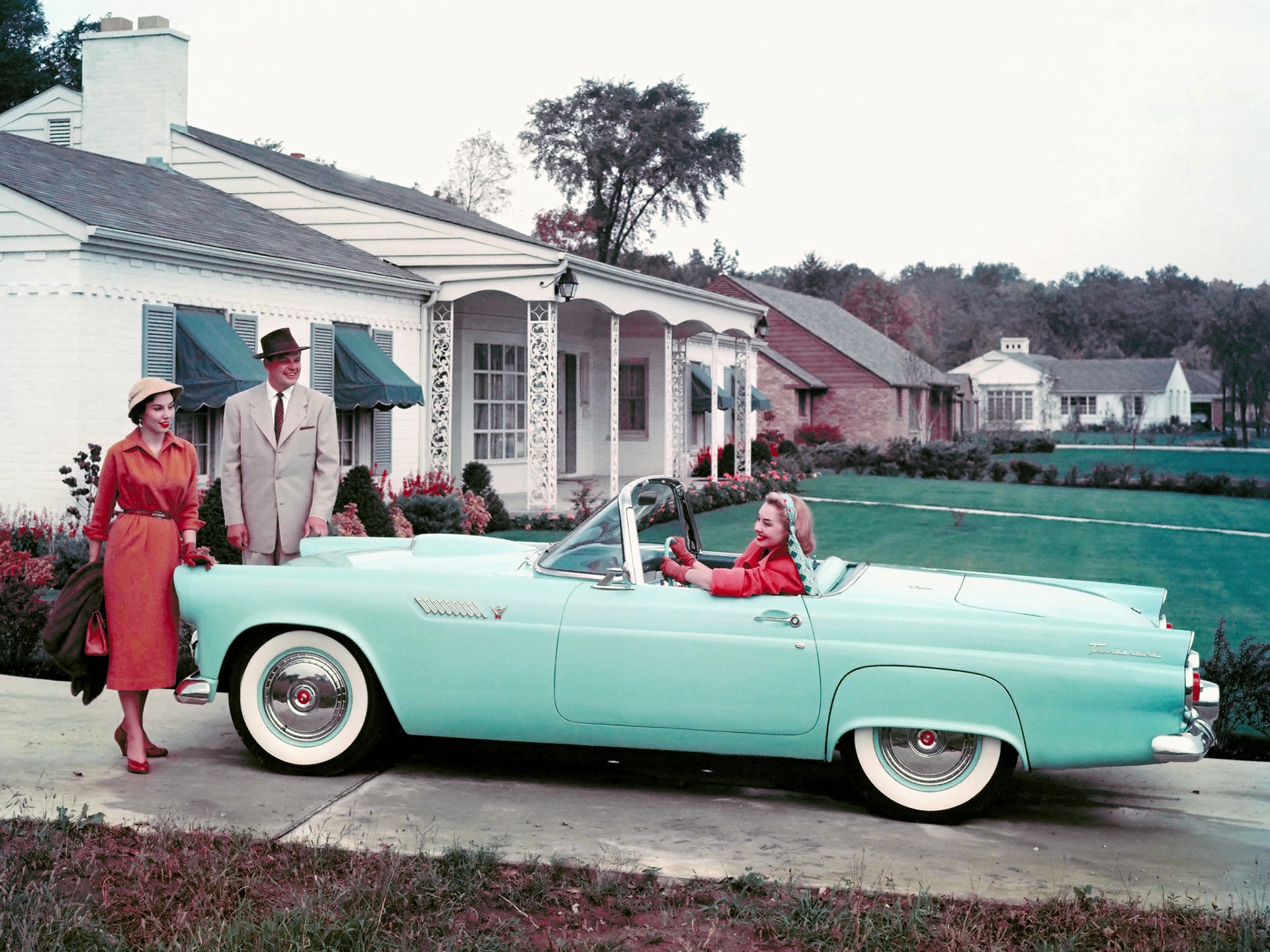
Photo credit: Cadillac, Dodge, Ford, Michael Furman, RM Sotheby’s
In America the roadster has always carried a different meaning. Even before the lightweight European sports cars arrived, Mercer, Stutz, Duesenberg, and Auburn had transformed the open body into a symbol of performance, prestige, and prosperity, creating cars born from competition but destined for the road.
In the postwar years this philosophy became still more distinctly American: generous proportions, large engines, and uncompromising character. Corvette and Thunderbird gave shape to the American dream, the Cobra married a light English body to the force of a V8, while Cadillac and Dodge took opposite paths – from the elegance of Pininfarina, perhaps not American enough, to the brutality of the Viper.
1911 – Mercer Raceabout
Born in 1911 with a strong vocation for competition, the Mercer Raceabout used a sophisticated four-cylinder engine and extensive aluminium construction to keep weight in check. Capable of approaching 100 miles per hour, it became a defining symbol of American sporting ambition.

1911 – Stutz Bearcat
A direct rival to the Mercer, the Stutz was born in Indianapolis with equally declared sporting intentions and quickly built its reputation in competition. Notable is the small windscreen mounted to the steering wheel – a solution it shared with its great adversary.

1932 – Duesenberg Model J
Elegant, imposing, and extraordinarily powerful, the Model J represented one of the high-water marks of the American automobile before the war. In supercharged form it produced around 320 horsepower – an exceptional figure for the era, and entirely consistent with the ambitions of the marque.

1935 – Auburn 851 Speedster
The Auburn Speedster transformed substantial proportions and potent mechanicals into one of the most captivating American sports cars of the Thirties. Offered in several states of tune and frequently personalised for the customer, it united luxury and performance without concealing either.

1953 – Chevrolet Corvette
Presented in 1953, the first Corvette laid the foundations for a story that would endure across generations, with a fibreglass body and an immediately recognisable presence. In the years that followed it gained greater character and power, becoming the definitive American sports car.

1955 – Ford Thunderbird
Born as an elegant two-seater, the Thunderbird interpreted open-air motoring in a more comfortable and relaxed manner than the Corvette. Curious solutions were not lacking – among them the Bird’s Nest Rumble Seat, which added two supplementary places within the open rear compartment.

1962 – Shelby Cobra
Carroll Shelby took the lightweight English AC Ace, widened the wheel arches, and above all gave it the power of a large American V8. The result was the Cobra: brutal and extraordinarily light, capable of holding its own in the World Sportscar Championship and of becoming one of the most legendary sports cars ever built.

1987 – Cadillac Allanté
Cadillac entrusted Pininfarina with the design and construction of the Allanté‘s bodywork, which was then transported from Italy to the United States for final assembly. An ambitious and refined project, though one burdened by high logistical costs that ultimately made it a limited and commercially modest undertaking.

1992 – Dodge Viper RT/10
Muscular, aggressive, and deliberately difficult to tame, the Viper returned the American roadster to its most extreme expression. The formidable V10 also carried an Italian contribution: Lamborghini, then under Chrysler’s control, participated in the development of the engine that defined the car’s character.