Cars
The History of Colors in Racing: The Arrival of Sponsors in 1968
In 1968, Formula 1 teams began changing their colors as sponsors like Gold Leaf and Yardley entered the sport after the FIA lifted restrictions on national colors. Ferrari, however, maintained its iconic red despite pressure.
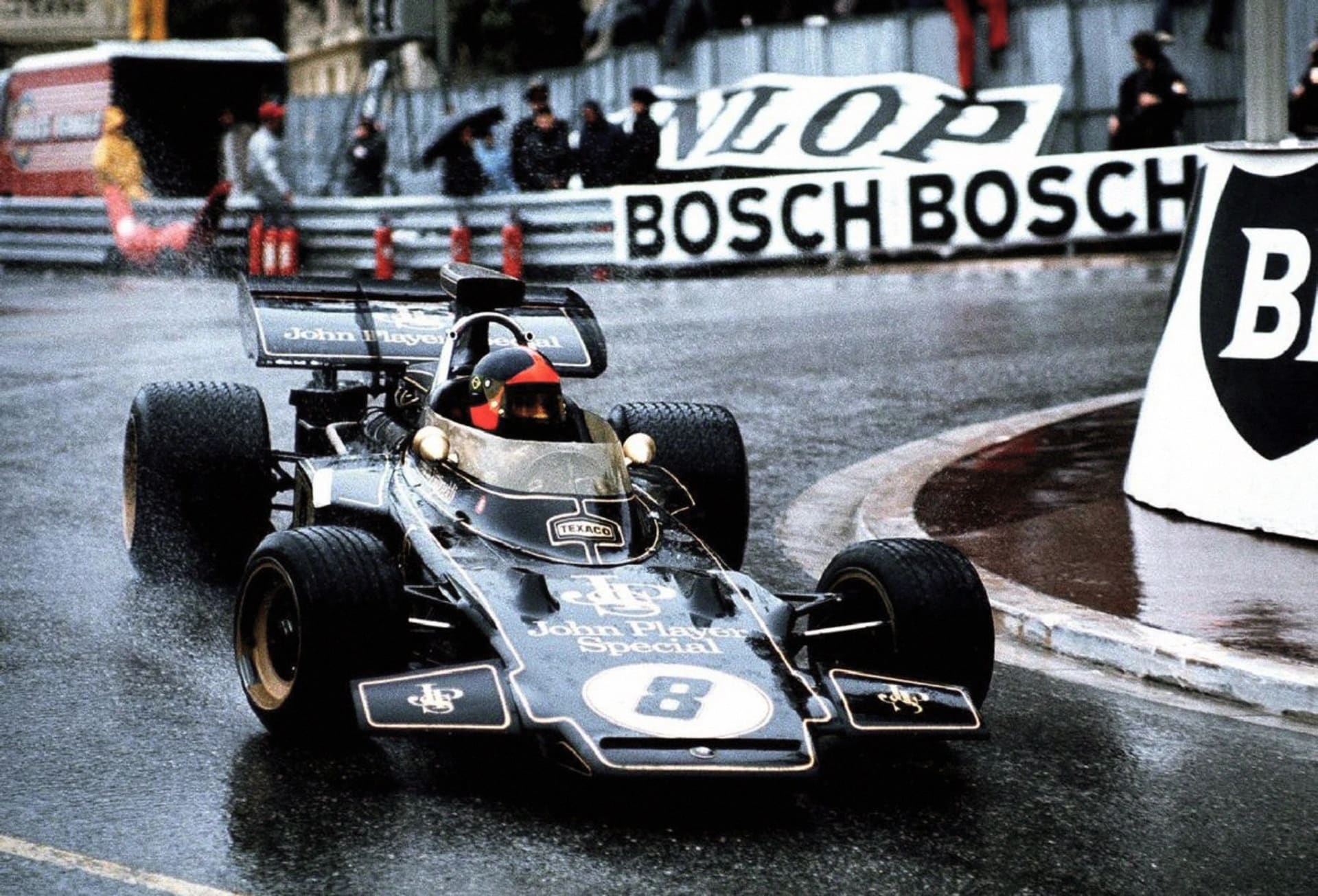
In the spring of 1968, the unveiling of Formula 1 cars for the upcoming European season caused a huge surprise. Not due to stunning technical innovations, but due to the car liveries of two famous British teams, each known for their distinctive shades of green: a dark green for Lotus, accented by a yellow stripe and matching wheel rims, and a lighter green for BRM.
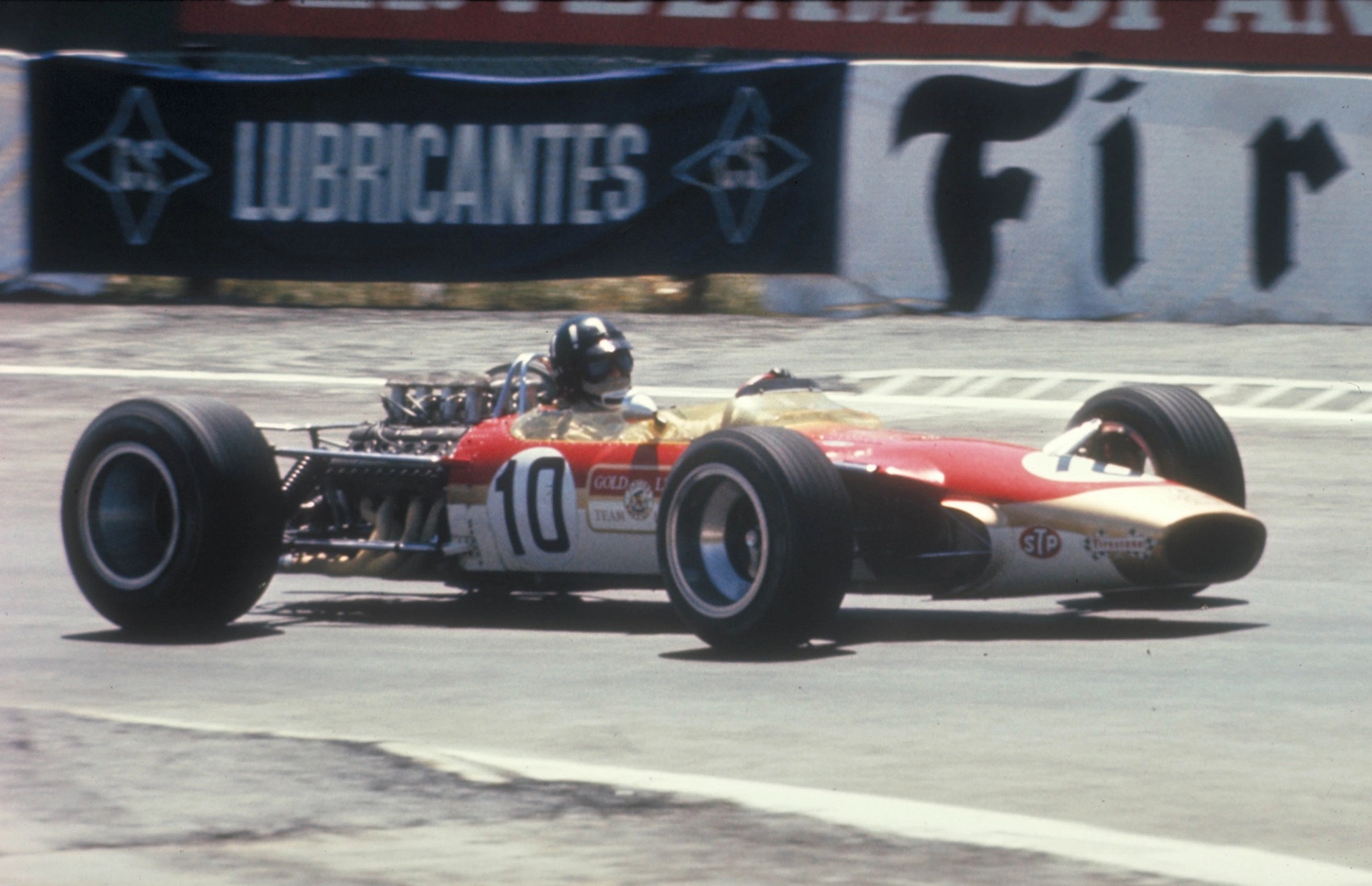
When Lotus unveiled the new version of the 49 before the Spanish Grand Prix, which kicked off the European races, Colin Chapman presented a red, gold, and cream Lotus, boldly displaying the logos of Gold Leaf cigarettes. At the time, there were no restrictions on tobacco advertising in sports, and suddenly, this iconic British racing car became a rolling cigarette pack. And it wasn’t the only surprise: soon after, BRM ditched its signature green to become white with the large brown and beige "Y" of Yardley, a men's fragrance brand. What had happened? The FIA had removed the rule enforcing national colors in international races, opening the door for teams to explore new financial opportunities in a much less lucrative Formula 1 than we see today.