Cars
Ferrari’s Technological Innovations Part 3: From V12 to Twin-Cylinder
Ferrari's engine innovations range from the 2013 hybrid LaFerrari to experiments with twin-cylinder and V6 engines. Though some projects were abandoned, Ferrari's pursuit of performance excellence continues to leave a legacy on both track and road.
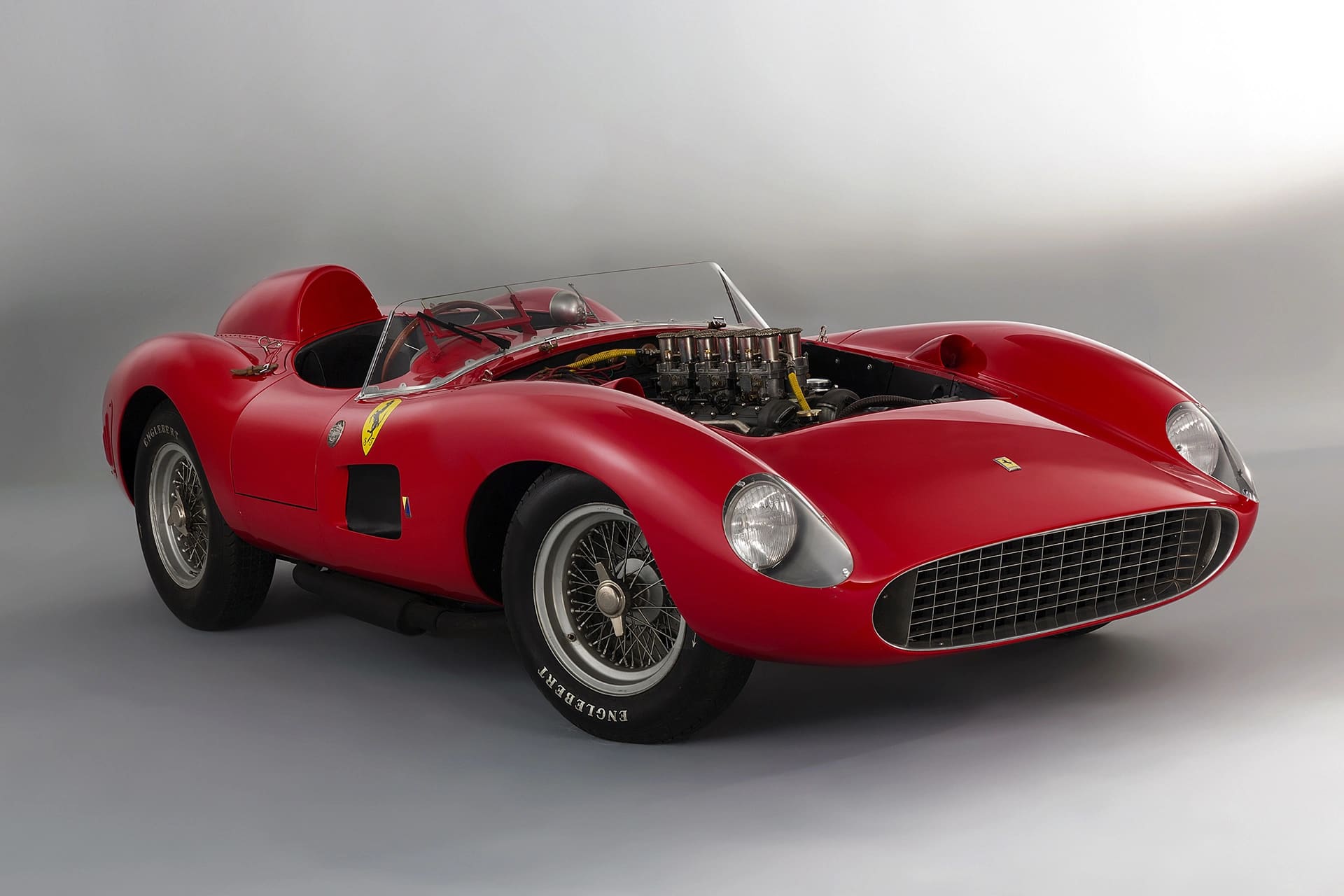
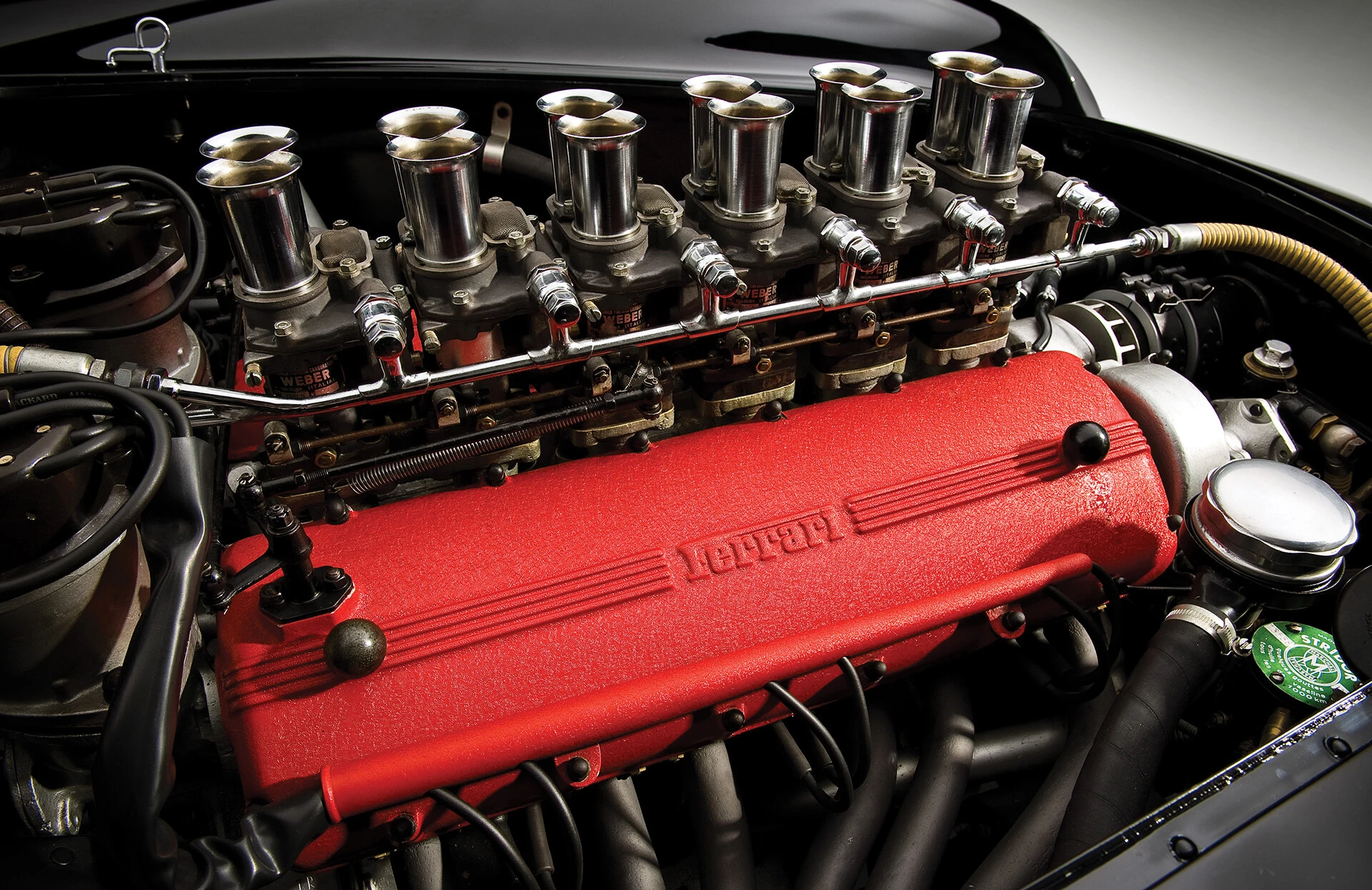
At the 2013 Geneva Motor Show, Ferrari unveiled LaFerrari, powered by a V12 engine capable of 963 horsepower, assisted by the Hi-Kers system. This system, by recovering energy during braking, provides the engine with an extra boost through electric power. Luca di Montezemolo, Ferrari's President and CEO at the time, personally chose the name LaFerrari in honor of Enzo Ferrari, who always wanted his cars to feature such sophisticated engineering. This choice made them iconic on both tracks and roads. The name represented a commitment, as electric cars began emerging, to never betray the founder’s spirit.
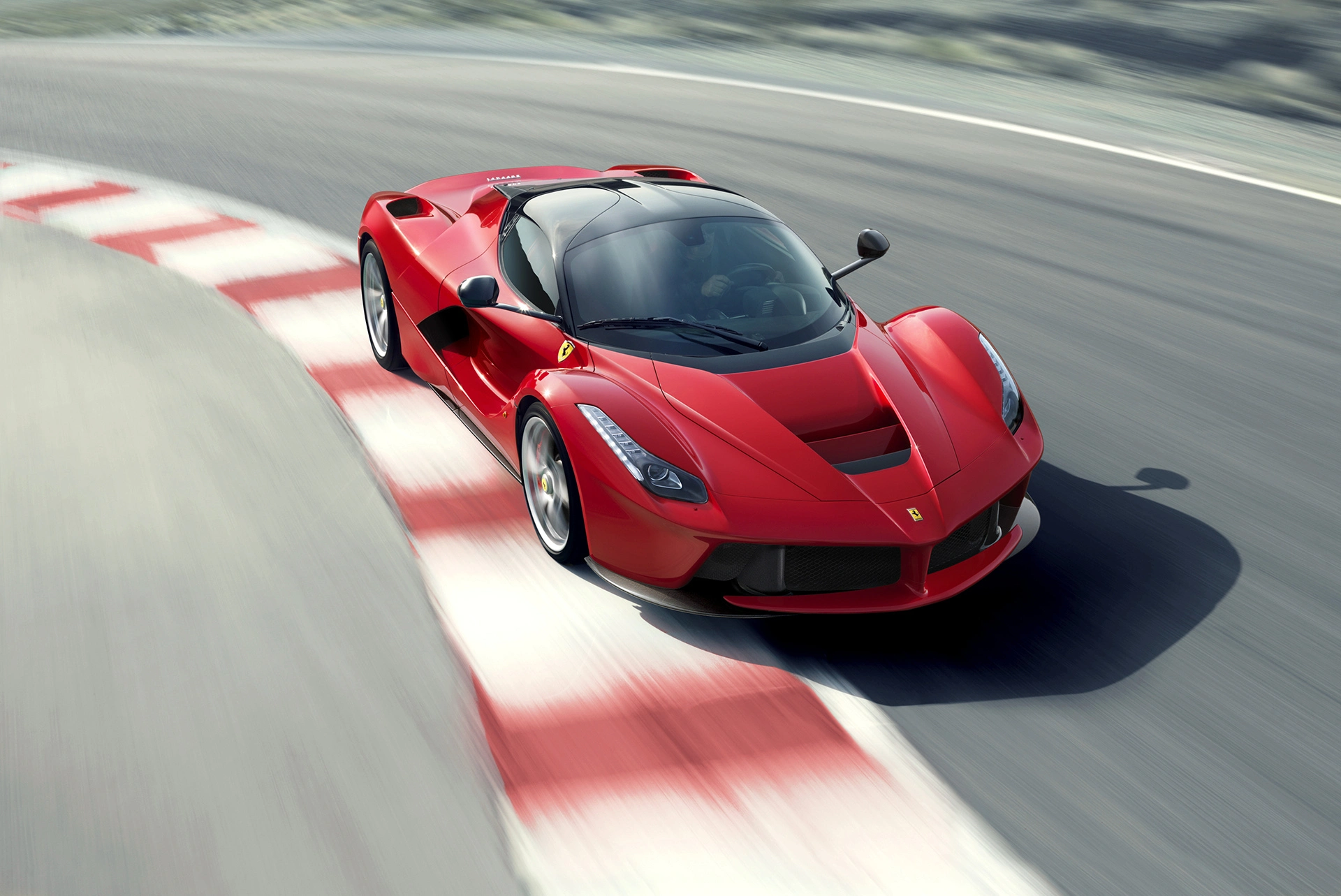
However, Enzo Ferrari's true goal was motor excellence, which at the time was best expressed with the V12 engine. But it was not a monopoly: looking back at the company's numerous innovations, one sees how many different engines were used in racing. Last week, we discussed the four-cylinder inline engine with screw-in liners, which won the first two World Titles. But the Formula 1 regulation changes in 1954 imposed naturally aspirated engines of 2500cc or supercharged engines of 750cc. Ferrari pursued both fronts: the experimentation with the small 750cc supercharged engine was quickly abandoned in favor of a revolutionary yet ultimately unfeasible idea. The concept was to have a car with power at low rpm for success on mixed and slow circuits like Monaco. Engineer Lampredi was tasked with developing a twin-cylinder engine with four valves per cylinder and dual ignition. Its possible advantages included compactness and reduced weight. Despite producing 160 hp at 4800 rpm with potential up to 5200 rpm, the engine’s major flaw quickly emerged: vibrations so severe they damaged test benches. These vibrations would have transferred to the car in real-world use, which Ferrari had envisioned as much smaller and lighter than its competitors.