Cars
Ferrari’s Technological Innovations Part 2: The Revolution of the Early Years
Ferrari's early years were marked by groundbreaking innovations. From compact V12 engines to aviation-inspired designs, these advances brought racing victories and established Ferrari as a leader in performance and design.

Enzo Ferrari always aimed for victory: "second place is just the first loser", he would remind his team, urging them never to forget their mission: to win. This drive for success fueled the technological innovations introduced by Ferrari from 1947, when he unveiled his first car, the 125 S. These innovations were born from the insights and experiences of men, mostly engineers, who brought significant and profound advances to both racing and road cars. The key point is this: not inventions, although there were many and some were quite successful, but innovative ideas originally developed for other fields, particularly aviation, that were applied to competition cars.
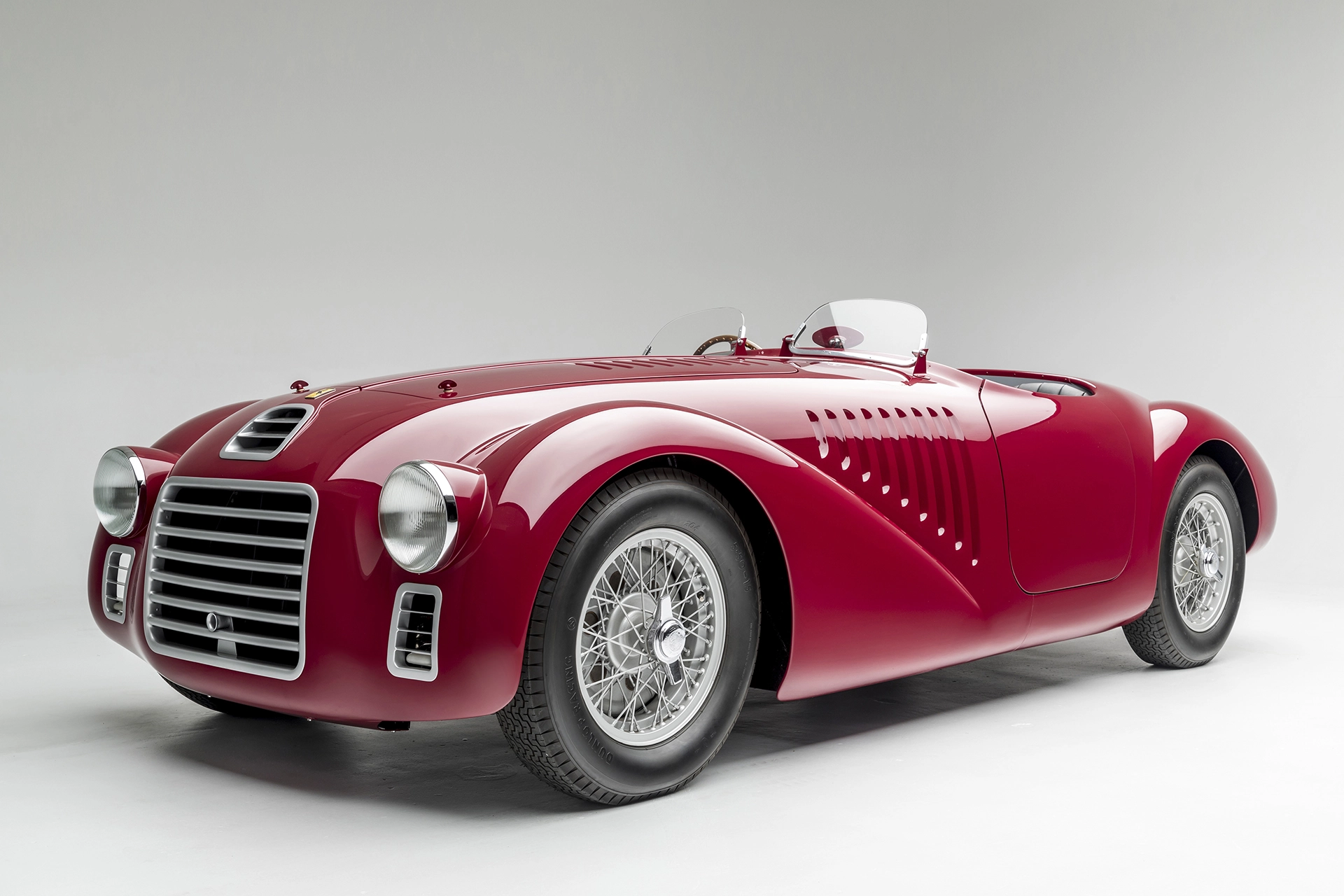
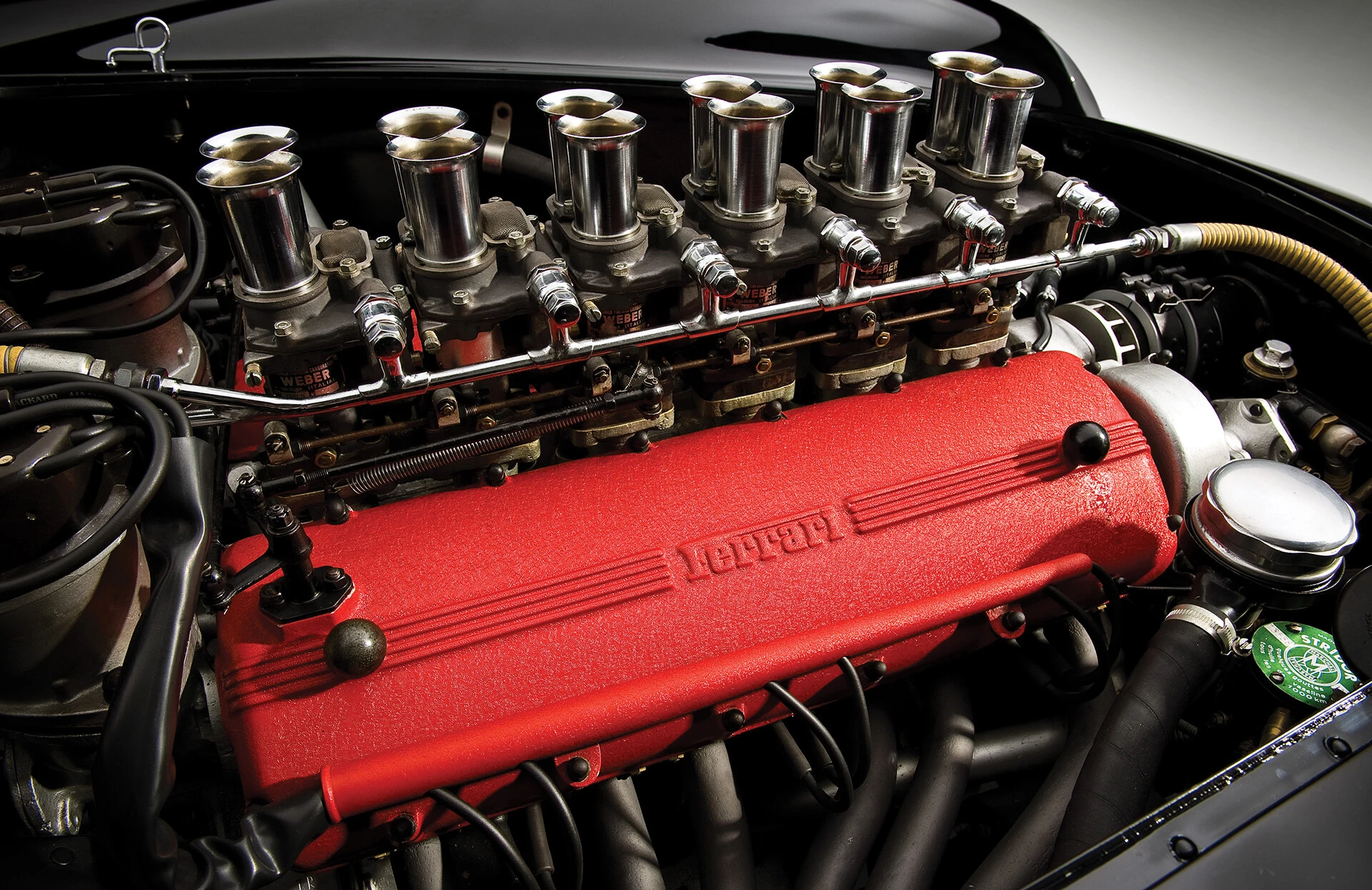
One of the first major innovations, driven by Enzo Ferrari’s belief in surpassing supercharged engines, was the creation of sophisticated, light, and compact engines. His first 12-cylinder V engine from 1947, with just 1500cc, was a revolutionary choice for its time. Designed by engineer Gioachino Colombo, this engine could reach over 6000 rpm, producing a magnificent sound, acceleration, and torque that quickly surpassed other racing cars of the era. However, Ferrari’s excellence wasn’t limited to the V12 choice. Ferrari’s engines were packed with technical innovations: they were short-stroke (oversquare), used highly efficient hairpin-type valve springs (inspired by motorcycle engineering), and thanks to Ferrari’s collaboration with Weber, featured single, double, or even four-barrel carburetors. These innovations maximized combustion efficiency through careful resonance studies.