Cars
The History of Colors in Racing: From the 1920s to the Singapore GP
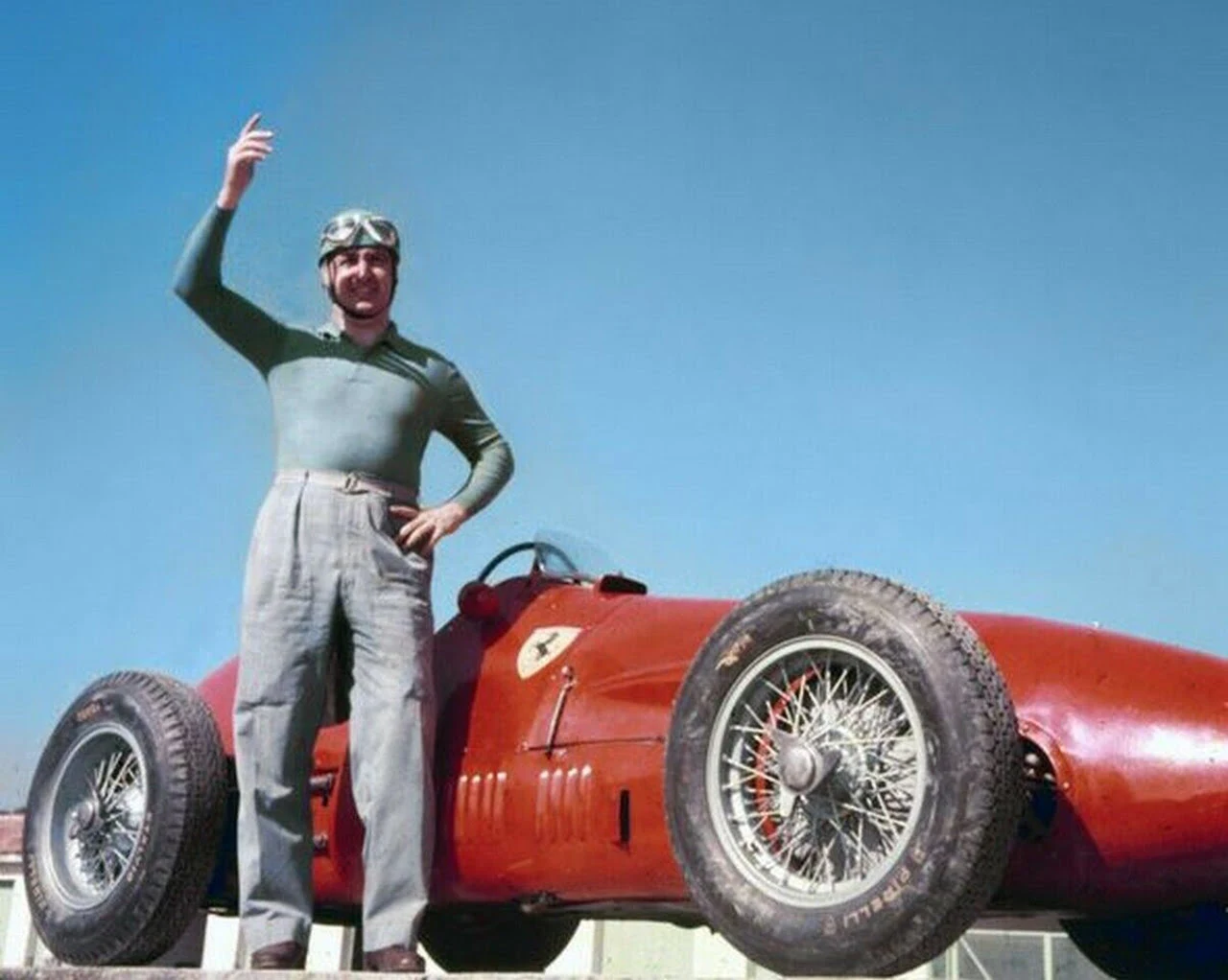
From national racing colors to advertising tools, Formula 1 cars have transformed since the 1920s. This article explores how colors once defined nations and evolved with sponsorship, featuring iconic examples like Ferrari’s red and Mercedes’ silver.
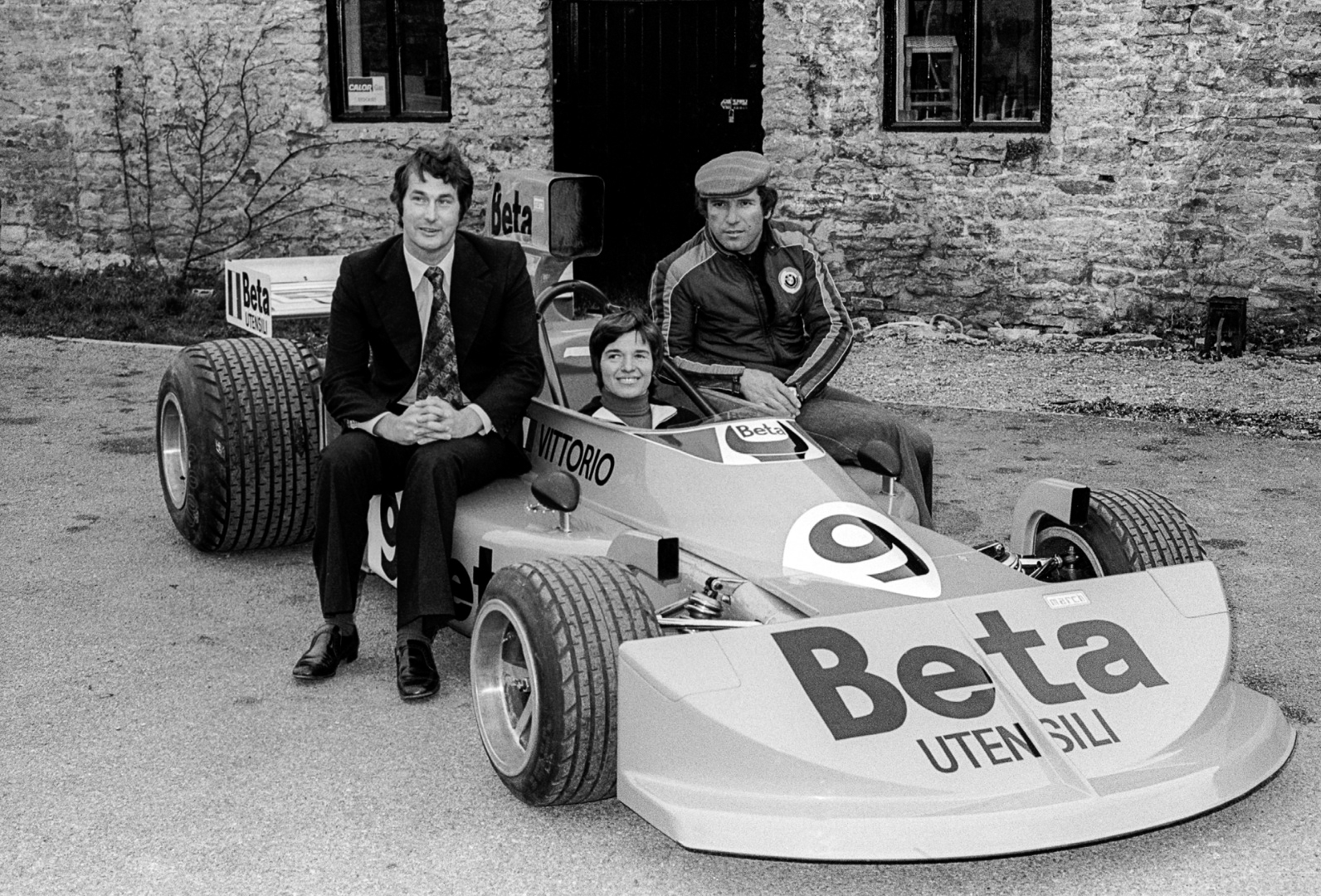
A black and green Mercedes, a tribute to Petronas’ 50th anniversary, and a Racing Bull painted like a pair of HUGO jeans, complete with stitching, rips, and even a zipper dividing sections of the car – an idea once used by BAR Formula 1 – demonstrate how Formula 1 cars have become vital advertising tools. This was evident at the Singapore GP on Sunday, September 22.
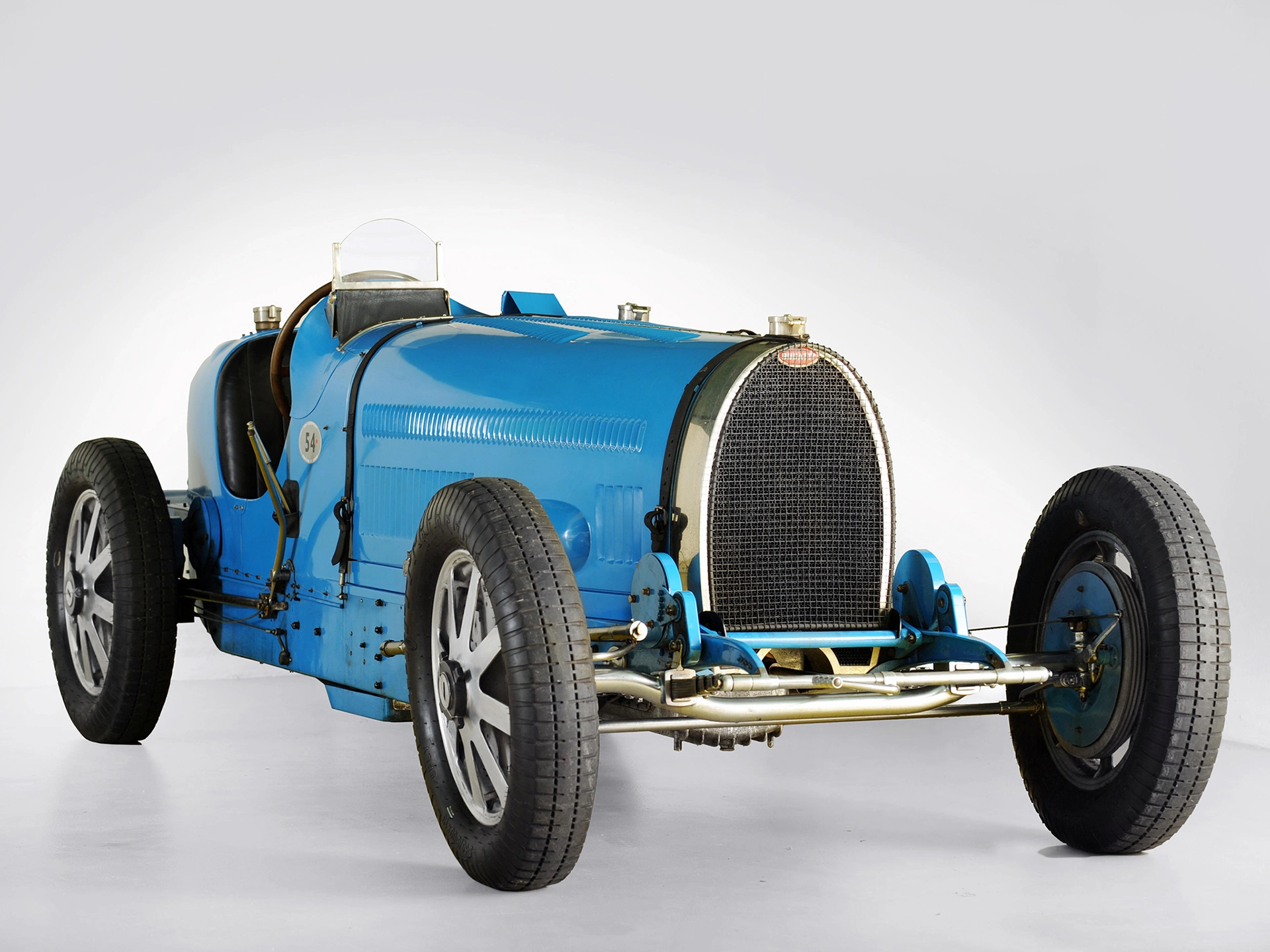
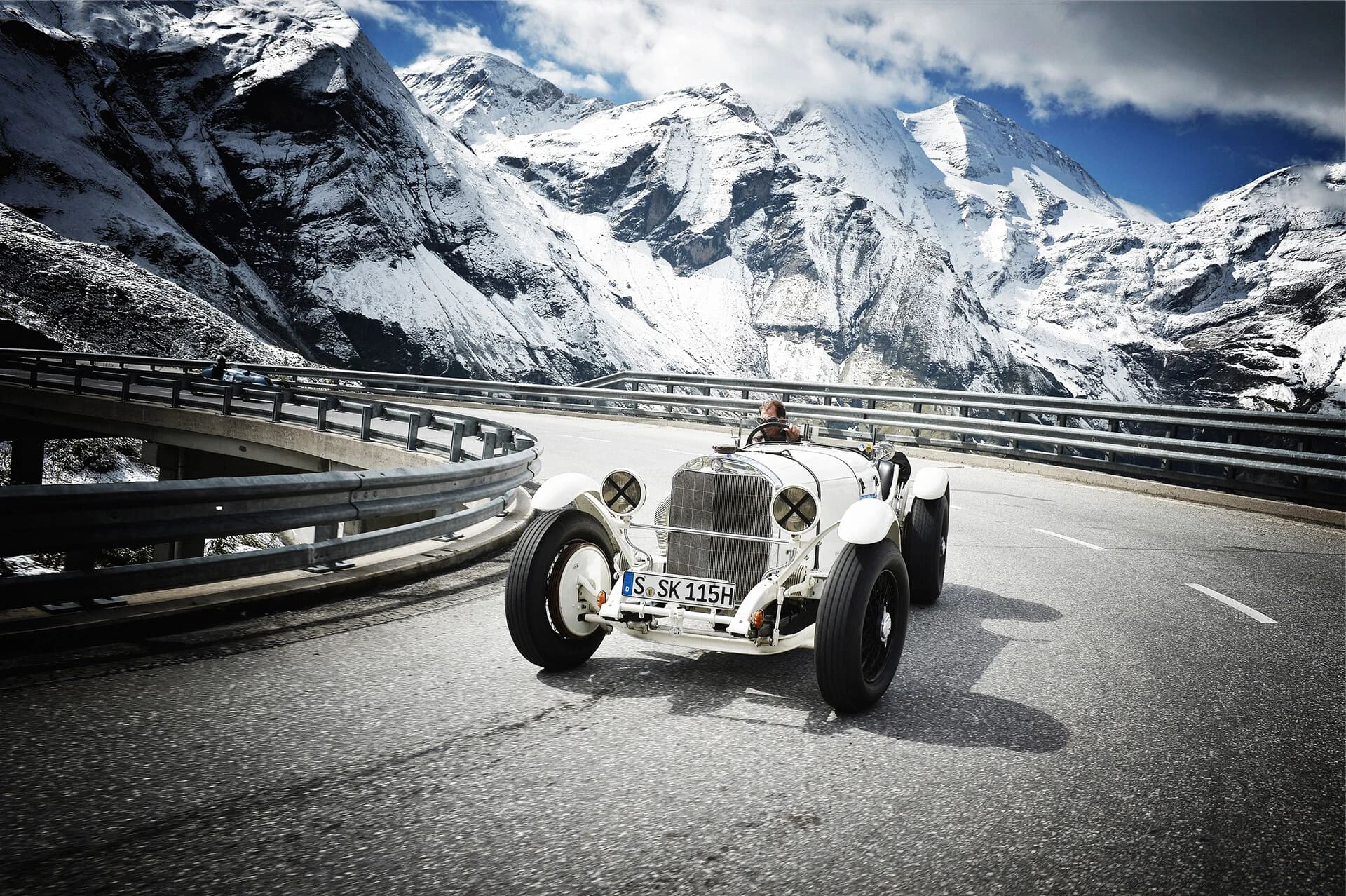
Today, it’s normal to see sponsorships in sports, but in Europe, this was prohibited for a long time. Particularly in motorsport, from the 1920s until 1968, cars competing in international races were required to carry national colors without any alterations or commercial logos.