Events & Tours
From the Future of the Gianni Agnelli Ferrari F40 Valeo to the Past of the New 12Cilindri Manuale
Technology that once removed the clutch now restores it – Ferrari’s relationship with the manual gearbox, from Agnelli’s F40 to the 12Cilindri.
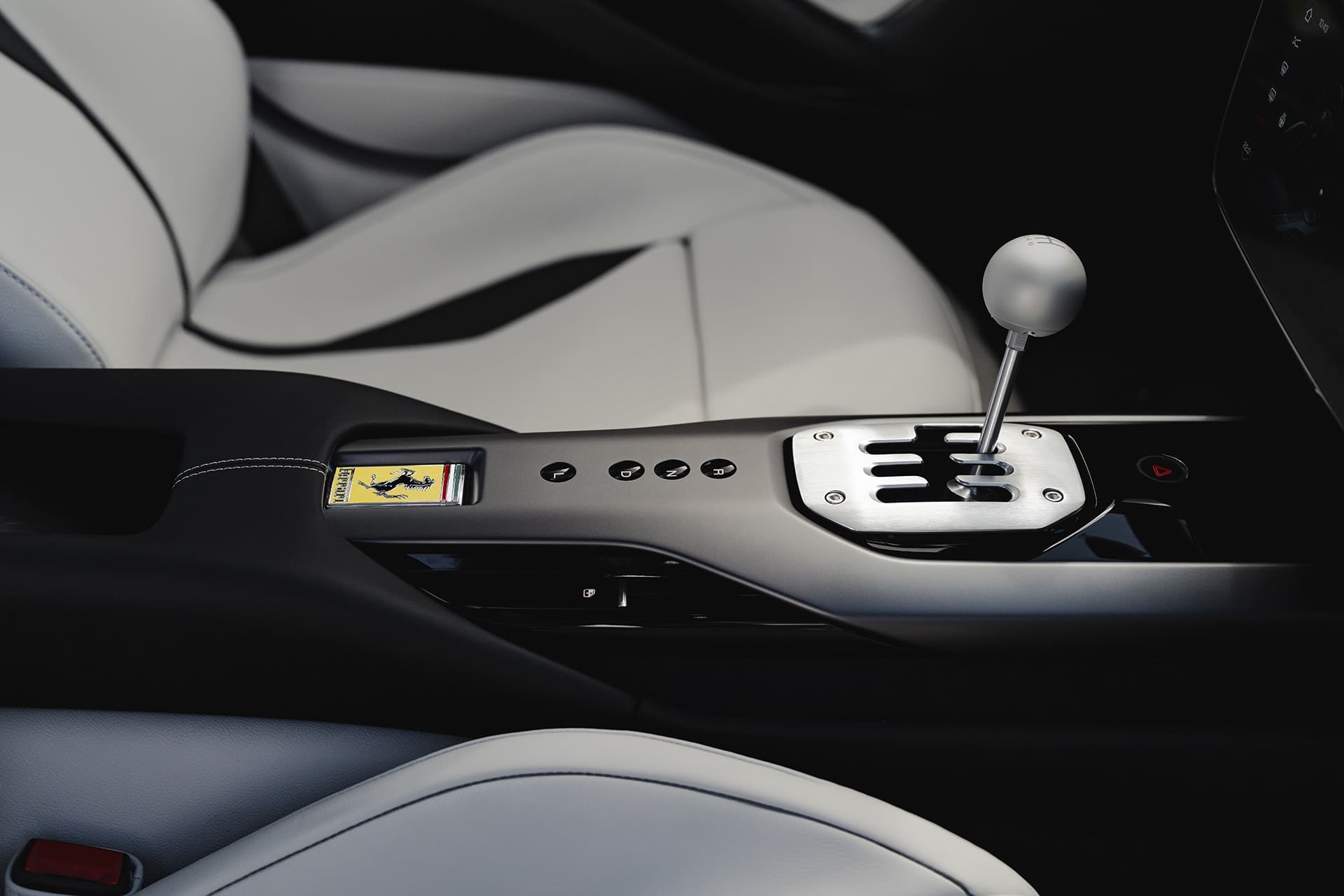
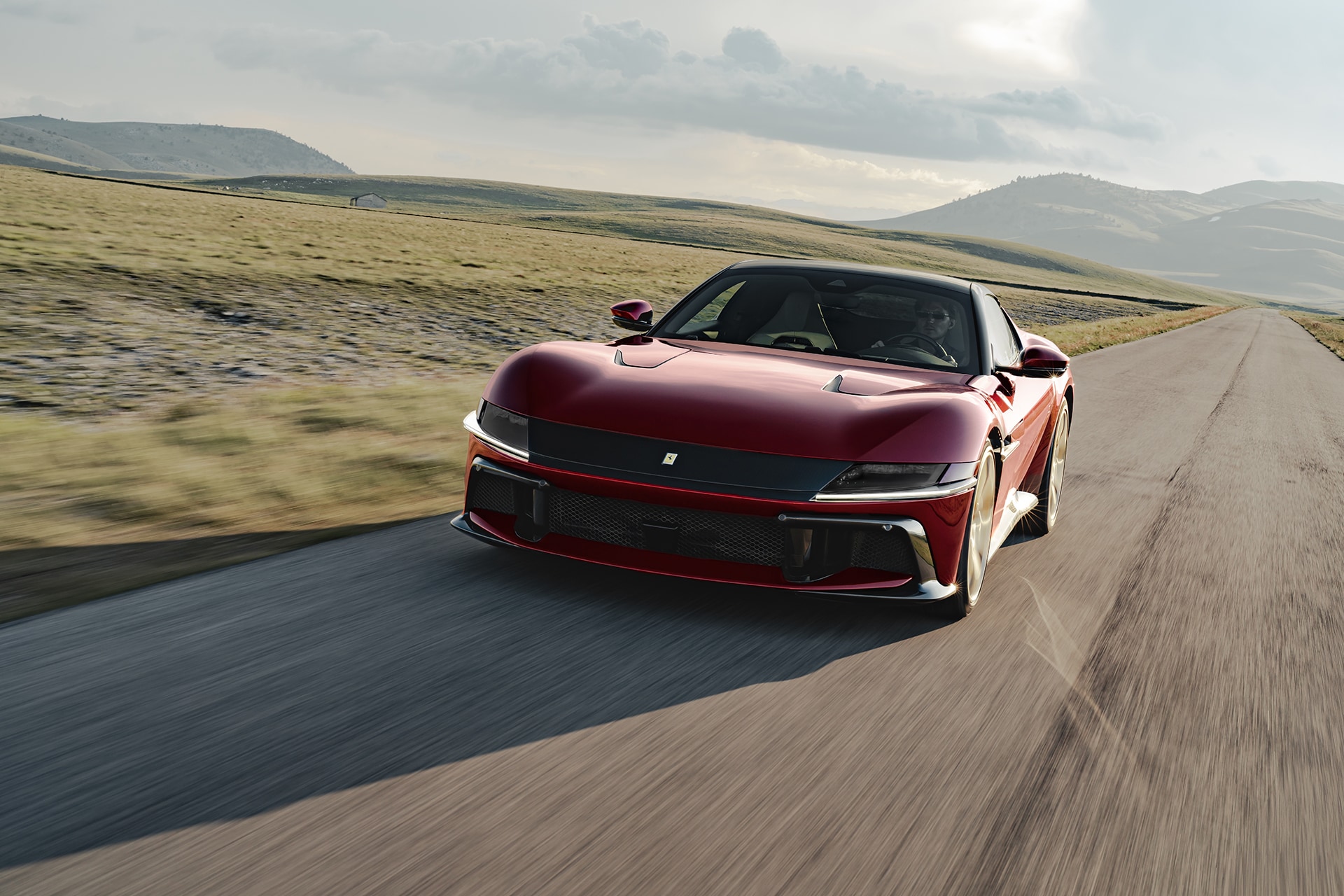
There is a gesture that generations of Ferrari enthusiasts know well: pressing the clutch, guiding the gear lever along its distinctive open metal gate, feeling the gear engage before accelerating once more. A sequence of movements that demands sensitivity, coordination, and experience. A gesture that once seemed destined to disappear, sacrificed on the altar of performance and shifting speed – a revolution that Ferrari itself had brought about with the electrohydraulic gearbox. And yet: in these very days, the Ferrari 12Cilindri Manuale has appeared. With the classic, historic Maranello gearbox – or so it seems. The new Ferrari brings back the lever, the gate, and the clutch pedal, but conceals a secret: none of these controls is mechanically connected to the transmission. Sensors, electronic control units, and actuators translate the driver’s movements into instructions for an eight-speed dual-clutch gearbox, six of those ratios selectable via the manual lever. A highly sophisticated system, developed to recreate the sensations of a genuine manual gearbox – including the possibility of fluffing a start and stalling the engine.
The curious and fascinating thing is that in the automobile, every innovation has a precedent. In 1989, Gianni Agnelli commissioned a Ferrari F40 with entirely personal specifications. L’Avvocato had suffered a serious injury to his left leg in a road accident in 1952, a condition that made operating a clutch pedal as stiff as those found in sports cars practically impossible. The solution was to build, for him, an F40 fitted with a Valeo electronic clutch, capable of managing clutch disengagement and re-engagement automatically, while retaining the five-speed manual gearbox and the ability to select each gear personally. A remarkable result. The unique example, chassis #79883, was also distinguished by its interior trim in black fabric rather than red, and by a gear knob personalised with the initials GA. An extraordinary car – not only for its history, but for the philosophy it represented: technology should not distance a person from the act of driving, but allow solutions that preserve the pleasure of using the car.