Events & Tours
Paris, the Motor Show, and the Powerful Card of Nostalgia
Diesel fatigue and a pandemic hangover behind it, Paris 2026 smelled of warm interiors and old rivalries – Europe’s answer to a crowded field.
Venice, 1980. The first edition of the Architecture Biennale opens under the evocative title "The presence of the past" – an exhibition that consecrated postmodernism as the defining architectural movement of the following decade. That same year, 1980, the Audi Quattro, the Fiat Panda, and the Renault 5 Turbo were unveiled: cars considered "style icons" today, but at the time symbols of advanced research in engineering, materials, and the use of space. Cars that confirmed a technical and creative leadership of which Europe was rightly proud.
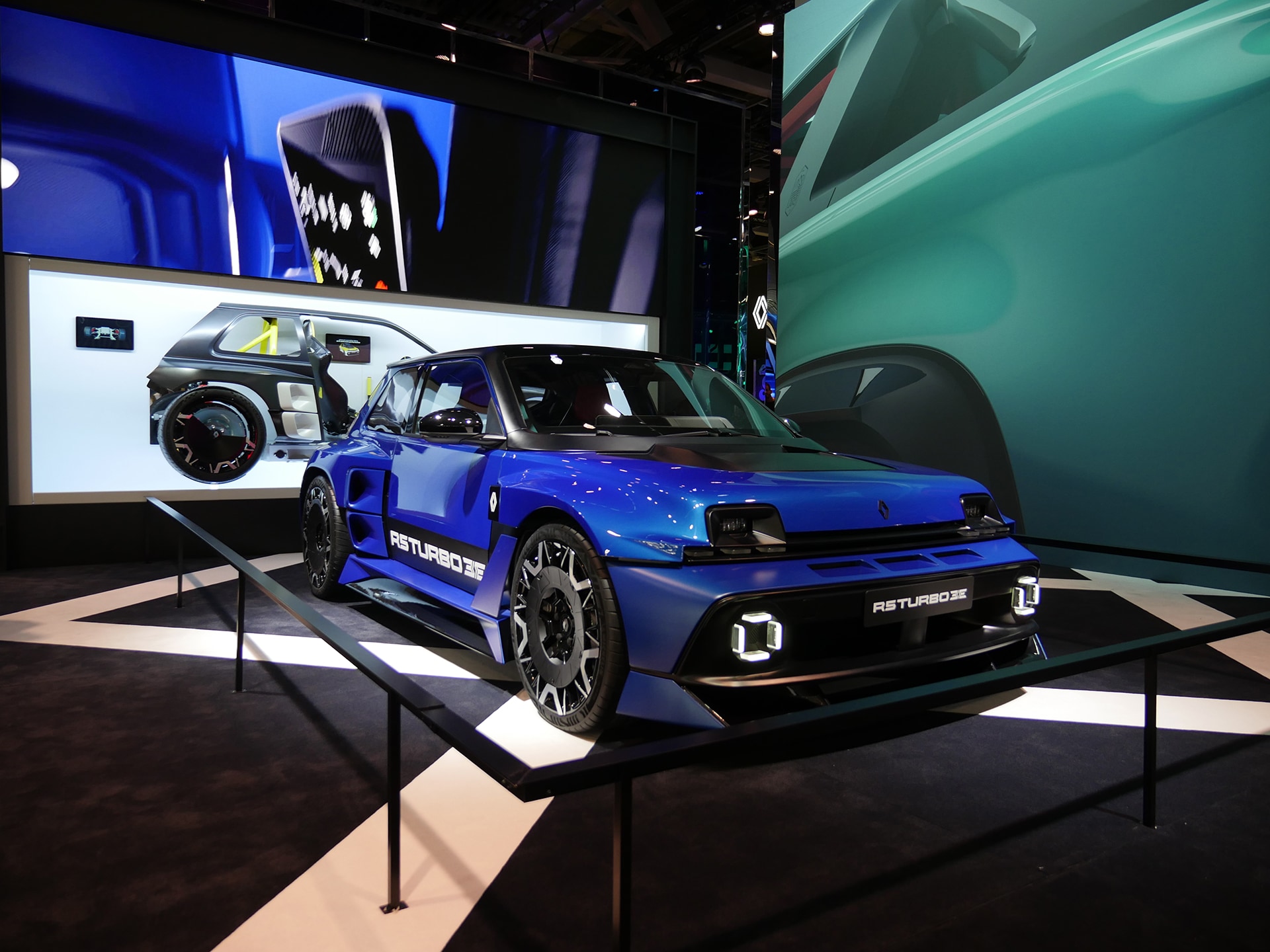
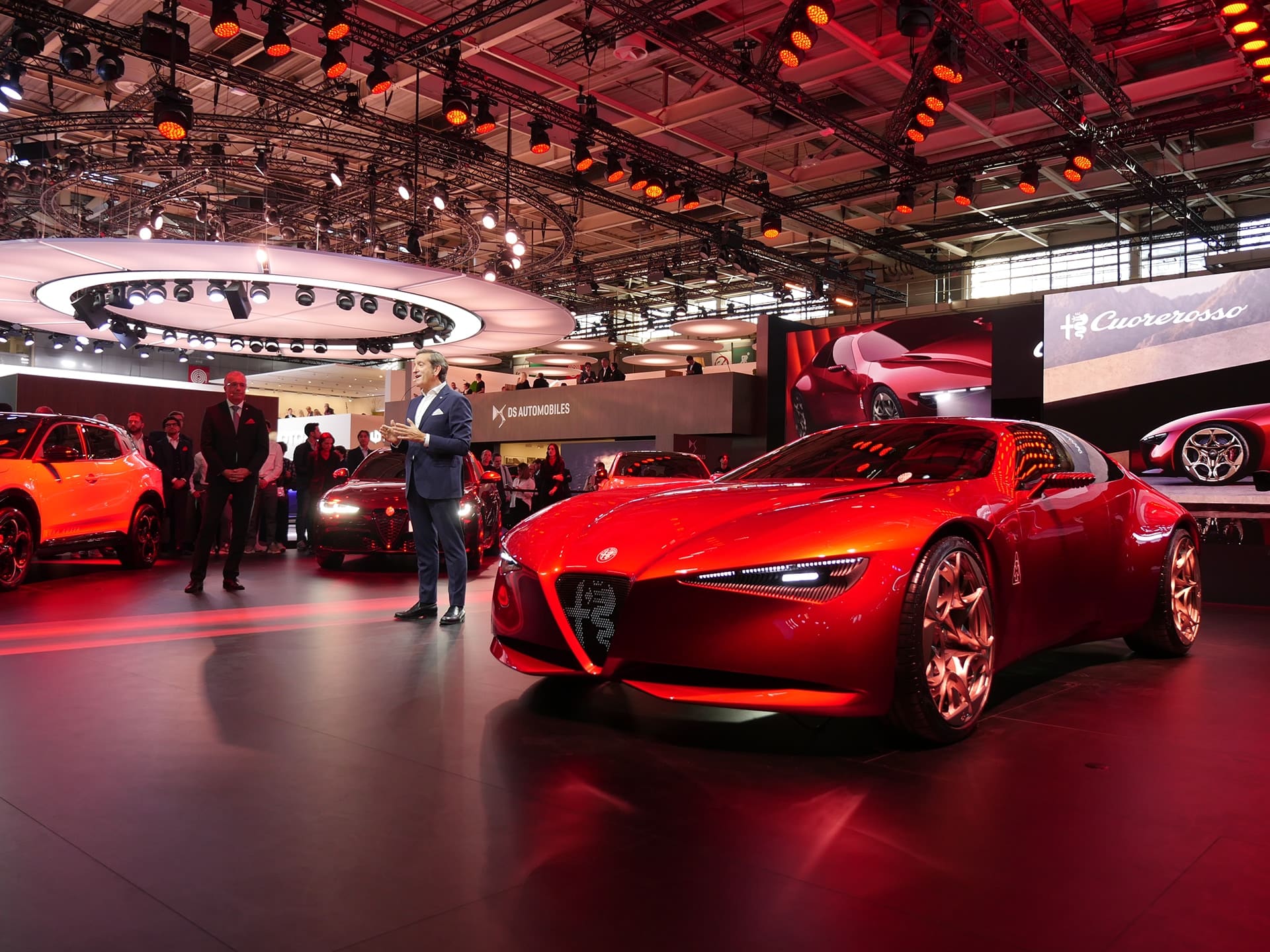
Paris, 2026. Past the post-dieselgate decline, the blow of the pandemic forgotten, the rise of social media absorbed – traditional motor shows had been written off. Geneva laid down its arms – a painful choice for a show so symbolic – Frankfurt relocated to Munich, while Paris, driven by an enlightened vision, returned to the field in earnest. As they say: Paris is well worth a Mass. And worth a stand, too, where you can rediscover cars and their history. Here, at last, the opportunity to rekindle the desire for automobiles – to touch the interiors, open and close the doors, discuss the colours. The public, it became clear, wants physical contact with the car again: to touch it, smell it, to fall in love with this model or that, not only for its qualities but for what it represents. Attendance was strong, with full representation from senior management across the industry. There were lights and shadows, however: on one side, an army of Chinese marques – we counted 15 – with technically excellent but perfectly interchangeable cars; on the other, the European resistance, orchestrated above all by the players of Renault and Stellantis, with Citroën, Peugeot, Alfa Romeo, Fiat, and Opel, who deployed the one weapon absent from the Chinese arsenal: nostalgia.