Cars
When the Ground Became the Invisible Wing
How Lotus pioneered ground effect in Formula 1, transforming aerodynamics and creating the dominant “wing car” era.

It is curious to think that until the late 1960s, despite the extraordinary development of aviation, Formula 1 had failed to grasp the infinite possibilities offered by the air being cut at high speed by a single-seater. Wings had been the first step, hinting that advanced aerodynamic solutions could transform performance and, as a consequence, safety too. From 1968 onwards, the Fédération Internationale de l’Automobile focused its attention on aerodynamic appendages and wings — on visible aerodynamics, in other words — but the constructors, Lotus above all, shifted their gaze to an area that could not be seen: the underside of the car. There was no precise knowledge of the shapes, the flows, or the behaviour of the air beneath a single-seater. Those who understood it first made all the difference. One name? Colin Chapman and Team Lotus.
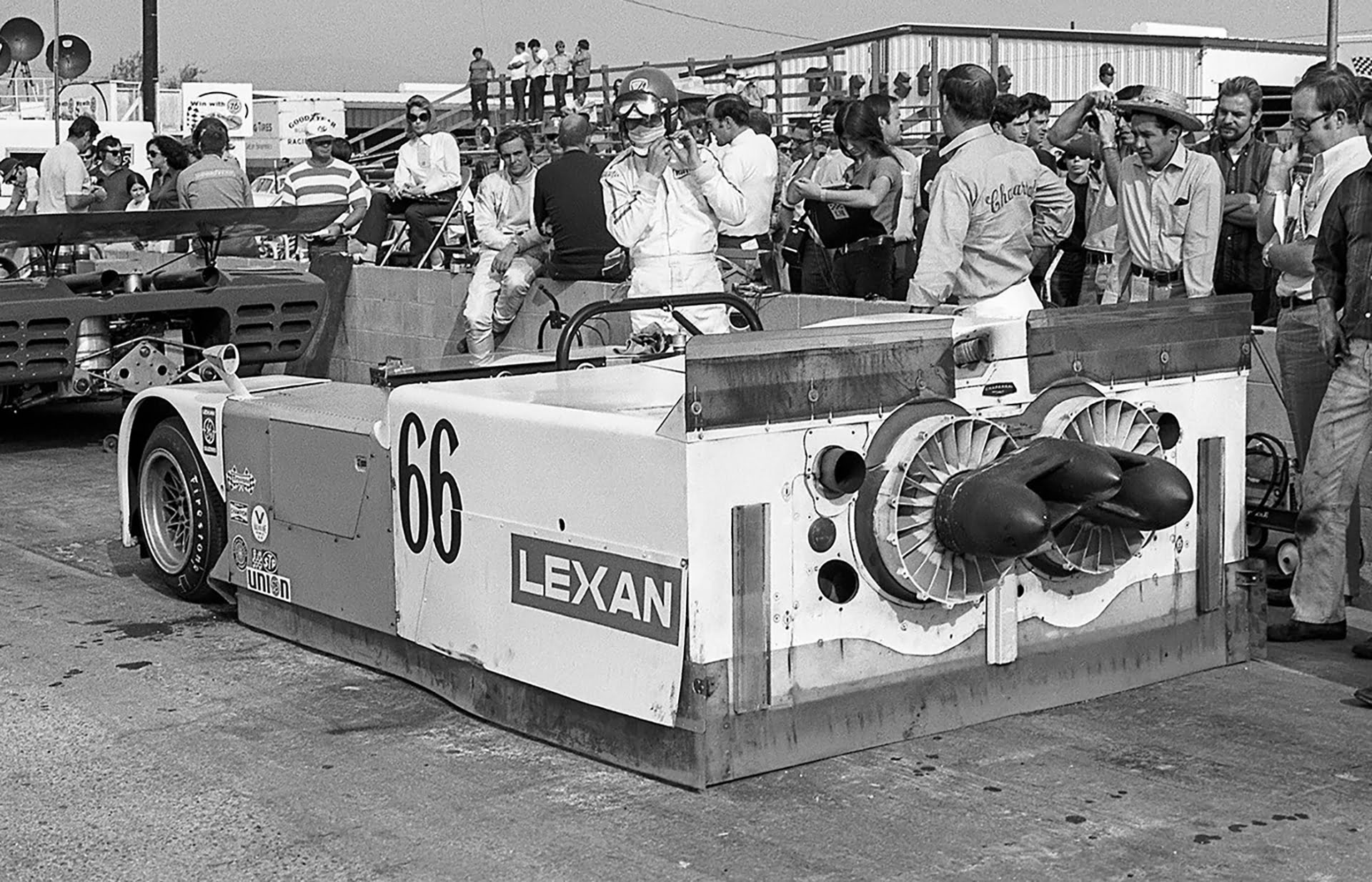
The inspiration was not entirely new. On the other side of the Atlantic, the Chaparral 2J had already demonstrated that by “sealing” the car to the ground, one could generate a powerful downforce that literally glued the car to the road, allowing dramatically higher cornering speeds.