Cars
Small jewels, big accolades. Compasso d’Oro, of course.
When it comes to automotive design, the more technical constraints there are, the greater the designer’s contribution to creating a car that is worthy of passing into history. In the history of the Italian Compasso d’Oro, the award established in 1954.

When it comes to automotive design, the more technical constraints there are, the greater the designer’s contribution to creating a car that is worthy of passing into history. In the history of the Italian Compasso d’Oro, the award established in 1954 by the Association for Industrial Design, there is no shortage of examples of small, intelligent jewels.
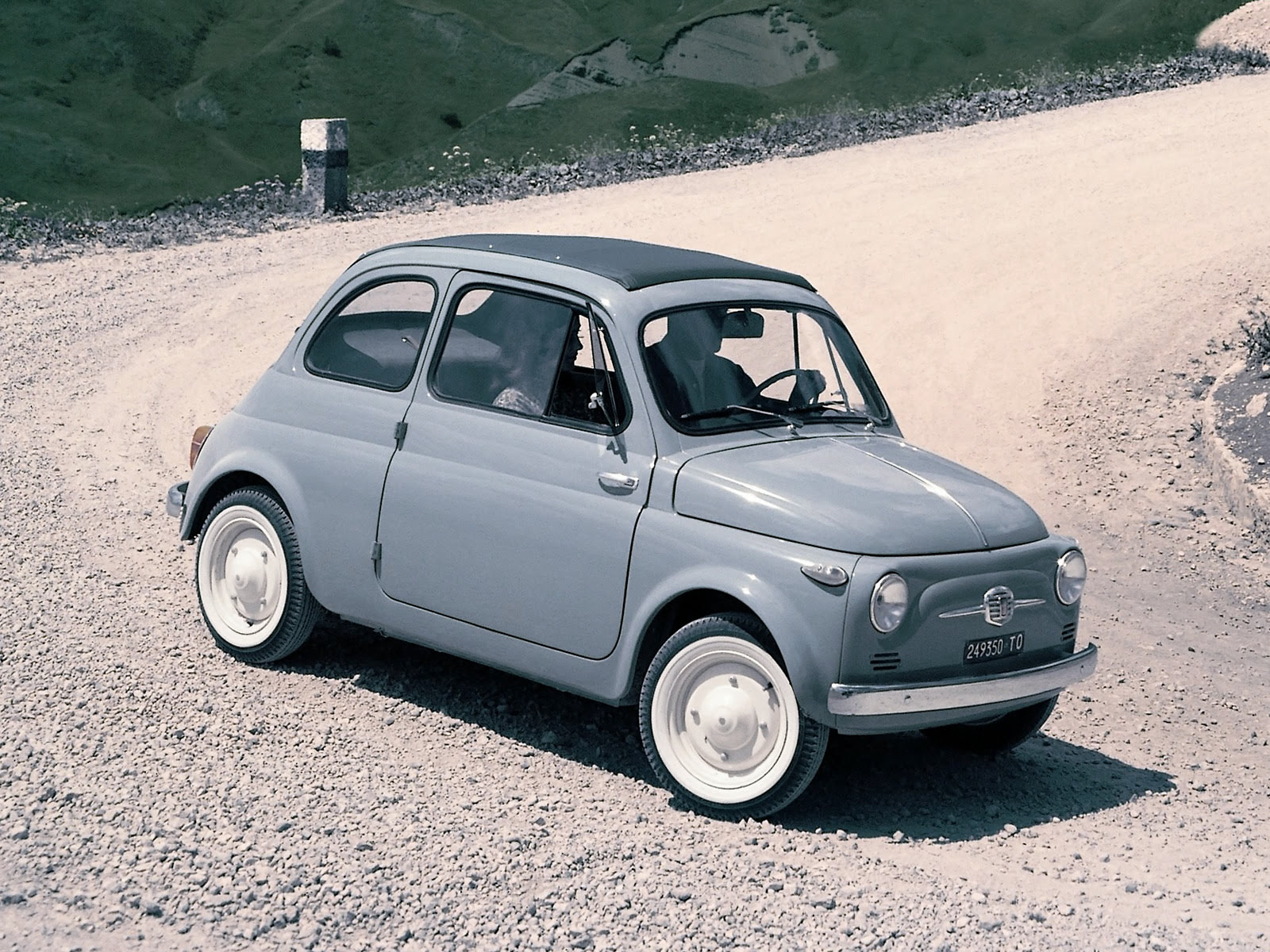
In the beginning, there was the “Nuova 500” from 1959, with the award going to engineer Dante Giacosa who paved the way for small cars at Fiat with the 5A, B, later called Topolino, and C after the war. His intention was to make a real car, with a four-stroke engine, even if it had only two cylinders, and not with a motorcycle engine, as was common at the time. This was a resounding success with almost four million units produced, which was celebrated with a new Compasso d’Oro award in 2011 for the 500, expertly redesigned by Roberto Giolito.