Cars
Porsche's Technological Innovations Part 11: Continuous Evolution
From rally legends to carbon supercars and luxury SUVs—Porsche's tech evolution redefined performance and prestige across decades.
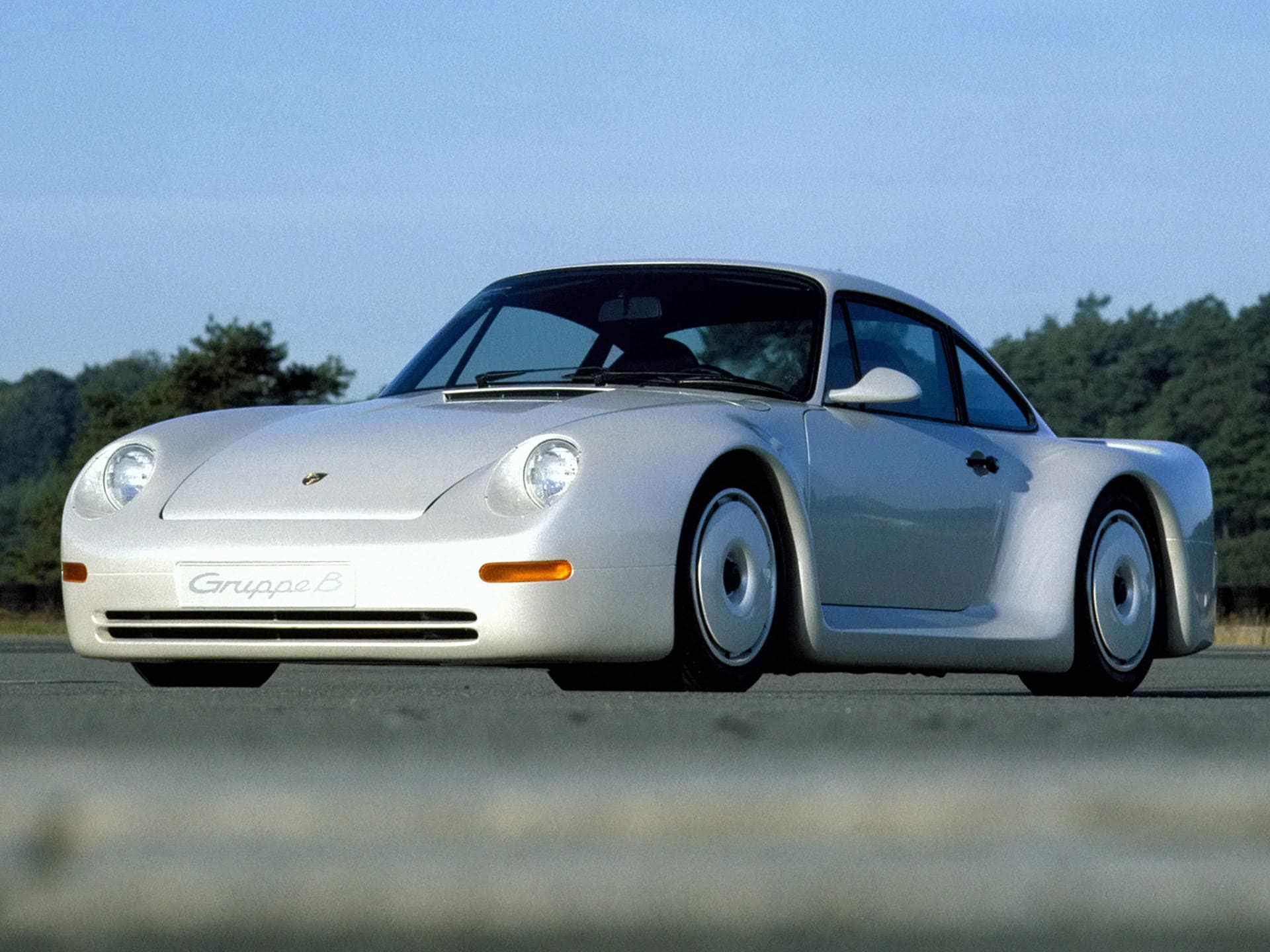
The story of Porsche and its technology could fill entire books. We will therefore limit ourselves to highlighting a few of the most significant milestones along the journey that has brought us to the present day. In 1989, the 959 was born from an idea that dated back six years earlier, in 1983 to be exact, when the Gruppe B prototype was unveiled at the Frankfurt Motor Show. The decision to finalize it and put it into production stemmed from the desire to compete in the Group B rally championship, which was, however, canceled in 1986 due to excessive danger.
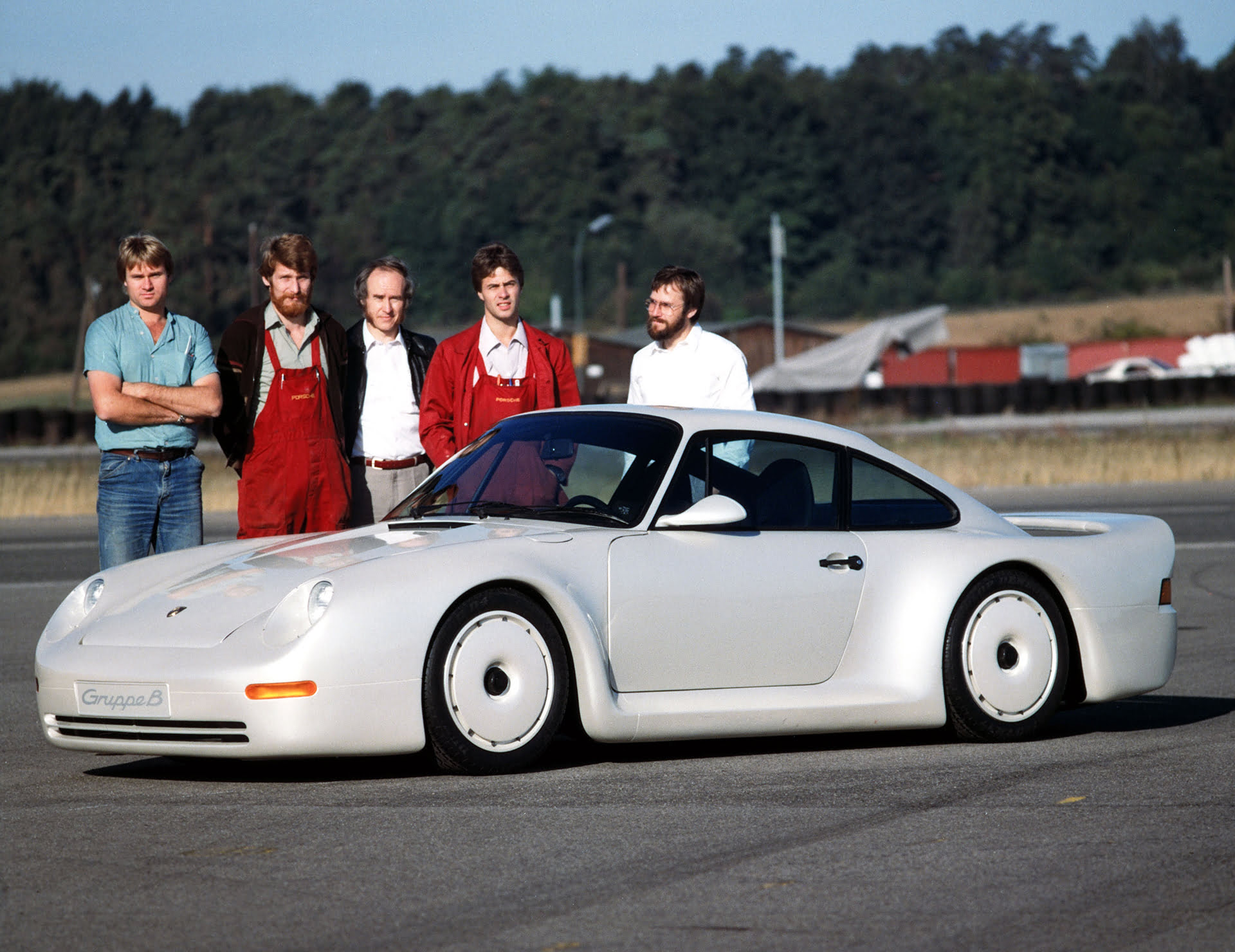
The technological effort was nonetheless rewarded both in sports and commercially. In fact, the car raced and won, with Rene Metge and Dominique Lemoine, the 1986 Paris-Dakar Rally and achieved great commercial success. When Porsche designed the 959, the goal was perfect traction. The PSK all-wheel-drive system was the technological crown jewel of the 959, allowing for variable torque distribution between the front and rear wheels. The system’s default setting was 40% front and 60% rear. During acceleration, the PSK system adjusted the ratio to deliver 80% of the torque to the rear wheels. In slippery conditions, the ratio changed to 50:50. The 959 also featured a height-adjustable suspension system with three different settings. The height could easily be changed via a knob on the dashboard. Above 80 km/h, the ground clearance automatically adjusted to the lowest setting. The small 911 had thus taken another giant leap forward in history.