Cars
Porsche's Technological Innovations Part 10: The 917
Porsche's 917 conquered Le Mans in 1970, blending bold design, raw power, and iconic style to become a racing legend on both sides of the Atlantic.
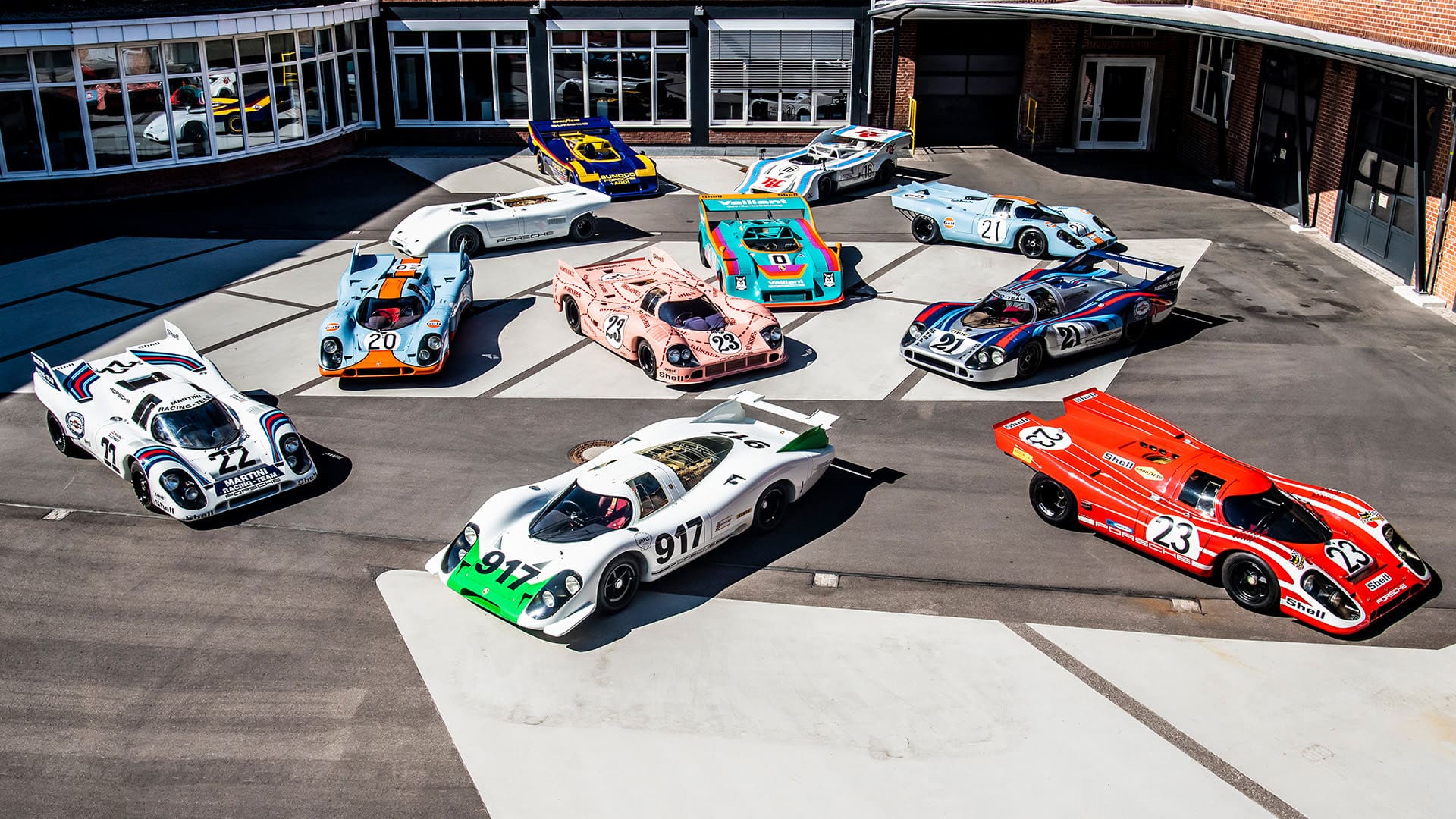
At the end of the 1960s, even though it had already secured 28 class victories at the 24 Hours of Le Mans, Porsche had never achieved an overall win. The company, which remained very much a “daughter and granddaughter” of the Porsche family, found in Ferry’s cousin a man determined to change that. His name was Ferdinand Piëch (to find out more, click here: Unforgettable Car Geniuses: Ferdinand Piëch) who, loyal to the tradition of air-cooled boxer engines, saw a new opportunity in the 24 Hours’ updated regulations that allowed up to 5000cc for naturally aspirated engines. He instructed Hans Mezger to create a V12, naturally in boxer configuration, for a model that would be named the 917.
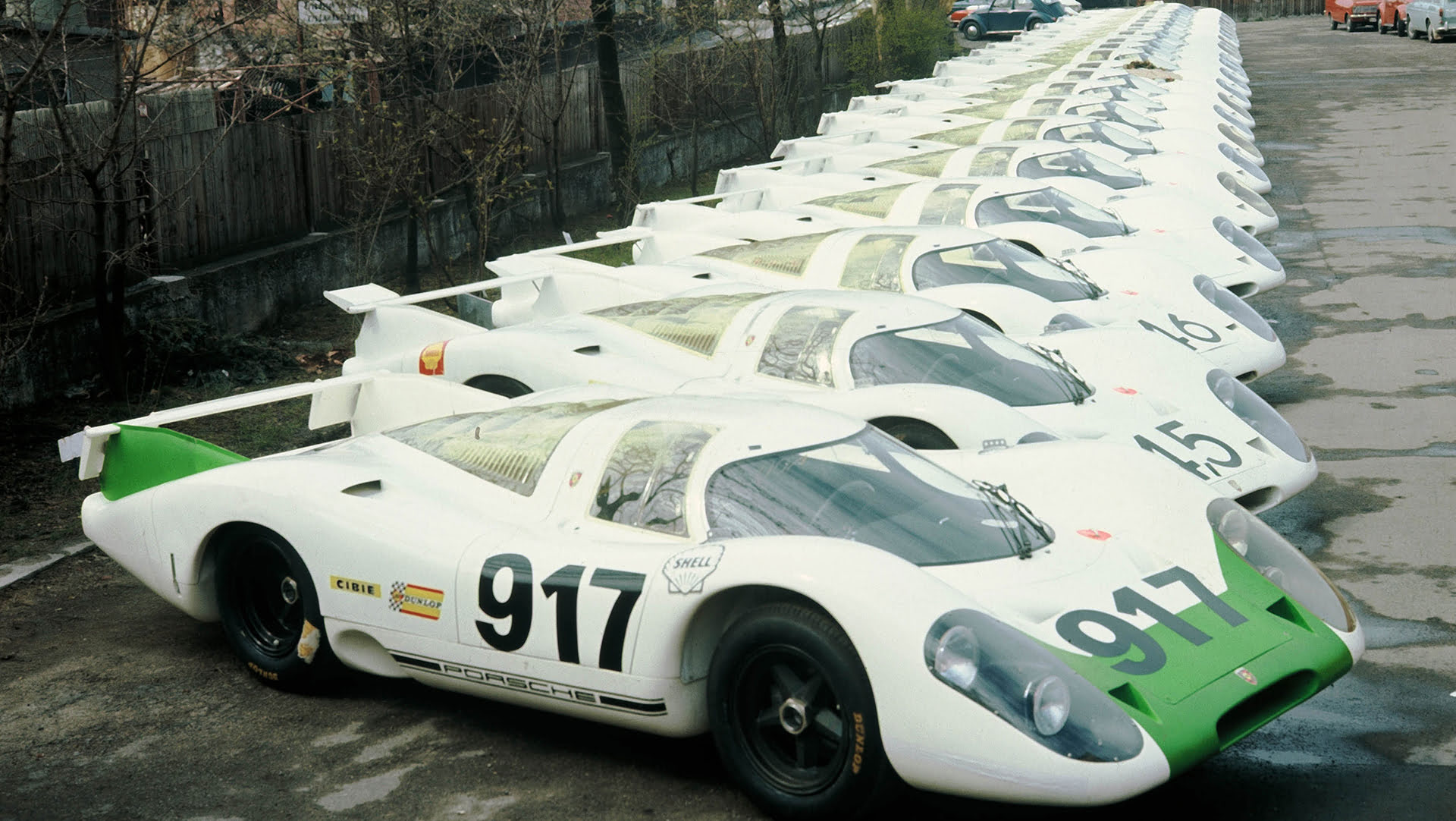
This car represented an extraordinary leap forward in the design of race cars. At its debut in 1969, due to the massive power of its 4.5-liter, 580-horsepower engine weighing just 800 kilos, and its daring aerodynamic solutions, the car proved very difficult to drive. Its top speed on the Mulsanne Straight at Le Mans reached 362 km/h in the long-tail version—Langheck—but it was extremely challenging through mixed sections, unlike the earlier 907 and 908 models.