Cars
Mercedes-Benz: A Timeless Racing Legacy
Mercedes-Benz has a storied history in motorsport, from early victories in 1901 to dominating modern Formula 1 with 15 World Titles. Their legacy includes the iconic Silver Arrows, multiple championships, and innovative race cars.

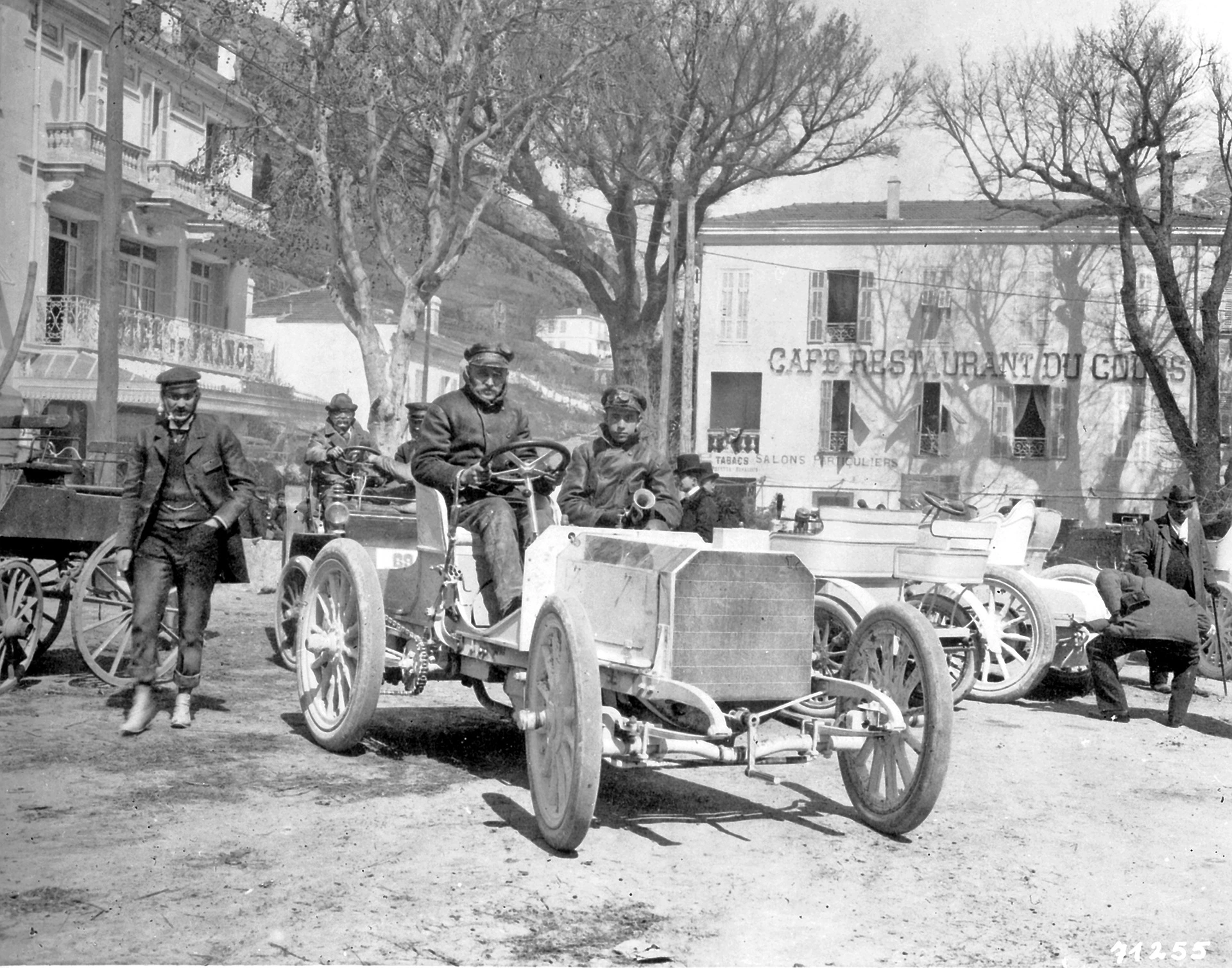
The history of Mercedes in racing is as extraordinary as it is long and varied. Roarington offers today a summary of an adventure that could fill books. The Mercedes name first appeared at the top of the leaderboard in 1901, at a refined and fashionable location on the French Riviera, where the most important international motor race of the time took place: the "Semaine de Nice," dominated by the Mercedes 35 HP driven by Wilhelm Werner. The automobile had become a reality, and some events stood out over others: the famous Gordon-Bennett Cup was one of these, and in 1903, a 60-horsepower Mercedes Simplex claimed victory, dethroning the French, who had always won before.
As power increased, the races became more demanding. In 1908, the Mercedes Grand Prix car that won the French Grand Prix had an impressive 140 horsepower. In 1914, Mercedes achieved another success at this prestigious Grand Prix with a first and second-place finish. In the 1930s, when the European Grand Prix Championship was established—before the World Championship arrived in 1950—Mercedes won 34 out of 56 Grand Prix races and secured three European Championship titles. It’s interesting to note that in those years, the Mercedes W25 Grand Prix cars changed from white (the mandatory color for German cars) to silver. At the 1934 German Grand Prix at the Nürburgring, the cars were weighed and found to exceed the 750 kg limit. Alfred Neubauer, the racing director, had the cars stripped of their paint, revealing the aluminum body underneath, which brought them within the weight regulations. This marked the birth of the Silver Arrows legend. The European Championship, in its third edition, was based on seven races, and the famous Rudolf Caracciola claimed the title, winning four of the seven. Caracciola was also victorious in 1937 and 1938.