Collectors & Aficionados
Desiré Wilson: The Lost Opportunity of Formula 1
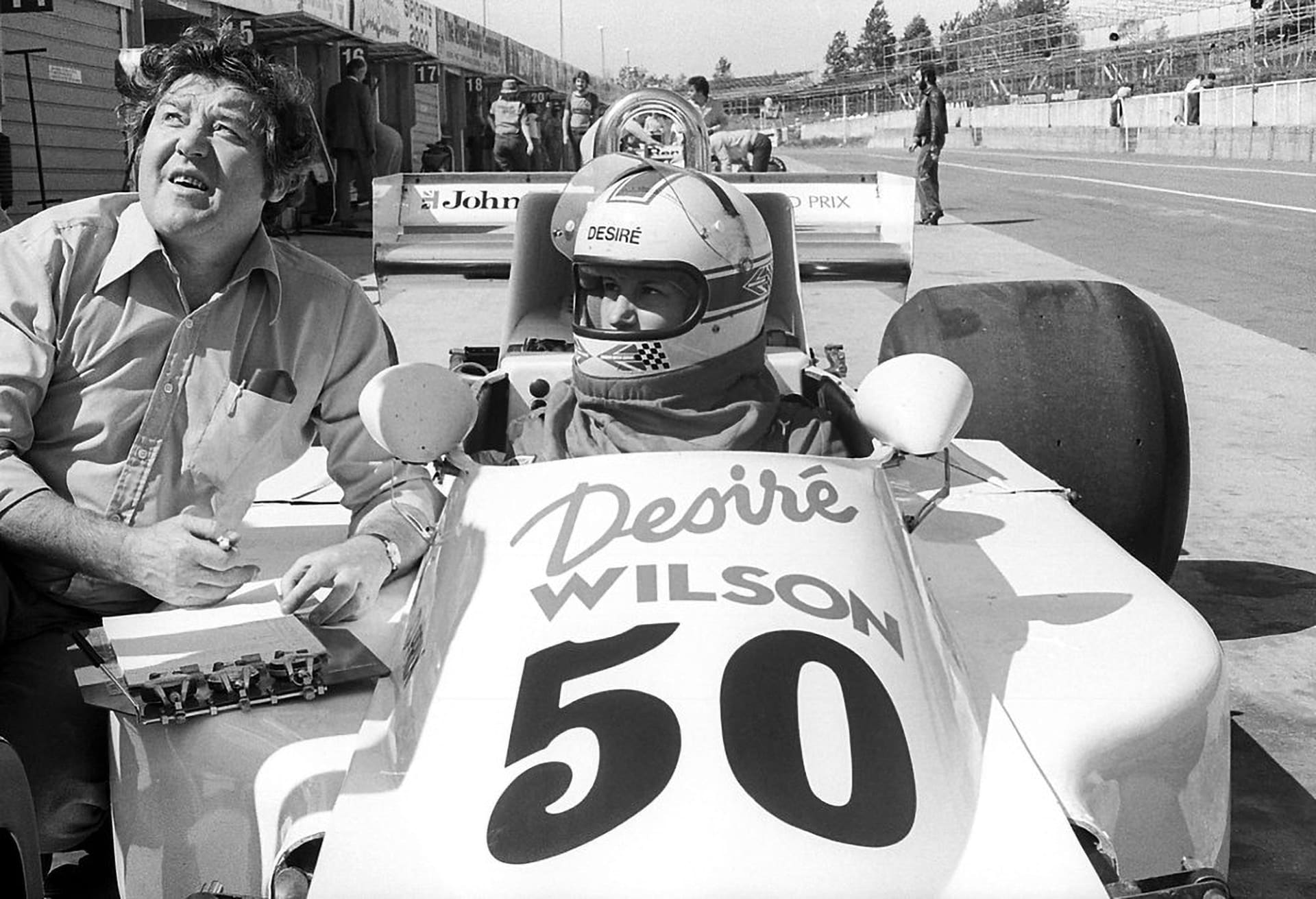
Paddock Hill bend, 1980 – a South African driver leads into the first corner and never looks back, still the only woman to win in a Formula 1 car.
What becomes of Formula 1 cars when they are no longer competitive? Many end up forgotten beneath a dust sheet, waiting to be displayed at some event. Others enjoy a happier kind of old age: Masters Racing Legends puts Formula 1 single-seaters from 1966 to 1985 back on the grid, the Grand Prix de Monaco Historique sees the three-litre cars of the seventies racing again, the Goodwood Revival brings earlier-era Formula 1 machinery back to the English circuit, and Ferrari offers a different experience altogether through the F1 Clienti programme, which allows a select group of owners to drive authentic Ferraris that once competed in the World Championship, with full factory technical support. In short, the Formula 1 cars of the past survive today thanks to collectors, specialists, and organisers who preserve their heritage. Even if the spirit is that of real racing, in practice the groupings that mix cars from different years make it difficult to return to genuine competition. Moreover, with the sophistication of more recent machinery, running them has become virtually impossible: putting a current single-seater in race condition requires dozens of people, engineers included.
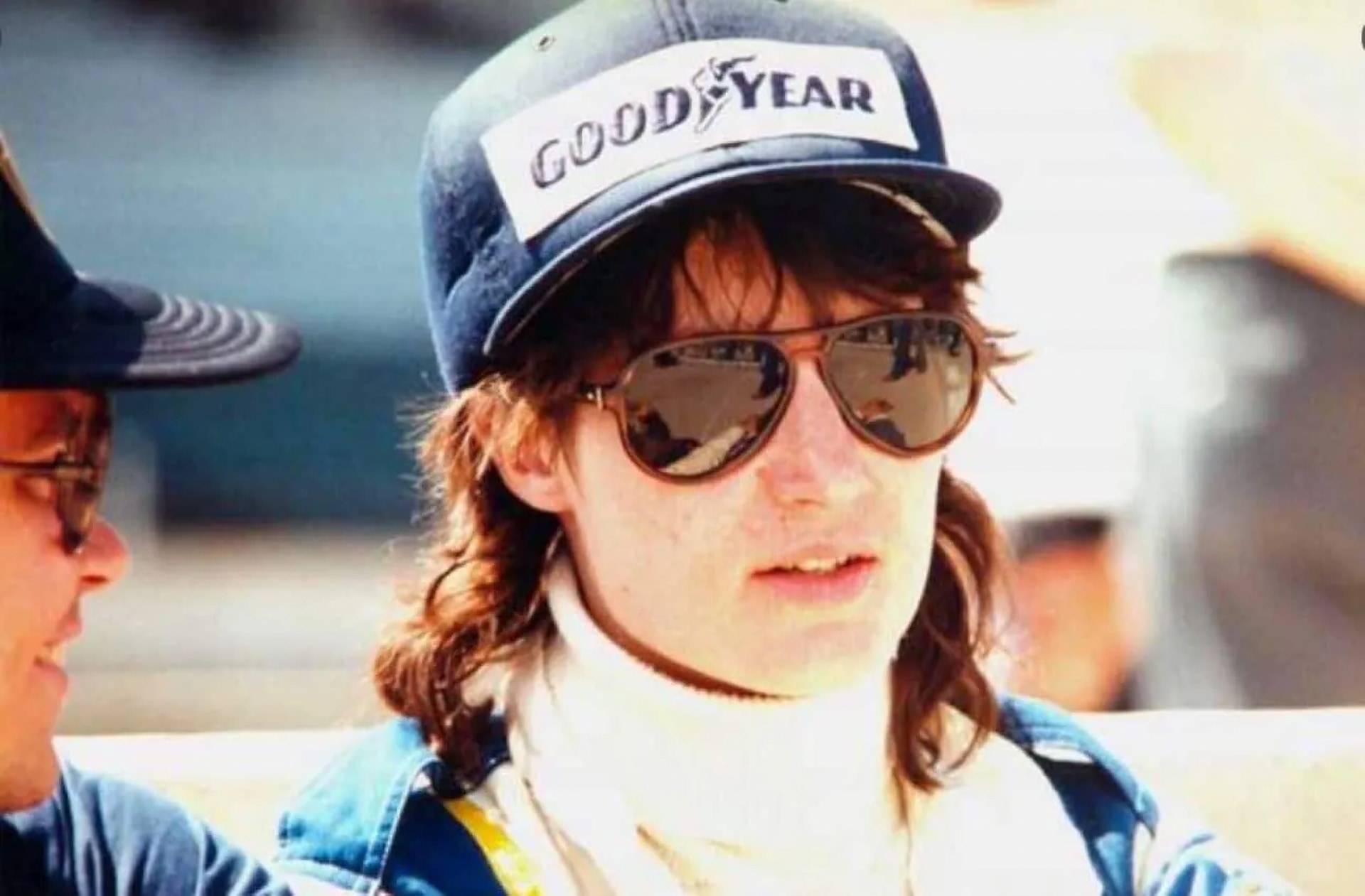
It was not always so, particularly in the years of the normally aspirated 3,000 cc engines. In 1978, on the initiative of British promoter John Webb, the Aurora AFX British Formula One Championship was born. On the grid were McLaren M23s, Arrows, Lotus, Wolf, Williams, and other single-seaters from previous World Championship seasons, alongside a class reserved for Formula 2 cars. Races were held mainly at British circuits such as Brands Hatch, Oulton Park, Mallory Park, and Silverstone, with occasional trips to the continent. It was a second competitive life for the machinery and, often, a first real opportunity for the drivers. That opportunity was partly a function of the engineering: many cars ran the Cosworth DFV, a normally aspirated three-litre V8, widely available and well understood by race preparers. Manual gearboxes, mechanical adjustments, and aerodynamics far less sophisticated than those of today made the single-seaters relatively more manageable. They were not easy cars, nor cheap in absolute terms, but an independent team with a small group of specialists could buy a genuine Formula 1 car, maintain it, and contest a championship that offered an immediate continuation of the sporting life of machines that were still comparatively recent.