Cars
Ferrari’s Technological Innovations Part 4: 1960 - From Overhung Clutch to Small 1000cc Four-Cylinder
Ferrari embraced innovation in the 1960s, from V12 engines with a 65° angle to rear-engine Formula 1 cars. The small 1000cc engine project, though technically brilliant, struggled commercially due to its high cost and lack of Ferrari branding.

Innovative yet traditional, Enzo Ferrari realized that in just ten years, he had achieved global fame and reputation. He understood that growing too fast would be a risk. Although he was reluctant to delegate power to others, he created an internal structure with proven leaders. At the top of the Technical Department, he chose Carlo Chiti, a Tuscan engineer from Alfa Romeo. It's 1957, and many things are changing in racing, but Ferrari struggles to accept them. For example, disc brakes, which only he and Mercedes still avoid using, and the rear-engine concept, which Ferrari refuses to adopt, along with opportunities to reimagine the role of aerodynamics.
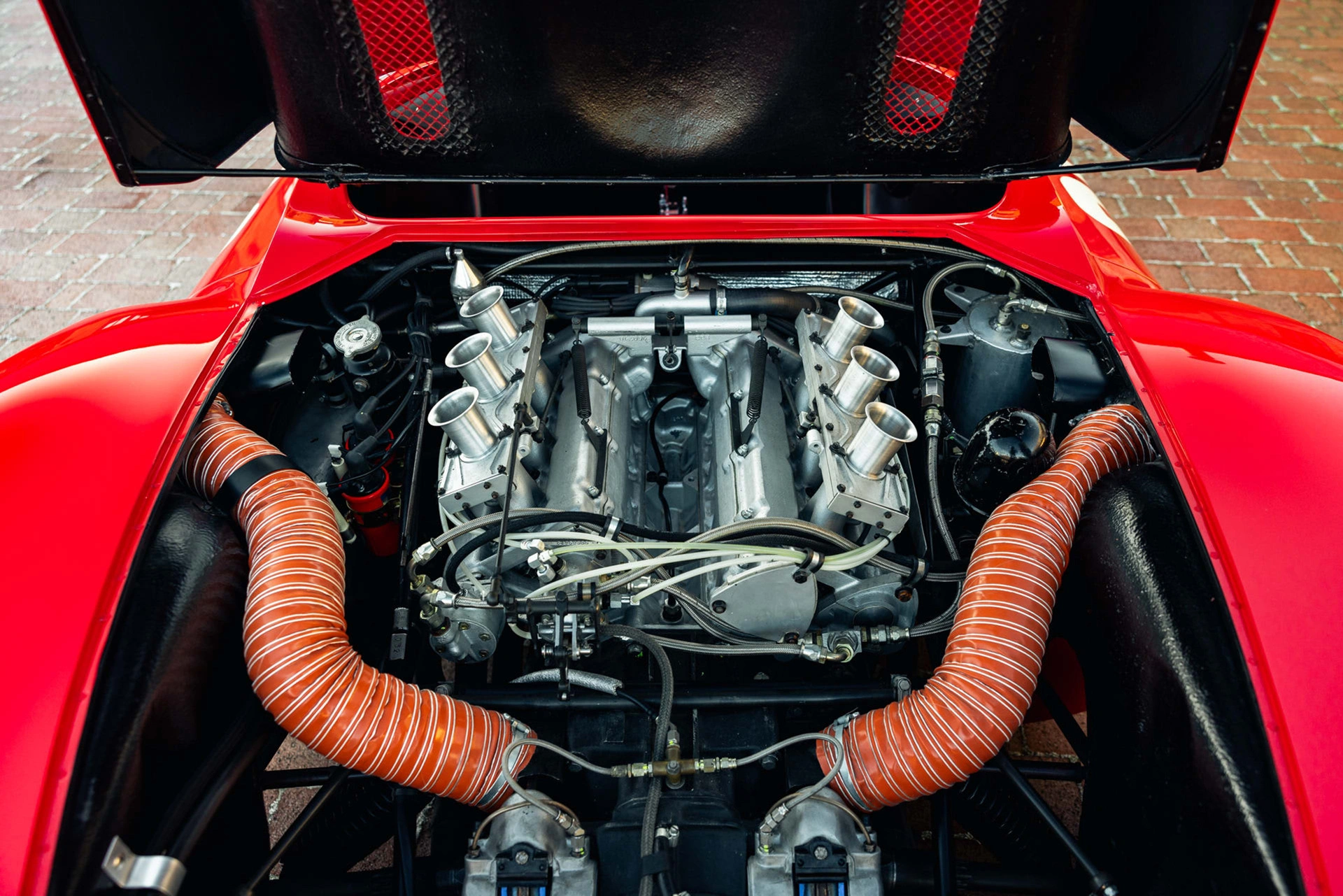
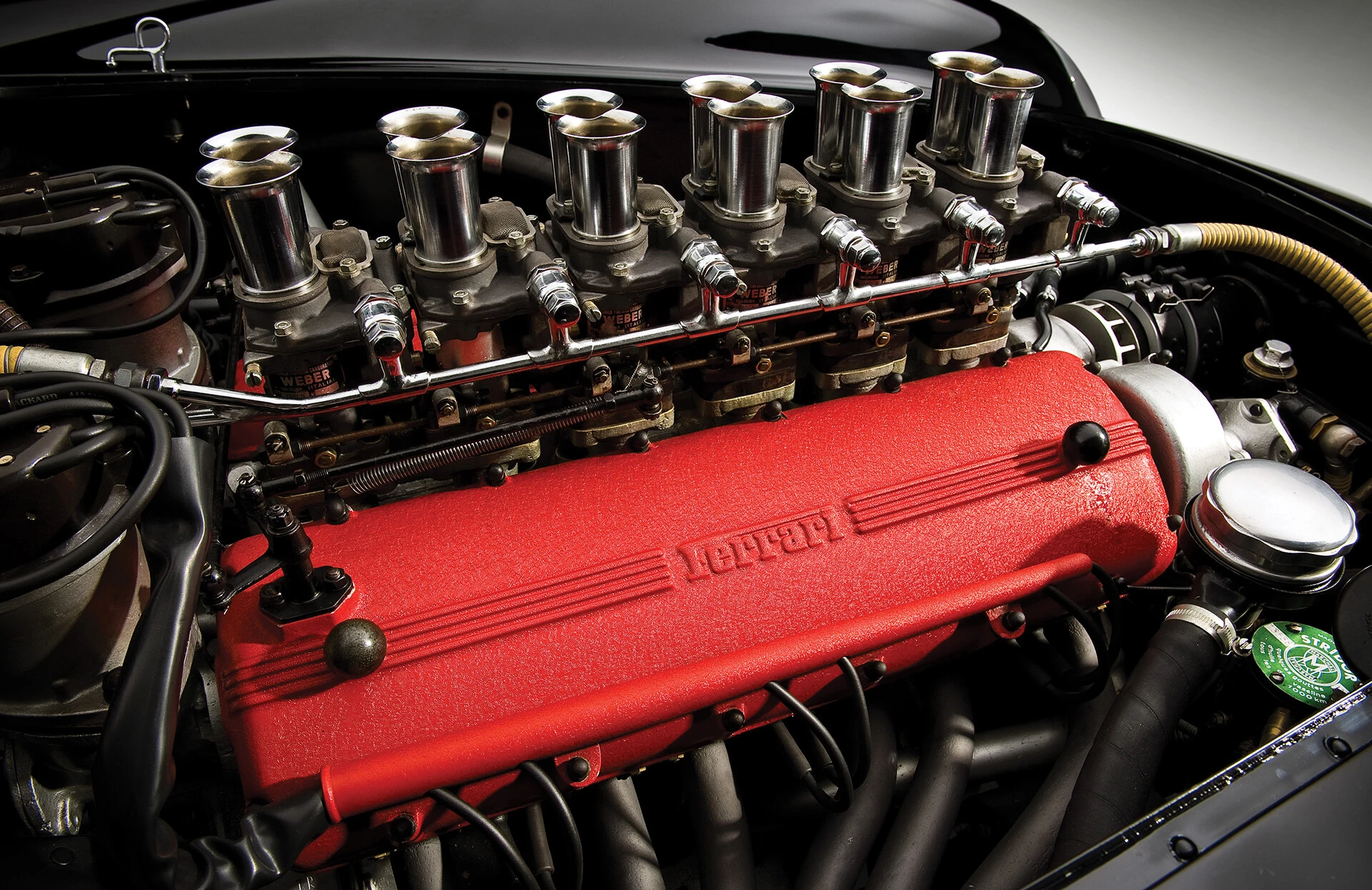
Speaking of innovation, one might think it was a concession. But it wasn’t. With the support of Chiti and an excellent technical team (as always), Ferrari embraced new developments, pushing innovation as far as possible. The first step was the successful implementation of the 65-degree V for the Dino, which lowered the center of gravity and allowed auxiliary components to be placed centrally. This angle was also applied to evolve V12 engines, benefiting both competition, as demonstrated by the global success of the 250 GTO, and the production of road cars, which represented a significant business for the company. The importance of the 65° V was reaffirmed in 1992, when Ferrari returned to front-engined GT cars like the 456 GT, and again in 1996 with the 550 Maranello, both of which featured a 65° V12 engine.