Cars
The Queens of the 1000 Miglia: the Lancia D24 Lives Again with Roarington
Eleven wins from 17 starts – the Lancia D24’s brief, brilliant career, now explored through Roarington’s Digital Twin.
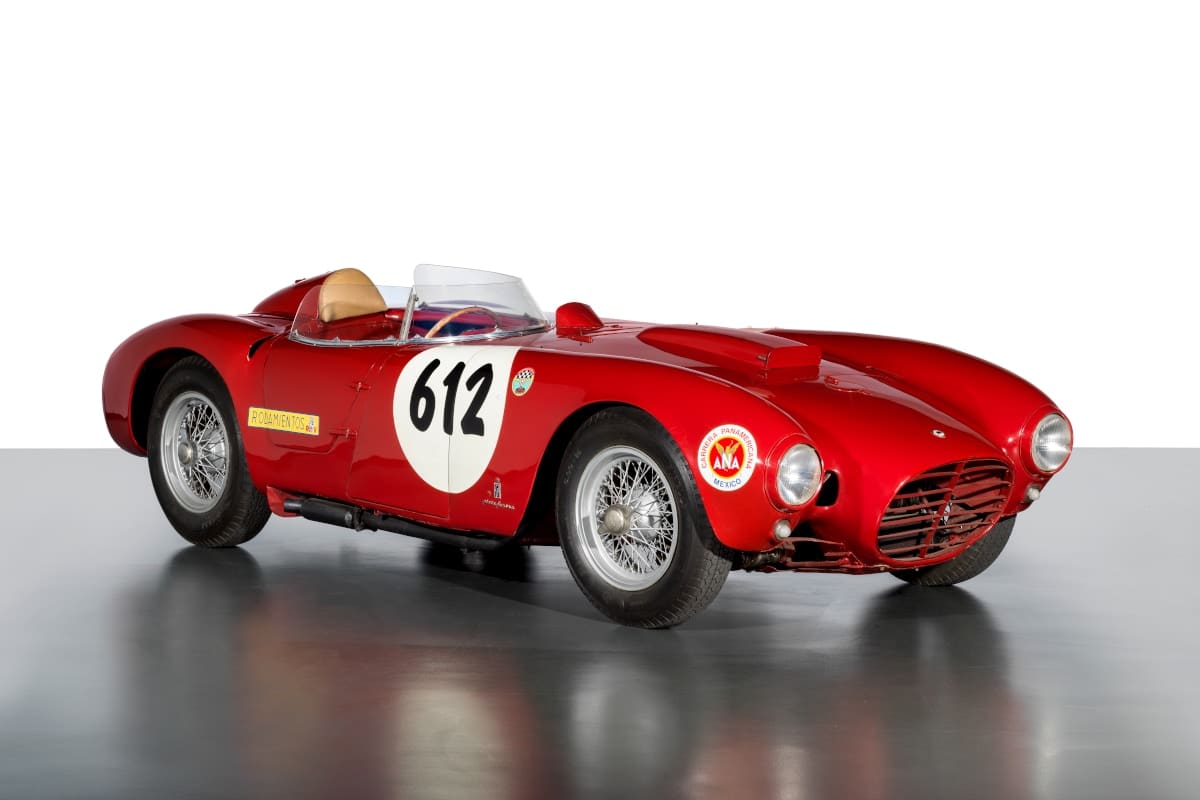
In Vincenzo Lancia’s vocabulary, the word "racing" carried a particular meaning – a challenge to be left to customers, not a tool for asserting the marque’s identity in any official sense. His son Gianni saw things differently. The victories of the Aurelia B20 had shown him how much strength a sporting success could carry, and they convinced him to attempt what his father had never wanted: to field a works team and win.
It was a revolution, but one executed in perfect Lancia style – an aristocratic marque of Turinese elegance and grand ambition. The D24, presented in late August 1953, had to take on Ferrari, Maserati, and the leading international manufacturers, and it did so without surrendering the technical refinement that had made the marque famous. And, almost as if it were a challenge within the challenge, it also had to be beautiful. Two central figures of Italian motoring were brought in to resolve the matter: Vittorio Jano for the engineering, and Pinin Farina for the bodywork and its appeal.
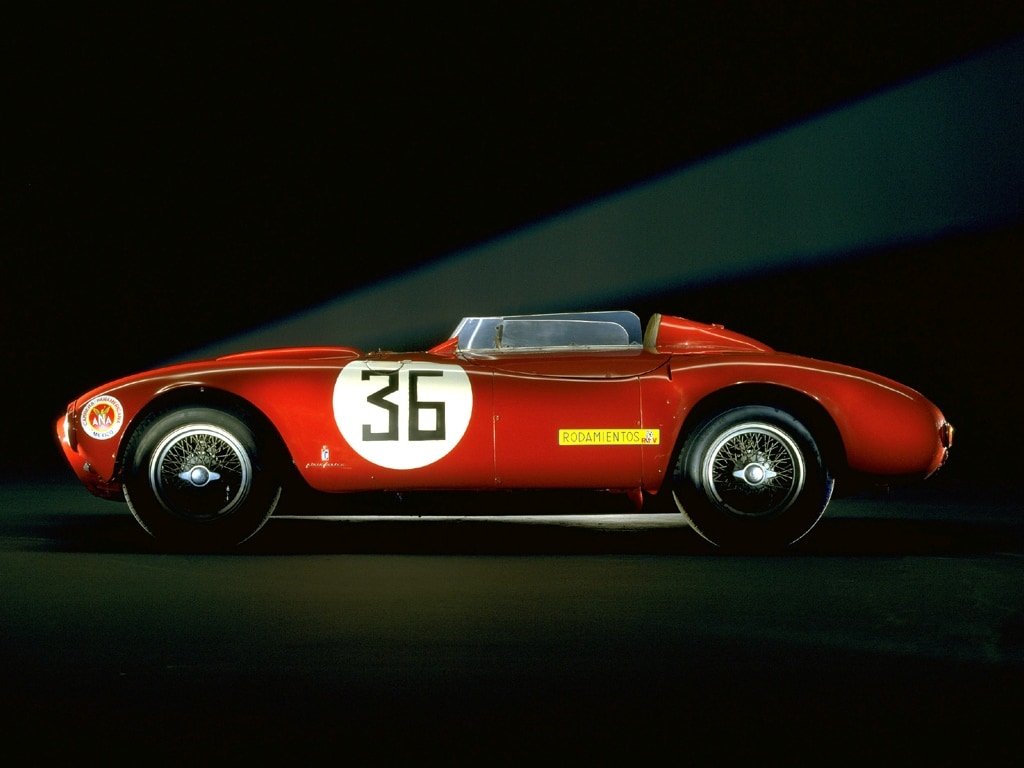
The story of the D24 is one of extraordinary speed of development. In 1953, the berlinetta D20 evolves into the D23, and the D23 becomes, within a matter of months, the laboratory for the new Sport. A shorter wheelbase, a lighter chassis, a more powerful engine: each race teaches something, and Vittorio Jano’s men transfer those lessons to the next car almost immediately. The engineering is exceptionally refined. The 3.3-litre V6 carries four overhead camshafts, twin ignition, three Weber carburettors, and a dry-sump lubrication system. All of it sits within a very light chromium-molybdenum steel tube spaceframe, designed to withstand the demands of long-distance road racing. A machine built quickly, then – but without shortcuts. Gianni Lancia wanted to challenge the best, and he placed at the disposal of his engineers everything required to do so.
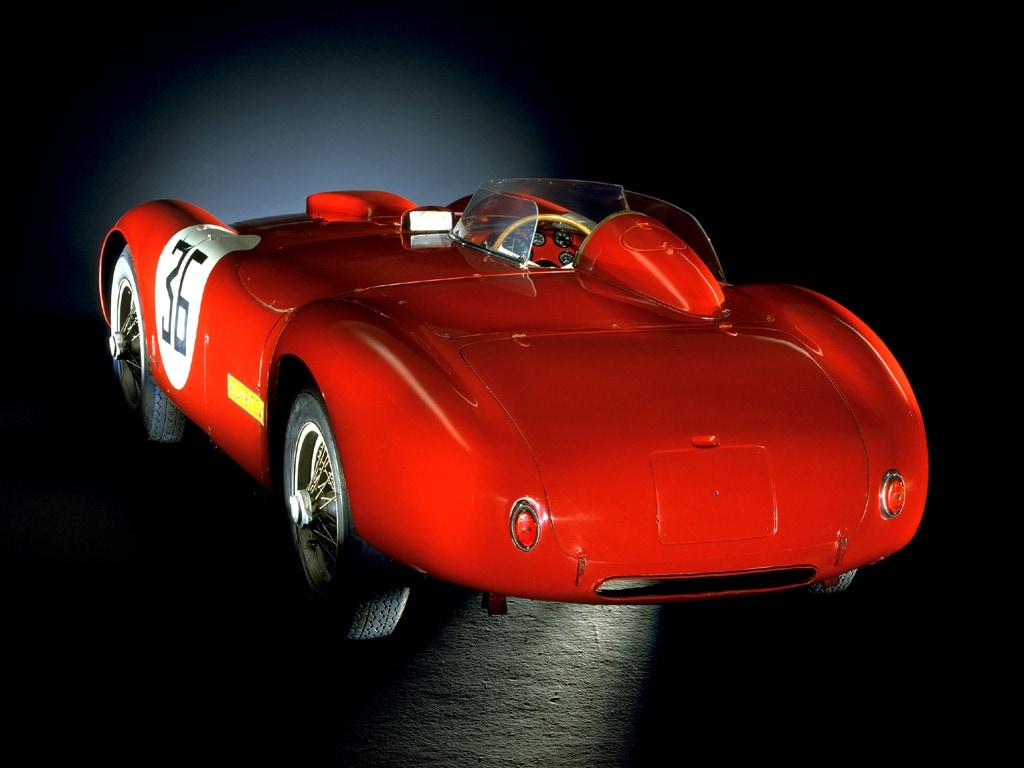
It was Pinin Farina who gave shape to so much sophistication. The result is a barchetta so low and sinuous it seems drawn by the wind. Two large headlamps close the front wings, while a wide, raked grille commands the nose. Along the long bonnet sits an air intake that is no stylistic flourish: it feeds directly into the three Weber carburettors. Every detail serves a function, yet the whole possesses a grace that is rare for a car built exclusively to compete. Perhaps that is precisely the D24’s secret: beneath a body that appears utterly simple lies complex engineering, capable of working at its limit for hours at a time. And when the moment came to measure itself against its rivals, beauty was certainly not its only argument.
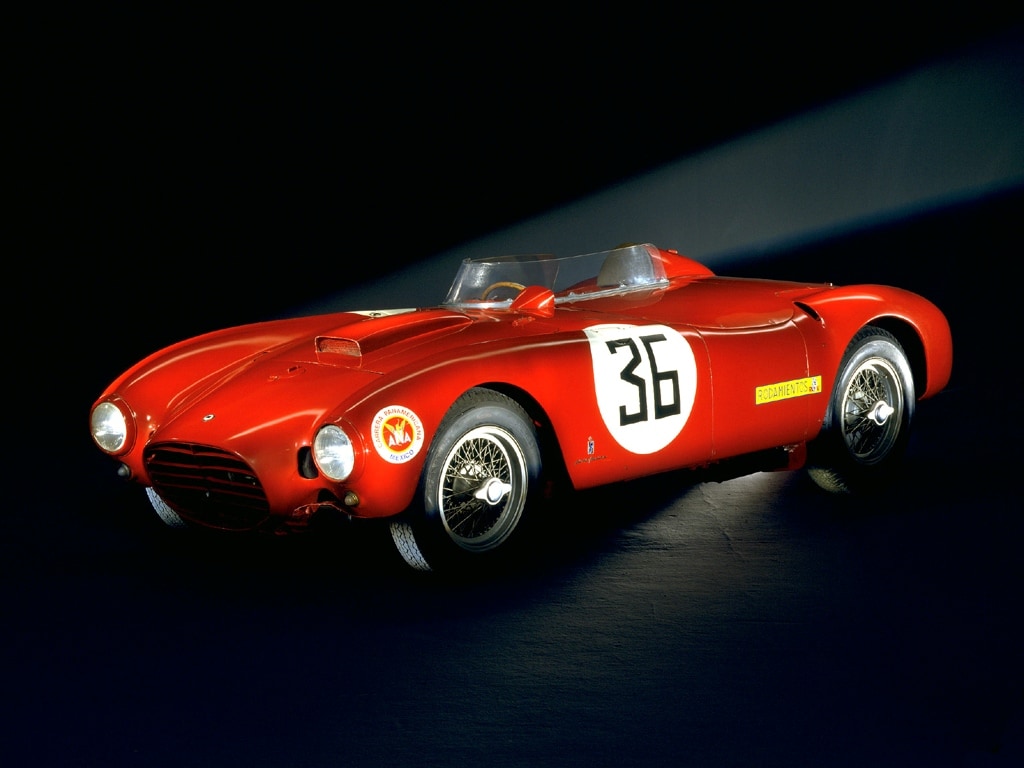
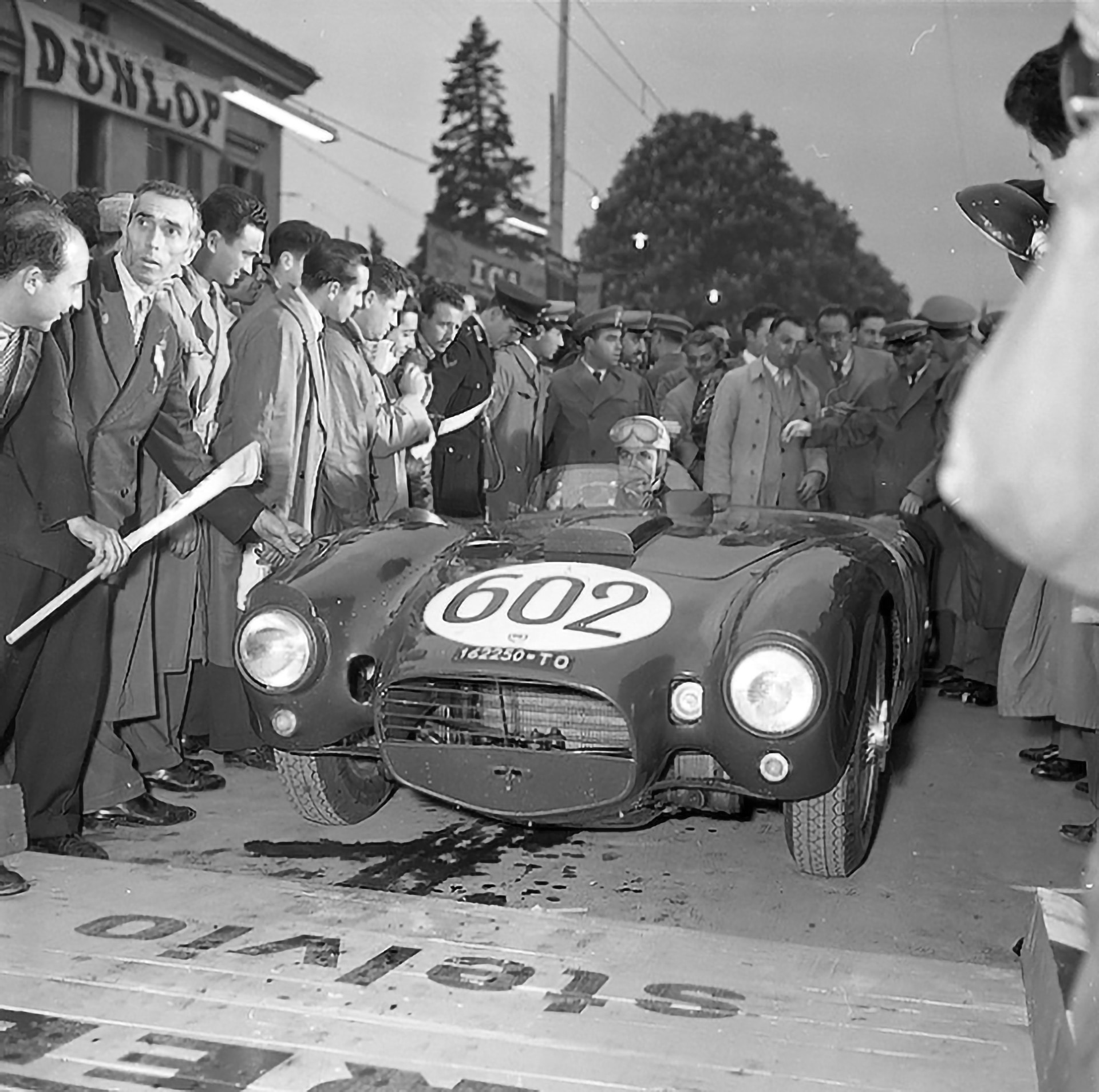
After its debut at the 1,000 Kilometres of the Nürburgring in November 1953, Lancia fielded no fewer than five works cars – two D24s and three D23s – in the gruelling Carrera Panamericana in Mexico. The race crossed more than 3,000 kilometres of Mexican roads in a stage-by-stage test of endurance for men and machines alike. The result was remarkable: Juan Manuel Fangio first in the D24, Piero Taruffi second in another D24, Eugenio Castellotti third in the earlier D23. It was an international consecration, yet one marked by tragedy: Felice Bonetto lost his life during the race while running at the front. The following year, the most anticipated appointment was the 1000 Miglia. Alberto Ascari, twice Formula 1 World Champion with Ferrari before leaving for Lancia, drove D24 number 602 across 1,597 kilometres in 11 hours, 26 minutes, and 10 seconds. He won by more than half an hour over the distinguished Ferraris of Marzotto and the Maserati of Musso. Later that same month of May – on 30 May – it was Piero Taruffi who added another jewel to Lancia’s roll of honour, winning the Targa Florio in the D24. The D24’s overall record speaks for itself: 11 victories from just 17 races contested during its active life. A very brief career, an enormous legacy.
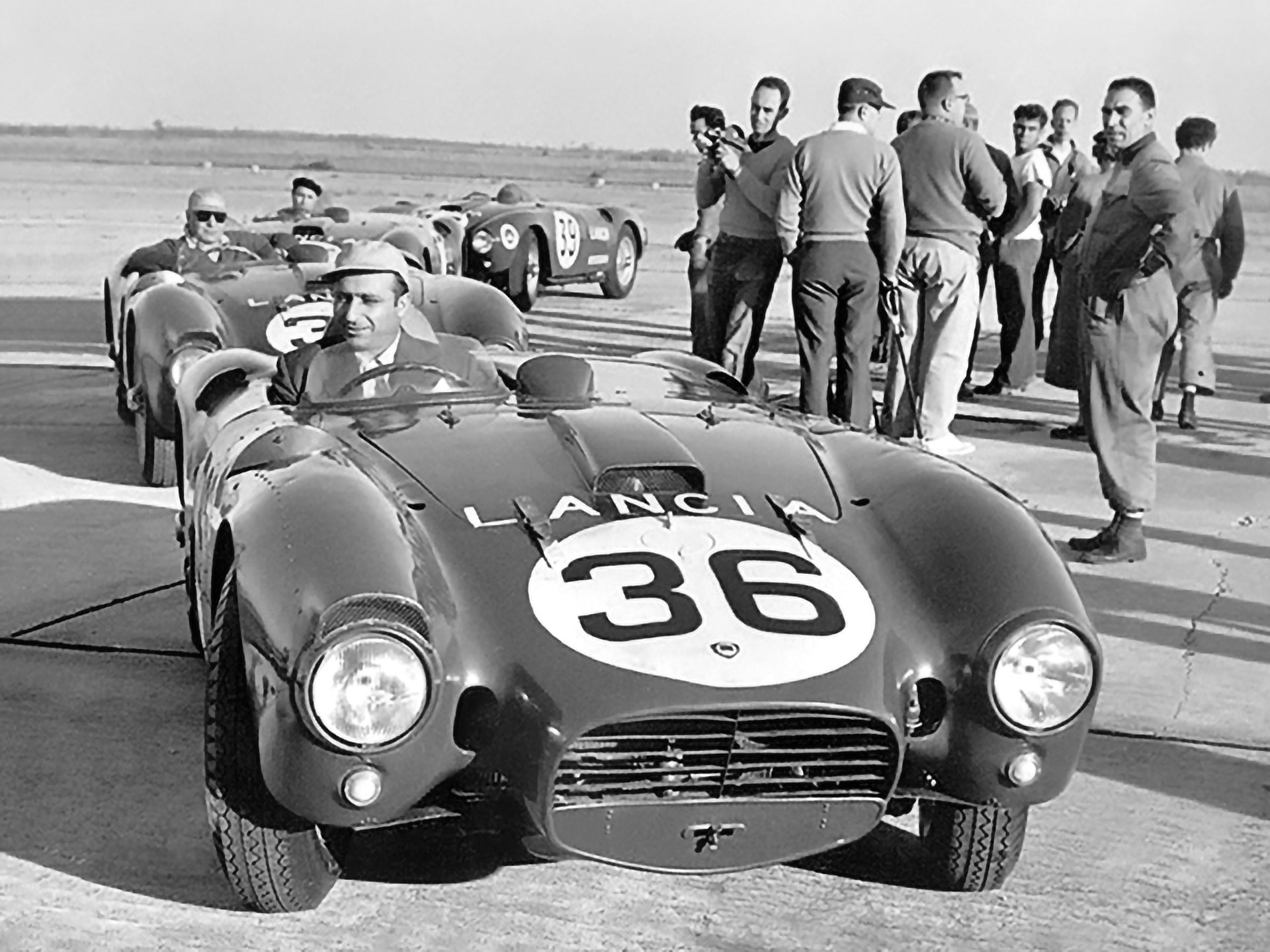
The quality and reliability of the car pushed Lancia toward the step that would prove its undoing: entering Formula 1. The D50 showed itself to be as competitive as it was fragile in the early stages. In early 1955, after its debut in late 1954, it was on the verge of winning the Grand Prix of Monaco when Ascari went into the harbour at the chicane. It was an omen: the pace of that sporting programme had exacted a very high price, and the results on track were not enough to offset a financial burden that road car sales could not sustain. Gianni Lancia was forced to surrender the dream, handing the D50 single-seaters and the entire technical patrimony of the Formula 1 programme to Ferrari at no cost. Vittorio Jano, the designer of the car, also made his way to Maranello – where the D50, modified and adorned with the Prancing Horse badge, would carry Juan Manuel Fangio to the 1956 world title.
The Lancia D24, one of the jewels of the Mauto in Turin, lives on today through Roarington’s Digital Twin, which allows you to explore every detail up close and discover the history and curiosities of the car within the 1000 Miglia Experience. One click: world.roarington.com