Cars
The Queens of the 1000 Miglia: Cisitalia 202 – Speed and Art
Wind-formed and hand-built, the Cisitalia 202 carried a tuned Fiat four into legend – and eventually into MoMA’s permanent collection.
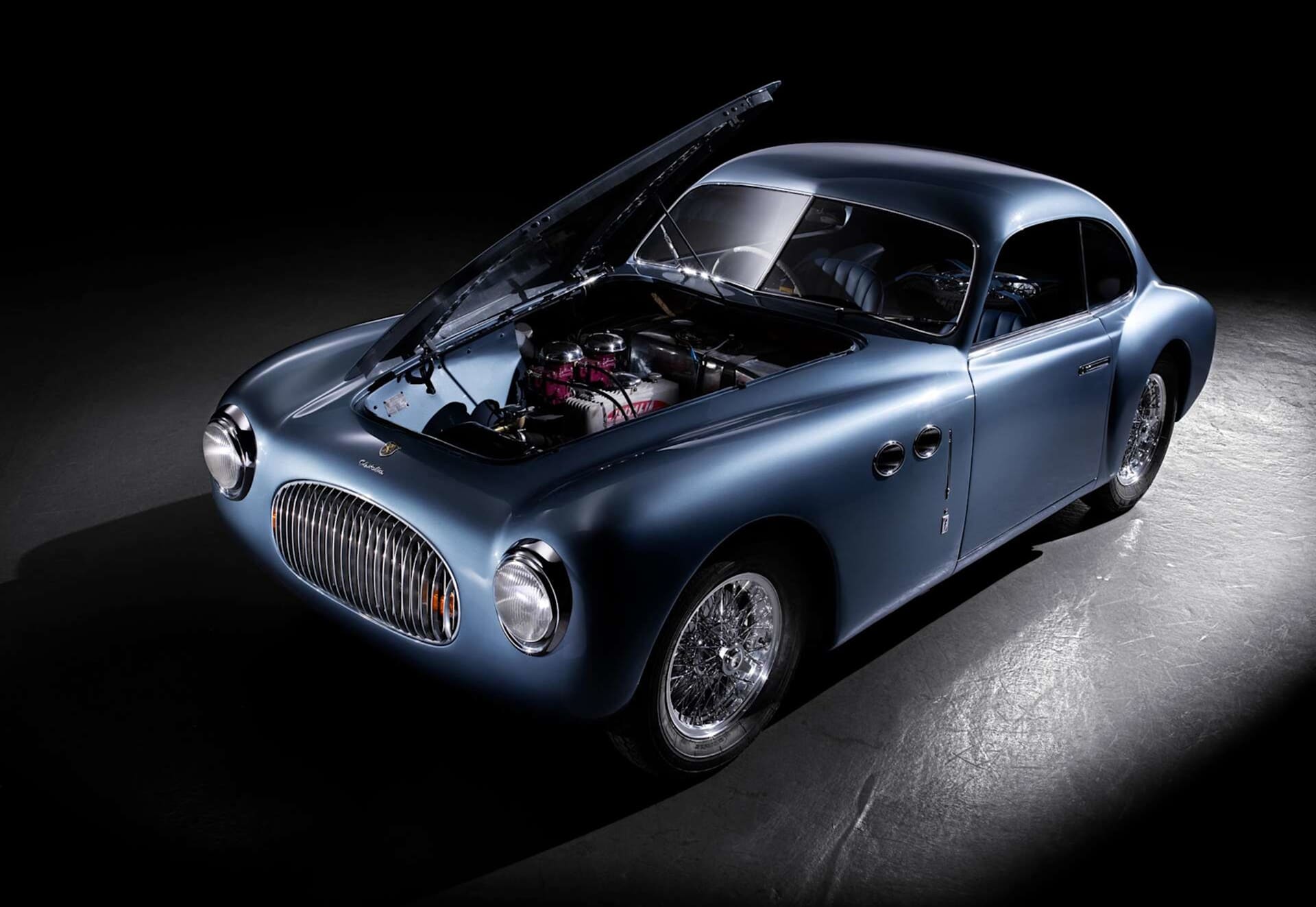
Art is not mass-produced. Art demands an artist, a workshop, a freedom to see and interpret that flows from intuition, skill, and emotion. It is no coincidence, then, that the automobiles celebrated by the world as works of art are connected to great names such as Ferdinand Porsche, Rudolf Uhlenhaut, Mauro Forghieri, and Sergio Scaglietti, to name but a few.
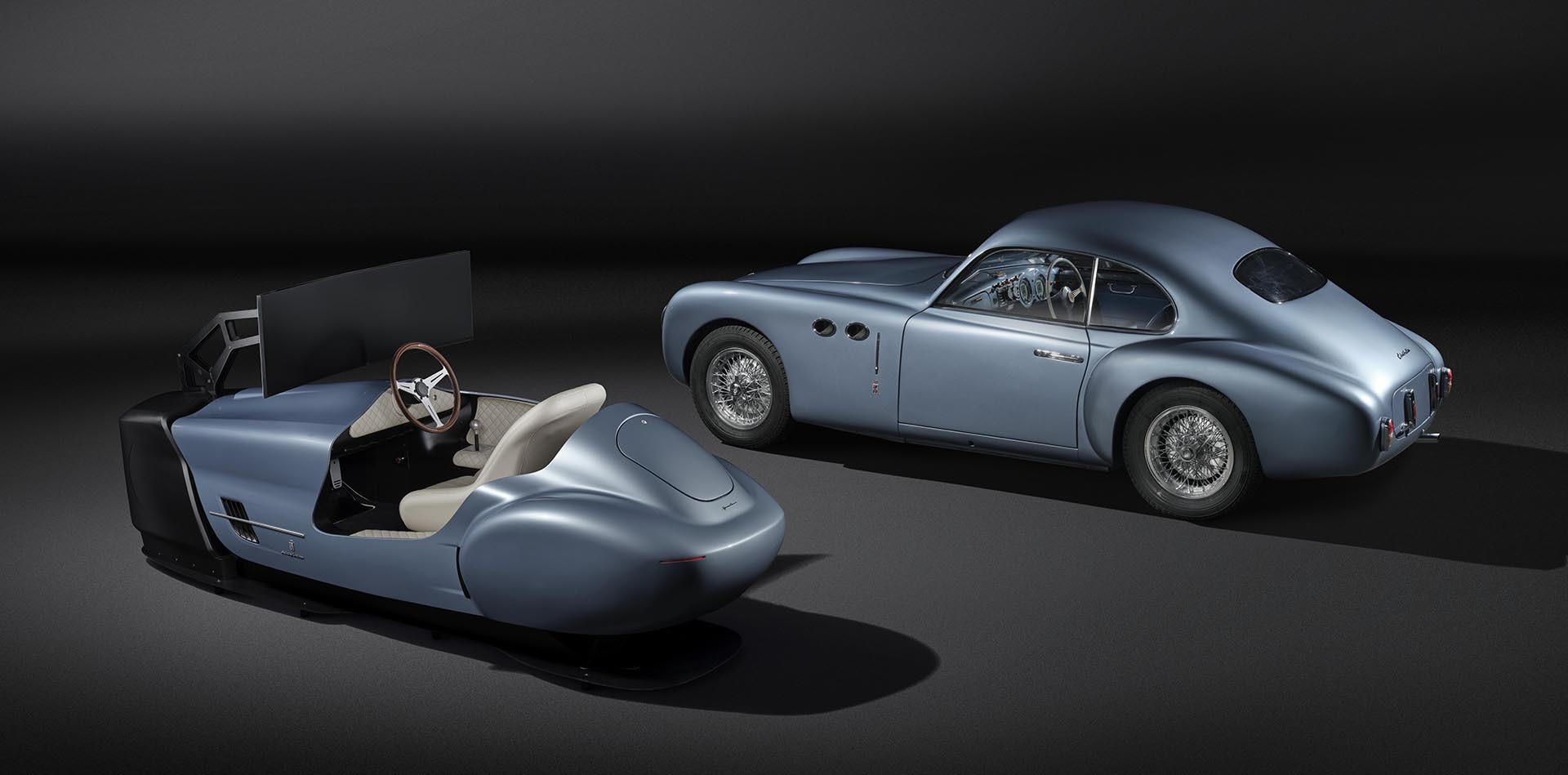
Everyone knows that the Cisitalia 202, exhibited in 1972 by the celebrated MoMA – the Museum of Modern Art in New York – was described as "sculpture in motion," yet very few know that its purist line was the result of a complex journey intertwined with the demands of competition. Many artists, one result, for ever.
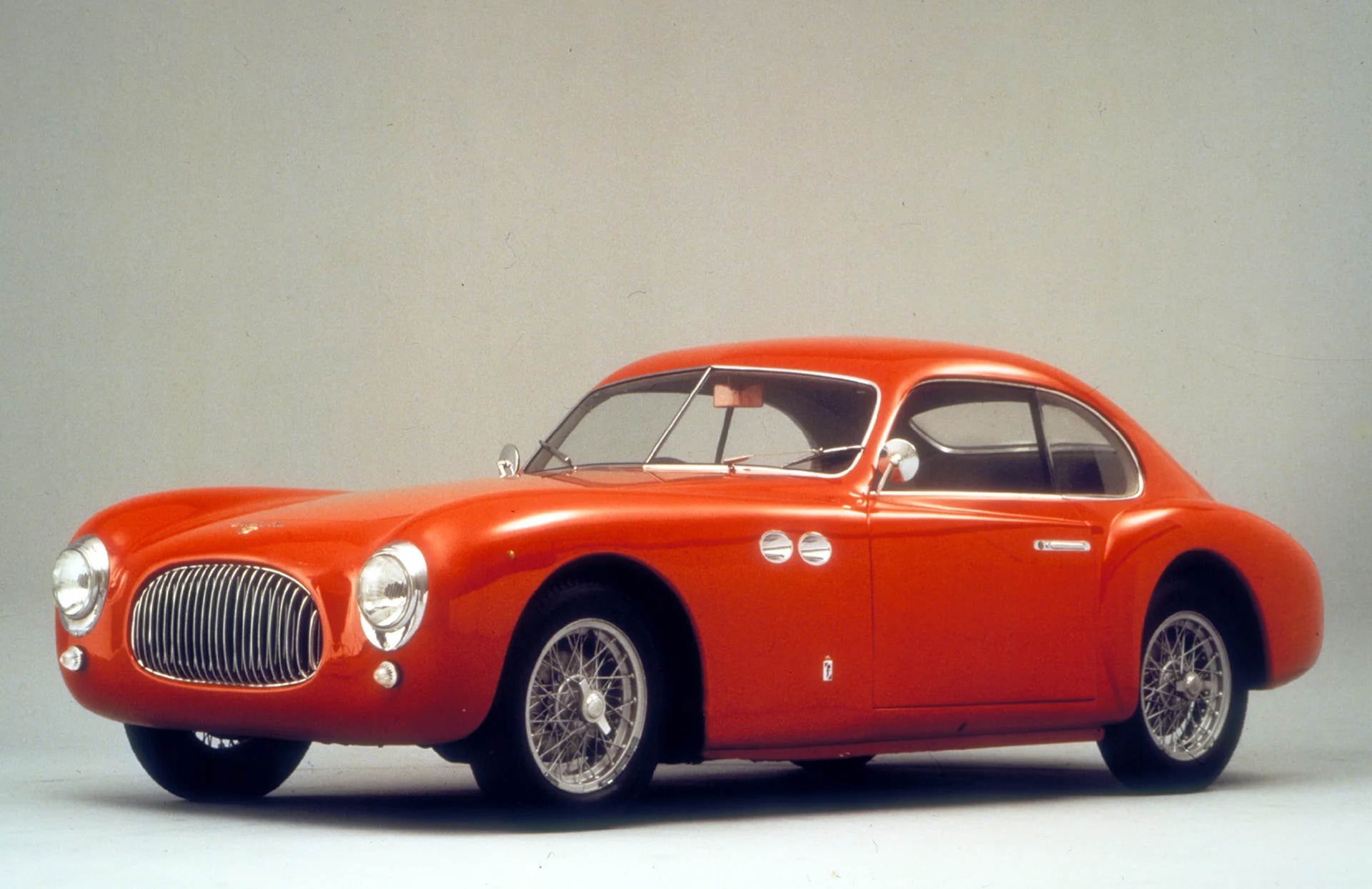
In the immediate postwar years Turin hummed with energy among engineers and drivers, all eager for racing to return. These were not easy times, and money was scarce, but passion can sometimes help find the necessary funds. It was a prosperous Turin entrepreneur who rose to the challenge: his name was Piero Dusio, and he dreamed of becoming a manufacturer, rightly sensing that postwar reconstruction would bring the automobile within reach of ever more people. Dusio had one magnificent flaw, however: he loved racing, and he competed on track himself. So the first car from "his" Cisitalia, founded in 1946, was a single-seater – not exactly what the market might have called for, but certainly a shrewd move for gaining notoriety. The small single-seater, built for monotype racing, was powered by a modest four-cylinder Fiat engine tuned to 62 horsepower – double its original output – and it raced as early as September 1946 at the Circuito del Valentino in Turin. Just seven D46s lined up at the start, among them celebrated drivers. Yet it was Dusio himself who won, a reward for his courage and determination. An injection of confidence and enthusiasm, and the foundation from which a berlinetta called the 202 would be born.
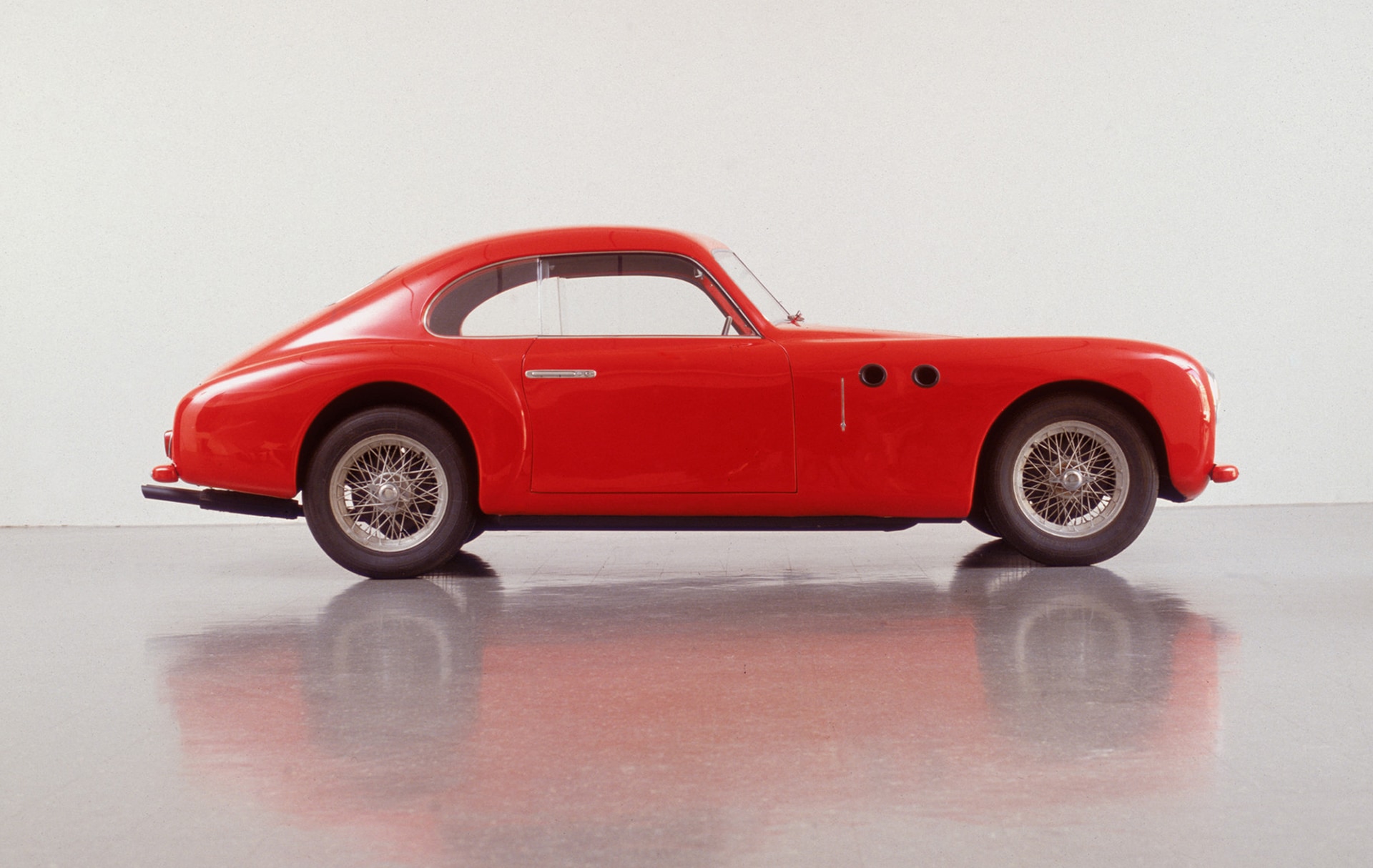
The true soul of the 202 is an engineer – the company’s technical director – who interpreted the automobile, aesthetically as well as mechanically, according to the imperatives of competition. In practice, he himself sketched the bodywork, creating a berlinetta not far removed from the one that would reach MoMA years later. His name was Giovanni Savonuzzi, and he possessed the eclecticism of a true artist. He conceived the entire silhouette – low nose, fully faired, rear wheels included, with outstanding aerodynamics – that would, once the car passed into the hands of Pininfarina, leave its mark on history. Savonuzzi brought the whole car together in an extraordinarily short time; by 1947 it was already complete: chassis, mechanicals, and even an engine of his own design. Dusio, however, insisted on retaining the tuned Fiat four-cylinder, which proved very capable nonetheless, partly thanks to the car’s lightness. The evolution of the Cisitalia was as rapid as it was inventive in form: to compensate for the engine’s modest power, Savonuzzi had the CMM "Cassone" built, with its voluminous rear end that anticipated the fastback "coda tronca" bodies of the future.
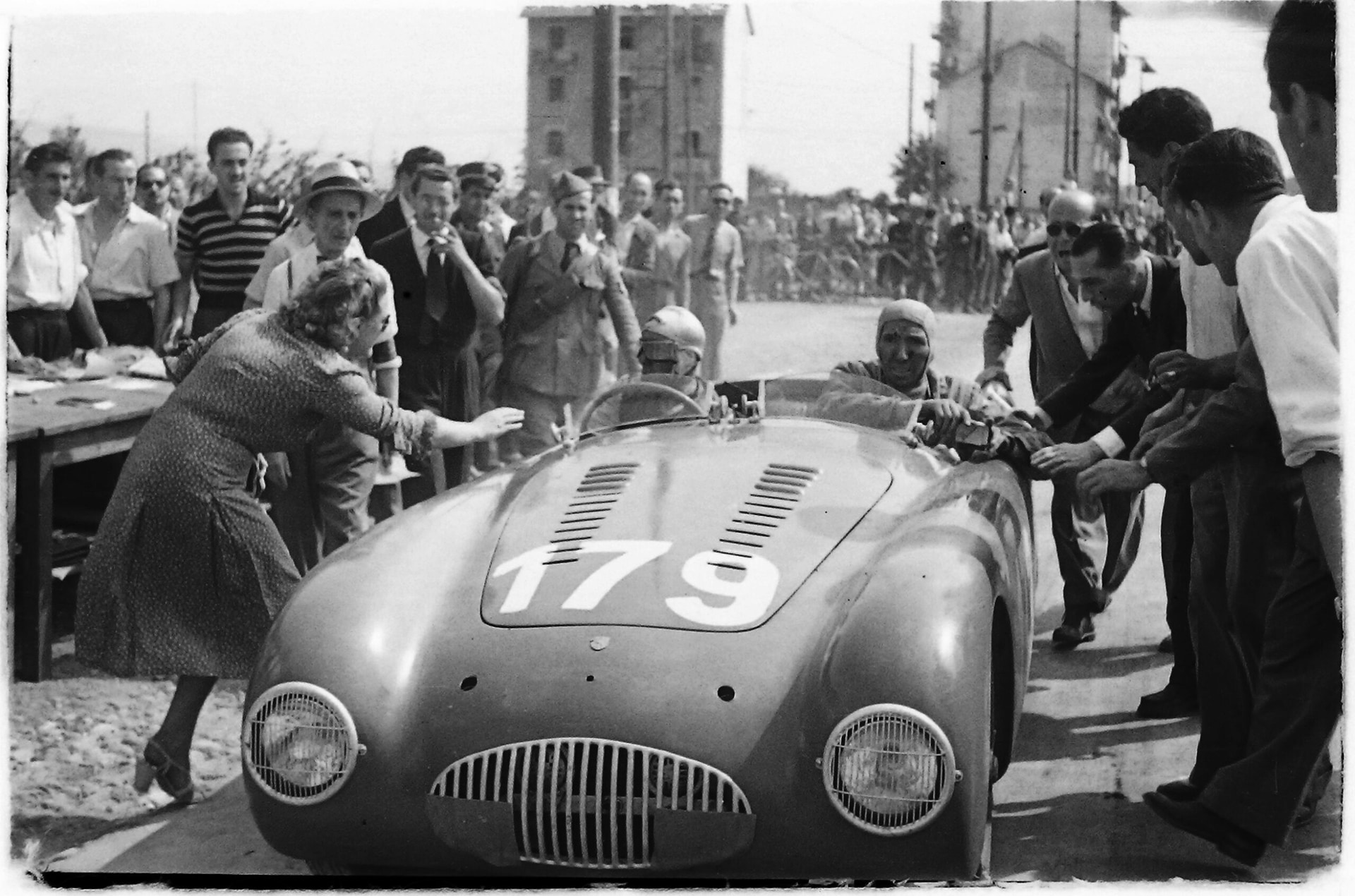
That car was followed by the Berlinetta 202 with conspicuous rear fins, and then by a version that entered legend: the 202 SMM Nuvolari. That car – today preserved by MAUTO, the museum partner of Roarington – ran the 1947 Mille Miglia and came within a breath of outright victory. It was beaten, at the very last, by an Alfa running an engine of more than double its displacement. Even so, it finished second overall and comfortably first in class. The Cisitalia’s reputation was made. It fell to Pinin Farina to finalise the bodywork, which, beyond the various experiments, had remained very close to the original. The celebrated coachbuilder’s intervention concerned essentially the rear section, softening the pronounced swellings over the wheels. The masterpiece was complete.
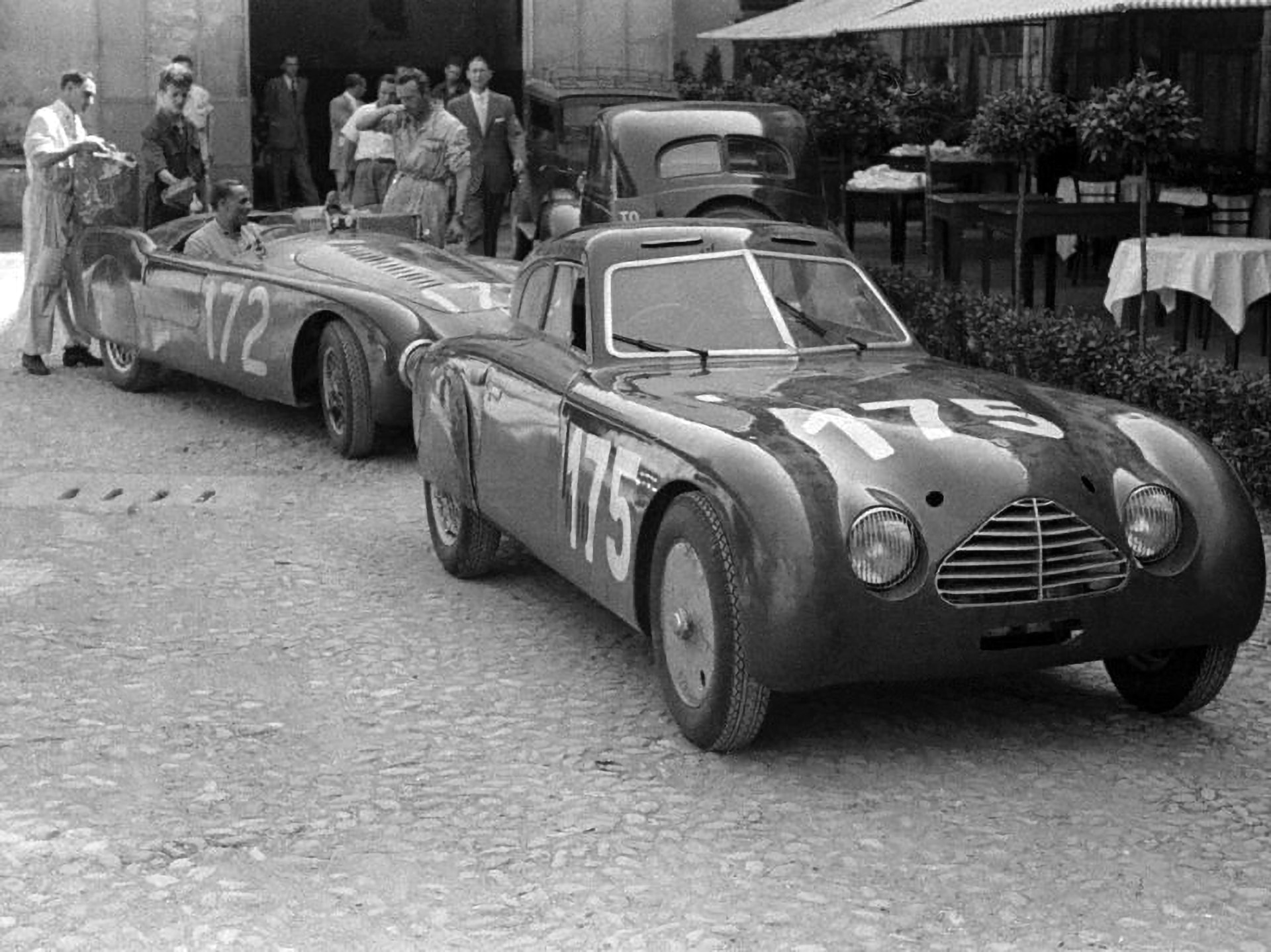
Everything looked promising until Dusio’s ambition to build his own Formula 1 car – one he intended to be the most advanced of the era – brought him to ruin. And so Cisitalia disappeared almost as quickly as it had appeared, yet its performances live on in race results and its lines live on in museums.
The Cisitalia 202 continues to exist today through Roarington’s Digital Twin, which allows every detail to be explored up close and its story and curiosities to be discovered within the 1000 Miglia Experience. One click away: world.roarington.com