Cars
The Nostalgia of Forgotten Gods: Saab, Sweden, 1945-2016
Saab began as an airplane manufacturer in 1937 and ventured into automobiles in 1945. The brand produced innovative cars like the UrSaab, 92, 93, 96, and the iconic 900. Despite strong sales, Saab faced ownership changes, ultimately disappearing in 2016.

The story of Saab begins as an airplane manufacturer in 1937 in Trollhättan, near Gothenburg, Sweden. Eight years later, a division of the company ventured into automobiles, leveraging their aeronautical expertise. The first prototype, called UrSaab, was presented in 1947, featuring advanced technical characteristics like a monocoque chassis, a drag coefficient of just 0.30 thanks to its teardrop shape and fully covered wheels. The 750cc 2-stroke twin-cylinder engine with 18 horsepower and the gearbox were sourced from DKW.
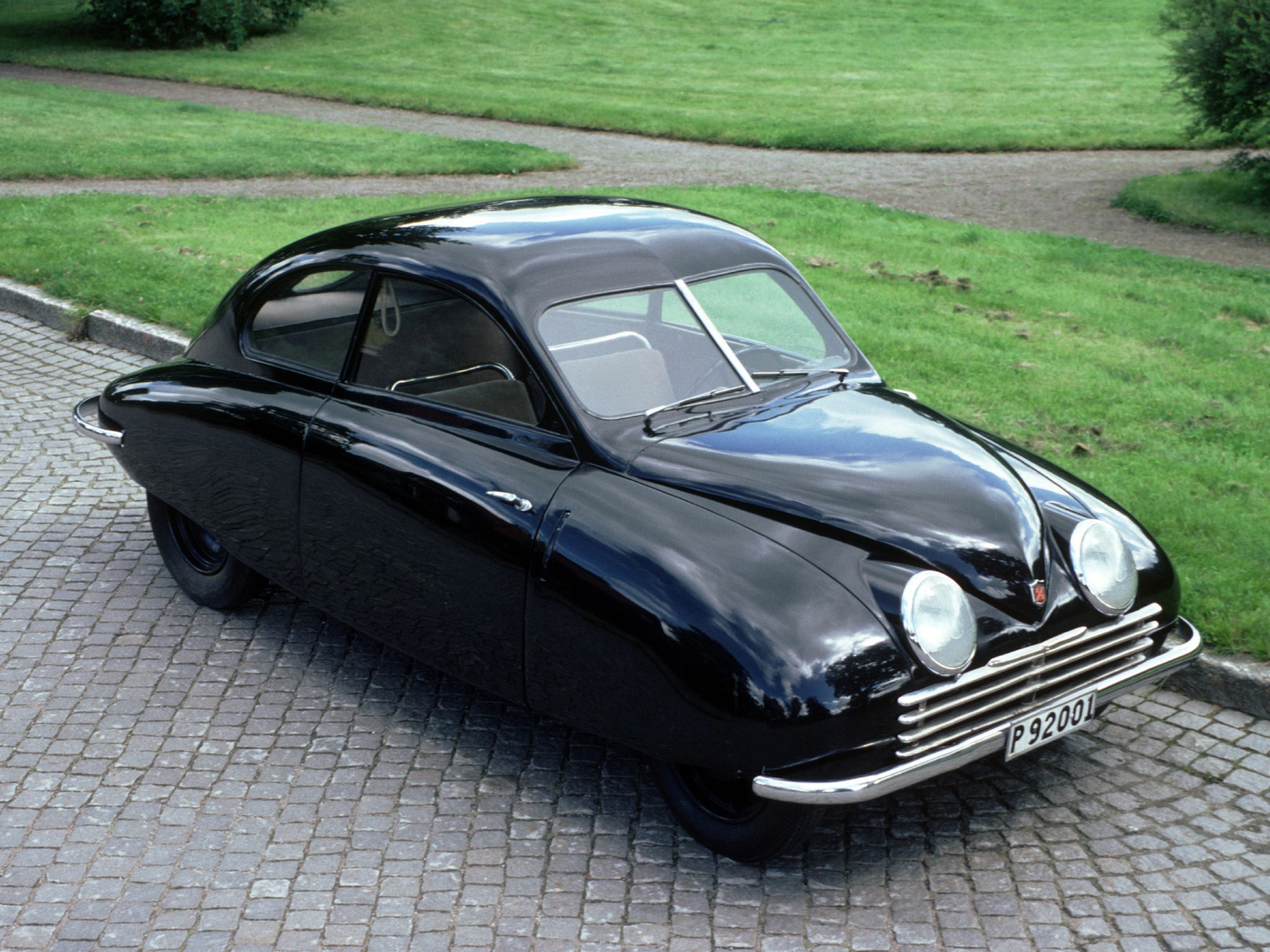
Mass production began a couple of years later, with the first Saab arriving at dealerships in early 1950. Known as the Saab 92, it was well-received by the public, with 9,000 units produced in four years, creating long waiting lists due to high demand. In 1955, the lineup expanded with the introduction of the Saab 93, a natural evolution of the 92, featuring a redesigned front and a more powerful 3-cylinder 2-stroke engine. A few months later, the 94 Super Sport or Sonett, a small sports car designed for competition, was introduced but never raced due to changing regulations.