Cars
The Nostalgia of Forgotten Gods: Hispano-Suiza, Spain, 1904-1938
Hispano-Suiza's luxury legacy, led by engineer Marc Birkigt, soared with iconic models like the Alfonso XIII and H6B, rivaling Rolls-Royce. Amidst innovation and wartime shifts, their J12 epitomized automotive excellence marking a timeless era of prestige.

Hispano-Suiza concentrated on the production of luxury cars since its inception in 1904, positioning itself as a competitor to Rolls-Royce and Isotta Fraschini. A key figure in the history of the Spanish brand is Marc Birkigt, a Swiss-born engineer who moved to Barcelona in 1899 to design electric vehicles. The idea failed and the company was bought by steel entrepreneur Damián Mateu that took over the shares, forming the Sociedad Anonima La Hispano-Suiza, a sort of joint stock company with several financiers. Birkigt maintained the role of technical director and under his leadership the brand presented in the first real Hispano-Suiza in 1904: the 20HP.
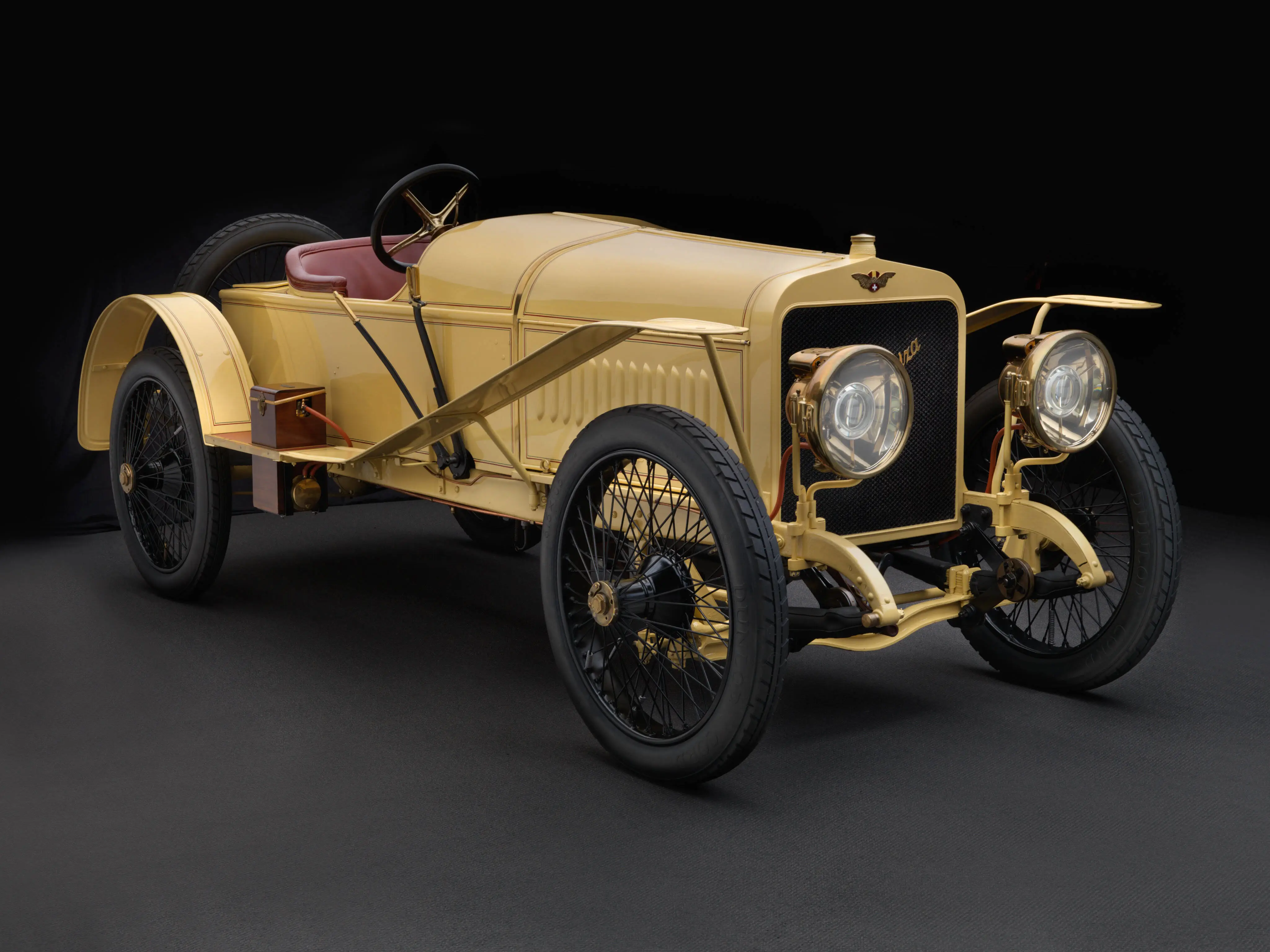
Right from the start, its manufacturing quality and design were appreciated, to the point that it received an order from King Alfonso XIII of Spain, a passionate fan of automobiles and racing. Hispano-Suiza realized the opportunity and decided to participate in racing and won the Coupe des Voiturettes in France. Success became an opportunity for marketing and Hispano-Suiza commercialized a model developed out of the racing car with a special dedication included in the model's name: The “Alfonso XIII.” The car had excellent performance: Equipped with a 4-cylinder 3600cc engine and 60hp of power, it was capable of exceeding 100 km/h.