Cars
The missing wheel
This article explores the design of cars for mass production in Europe and America in the 1930s, focusing on the influence of John Tjaarda's Briggs Dream Car, which was the inspiration for both Ferdinand Porsche’s Volkswagen Beetle.
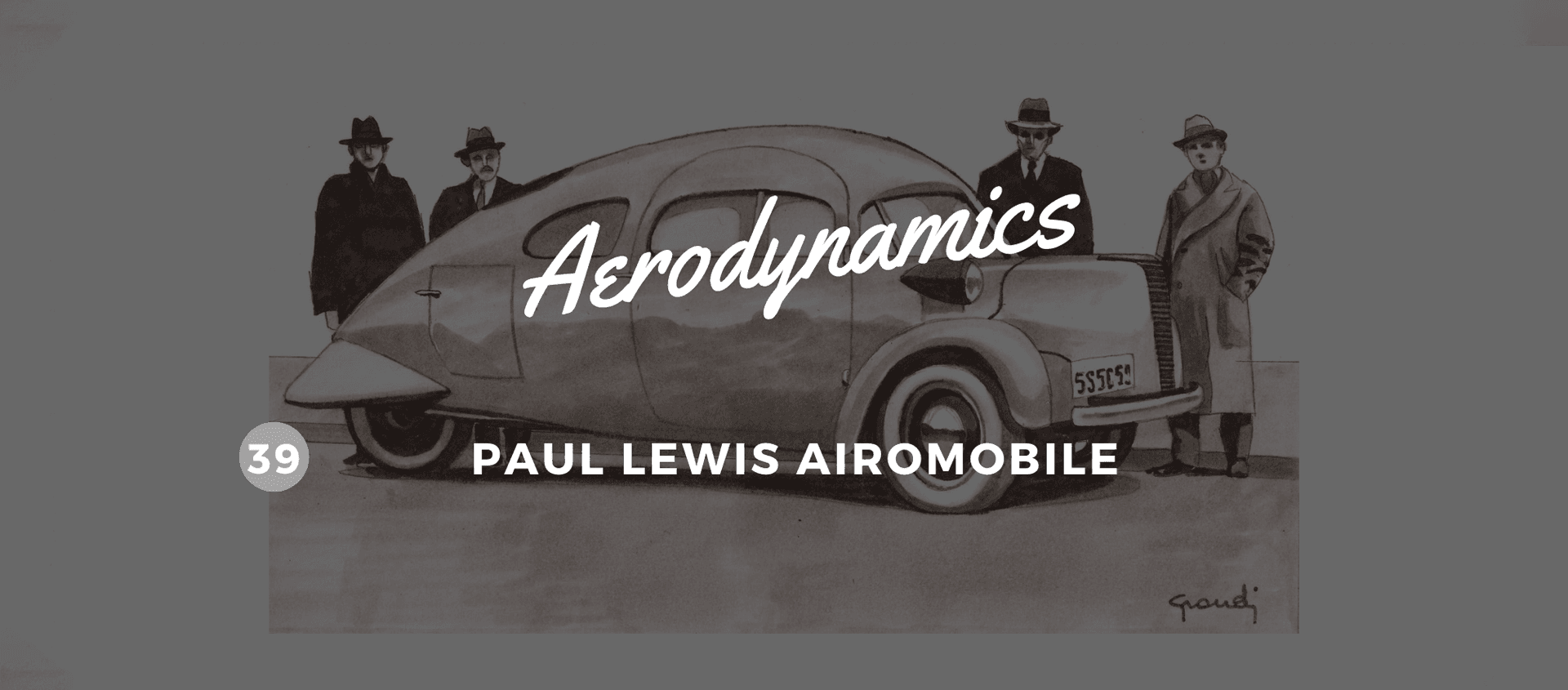
In Europe and America in the 1930s, it became increasingly clear that there was a need to design cars for mass production. In Europe, the main response, although certainly not the only one, came in the shape of Ferdinand Porsche’s Volkswagen Beetle. Across the pond, it was Paul Lewis who, without any financial support from the state, tried to come up with an answer. Both men drew inspiration from a model presented at a 1933 Chicago show by John Tjaarda, father of the famous designer Tom Tjaarda, who, after the war, went on to work for Pininfarina, Bertone and Ghia in Turin.
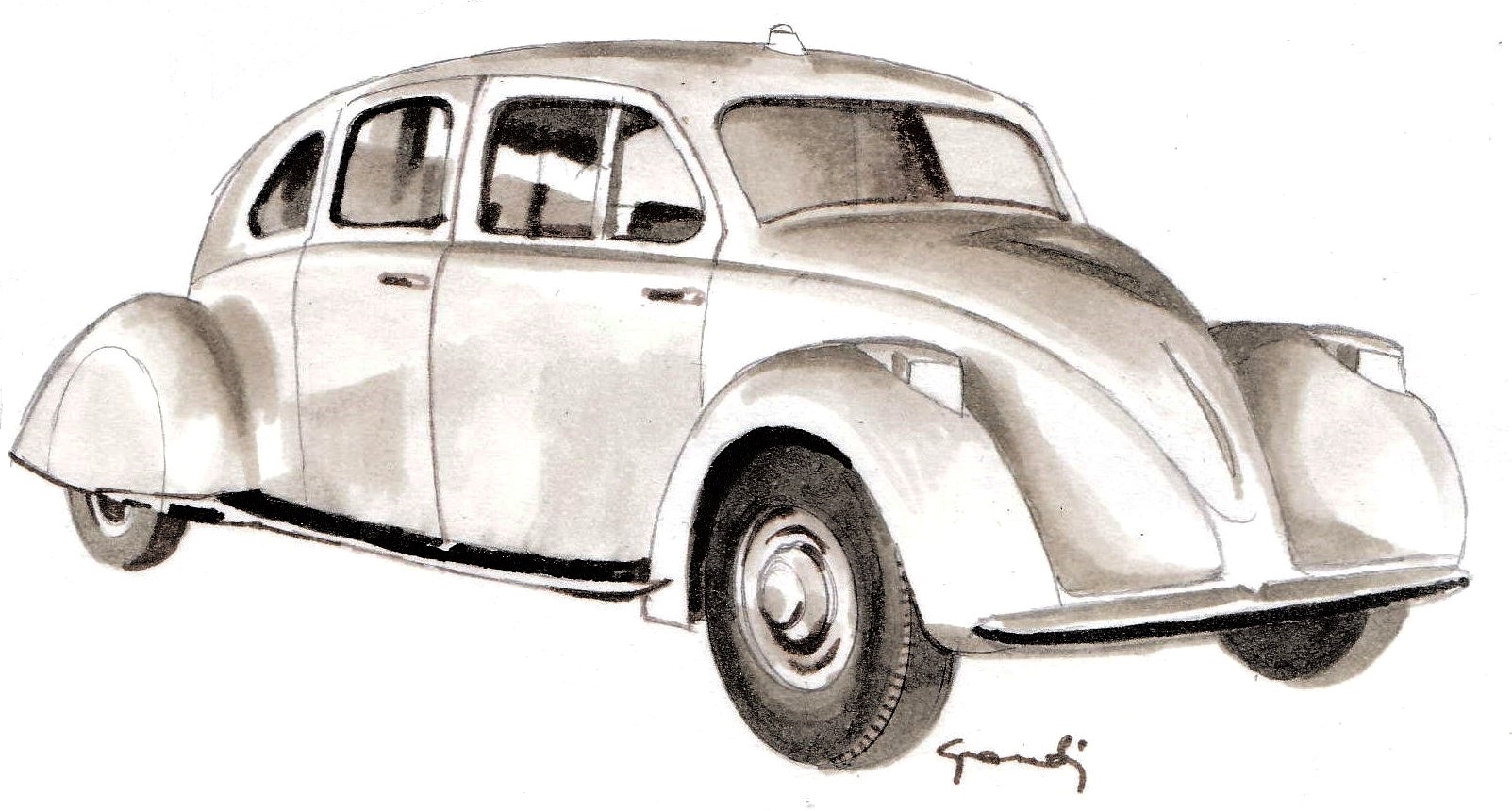 The Briggs Dream Car, designed by John Tjaarda and unveiled in Chicago in 1933. This car was the inspiration both for Paul Lewis’s design and — and as you can tell by looking at the front — for Ferdinand Porsche’s Beetle.
Called the Briggs Dream Car, this vehicle, with its fluid and aerodynamic lines, was undoubtedly Porsche’s source of inspiration for the mechanical layout of the famous Beetle and for the design of its front. Paul Lewis, on the other hand, was drawn to the concept of maximum efficiency, which led him to believe that a single rear wheel might be a simple and economical solution for the project he had in mind. Therefore, the starting point for Lewis, in his pursuit of a creation as original as it was extravagant, was the shape of the vehicle. His first designs were promising, incorporating original style ideas that lent a certain charm. Once built though, the model did not have the same effect: the decision to abandon the pure teardrop-shaped single-block construction, and introduce a front hood for the engine, detracted from the car’s esthetic appeal.