Cars
The iconic Testarossa. Why.
This article discusses the significance of the Ferrari Testarossa in car design history, particularly its iconic shape that was driven by the need to protect the large side openings for the cooling of the rear-mounted engine.

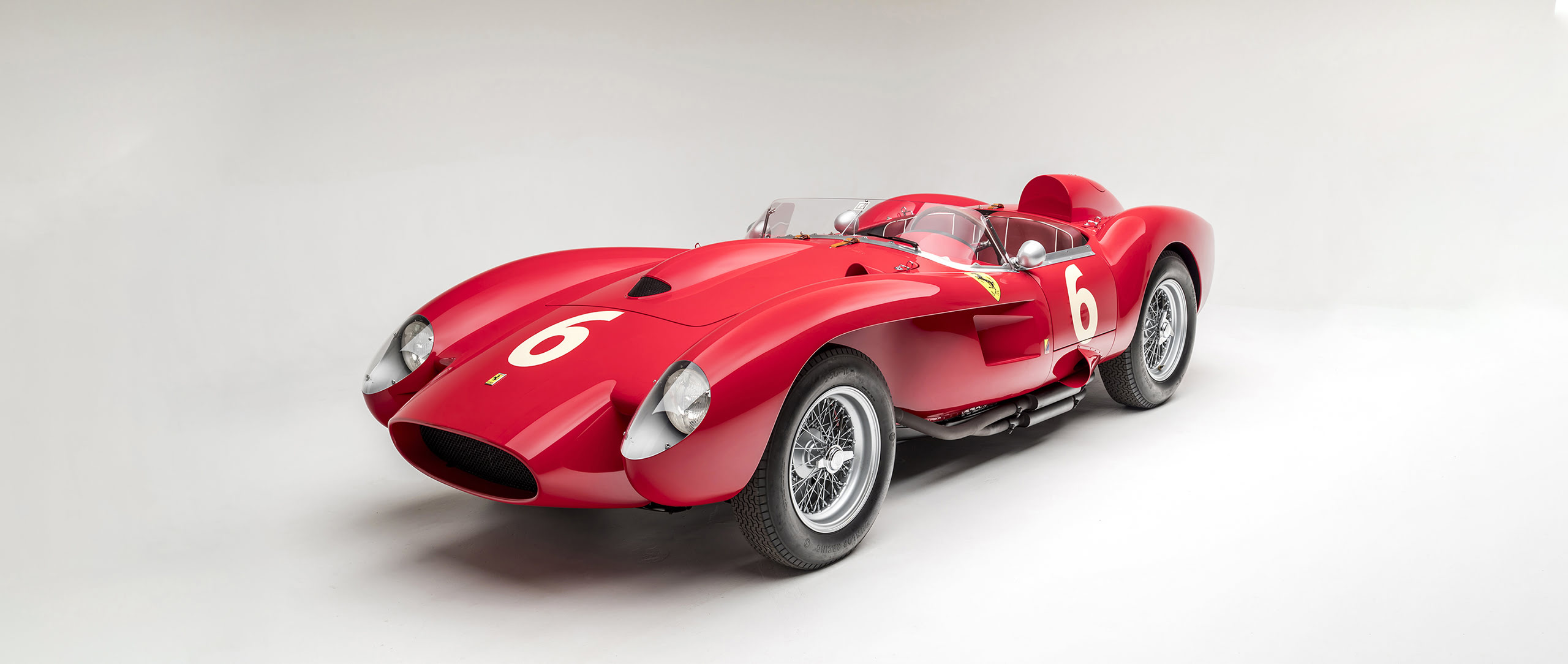
In the history of car design, the Testarossa wrote a very important chapter. Indeed, the pure mastery of the idea of designing the shape of the Ferrari V12 that would go on to replace the famous BB in 1984, within a virtual cage of horizontal lines connecting the nose, sides and rear of the car, came from the need to protect the large side openings for the cooling of the rear-mounted engine. A careful inspection of the photos we’ve published, going beyond the shape of the car, reveals just how strongly this idea came through, helping to make the Testarossa the icon of an era. To reinforce the effect of the design, its name: Testarossa (red head), a single word, unlike during the 50s when they gave the name Testa Rossa to those open sports barchette with their bright red-painted cam covers. An evocative name linked to the illustrious history of sporting successes and the colour that has always been associated with Ferraris.
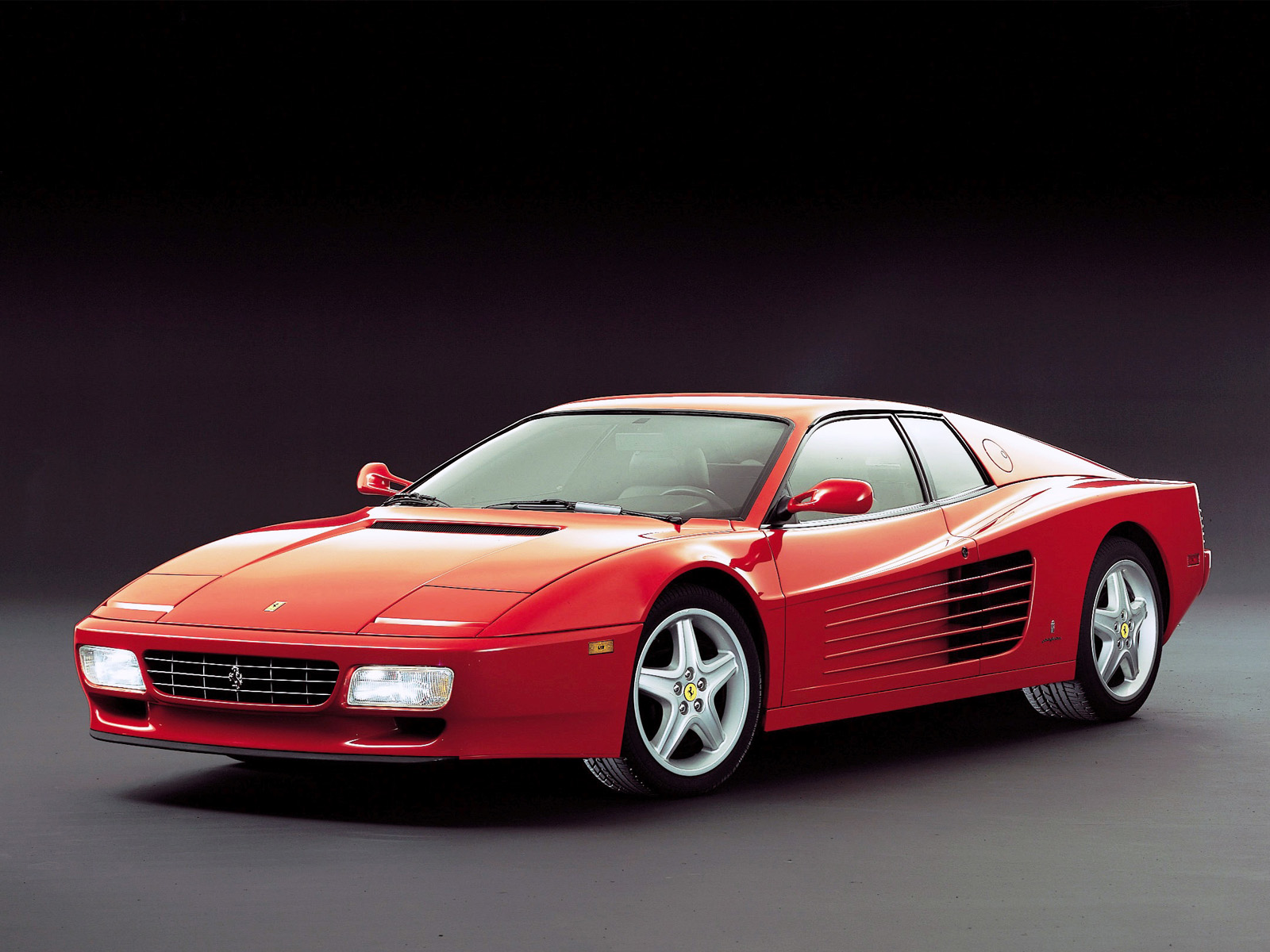 In this view we can see the depth of the side openings necessary to cool the engine and, as a result, we understand the function of the large side fins which, in addition to helping air reach the radiators, comply with the safety rules required for approval.
Its engine was a worthy one too: a naturally aspirated 4.9 litre longitudinally-mounted, 180° Ferrari flat-12 unit capable of producing 390 hp. The performance was stellar of course, making the dash from 0 to 100 km/h (62 mph) in 5.8 seconds and a top speed of 290 km/h. An astoundingly successful model that remained in production in various evolutionary versions for 12 years; after the original monospecchio version (a single high mounted side view mirror mounted on the driver’s side strut to ensure visibility to those behind the wheel) and the evolutions of the original model that followed, Ferrari produced 7,177 units.