Cars
The Hybrid Era: From KERS to the New Electrified Formula 1
From KERS to hybrid power, Formula 1 transformed energy recovery into a key performance and efficiency advantage.

2009 marked the beginning of a new technical transition in Formula 1, with the aim of capitalizing on the opportunities presented by the ability to provide additional electric power to the traditional internal combustion engine. The principle was as simple as it was innovative: to recover the kinetic energy generated by the car during braking—which until then had been lost as heat—and convert it into electrical energy. The first experiment mandated by the regulations was the so-called KERS (Kinetic Energy Recovery System), which stored power in a battery to be made available to the driver, lap after lap.
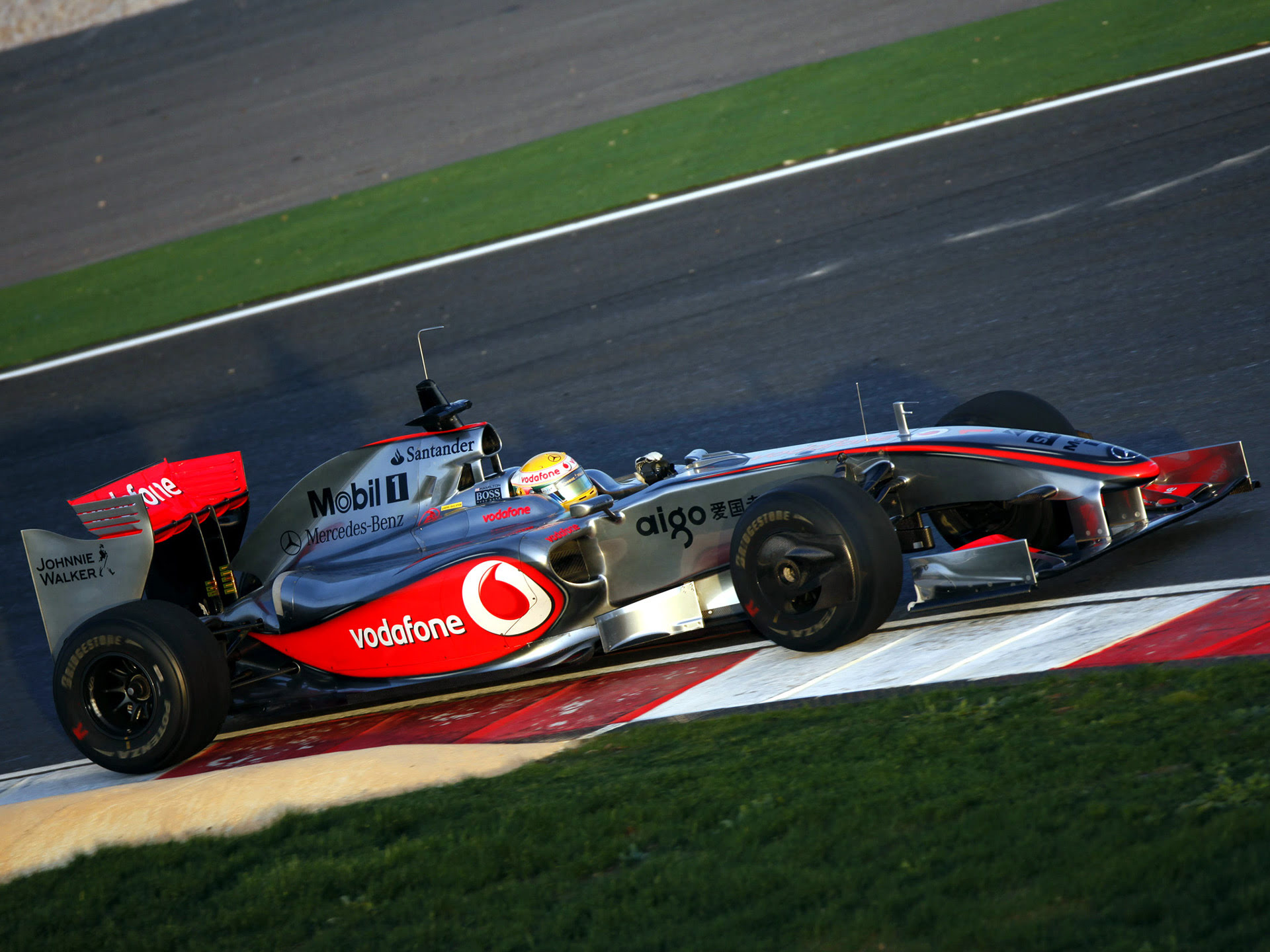
Not all teams adopted the system immediately, partly due to concerns about weight, cost, and reliability. KERS was not mandatory, and in fact, the 2009 season saw the World Championship won by Brawn GP—born from the ashes of Honda F1—which did not use it. After the first season, however, KERS quickly became standard. All manufacturers adopted it, and between 2010 and 2013, the team that made the best use of it was Red Bull Racing, which, with Sebastian Vettel and the Renault engine, won four consecutive World Championships.