Collectors & Aficionados
Single-Seaters and Collecting: Two Worlds Growing Ever Further Apart
Palmares, technology, and the widening gulf – why the collector market for Formula 1 cars stops where the digital age begins.
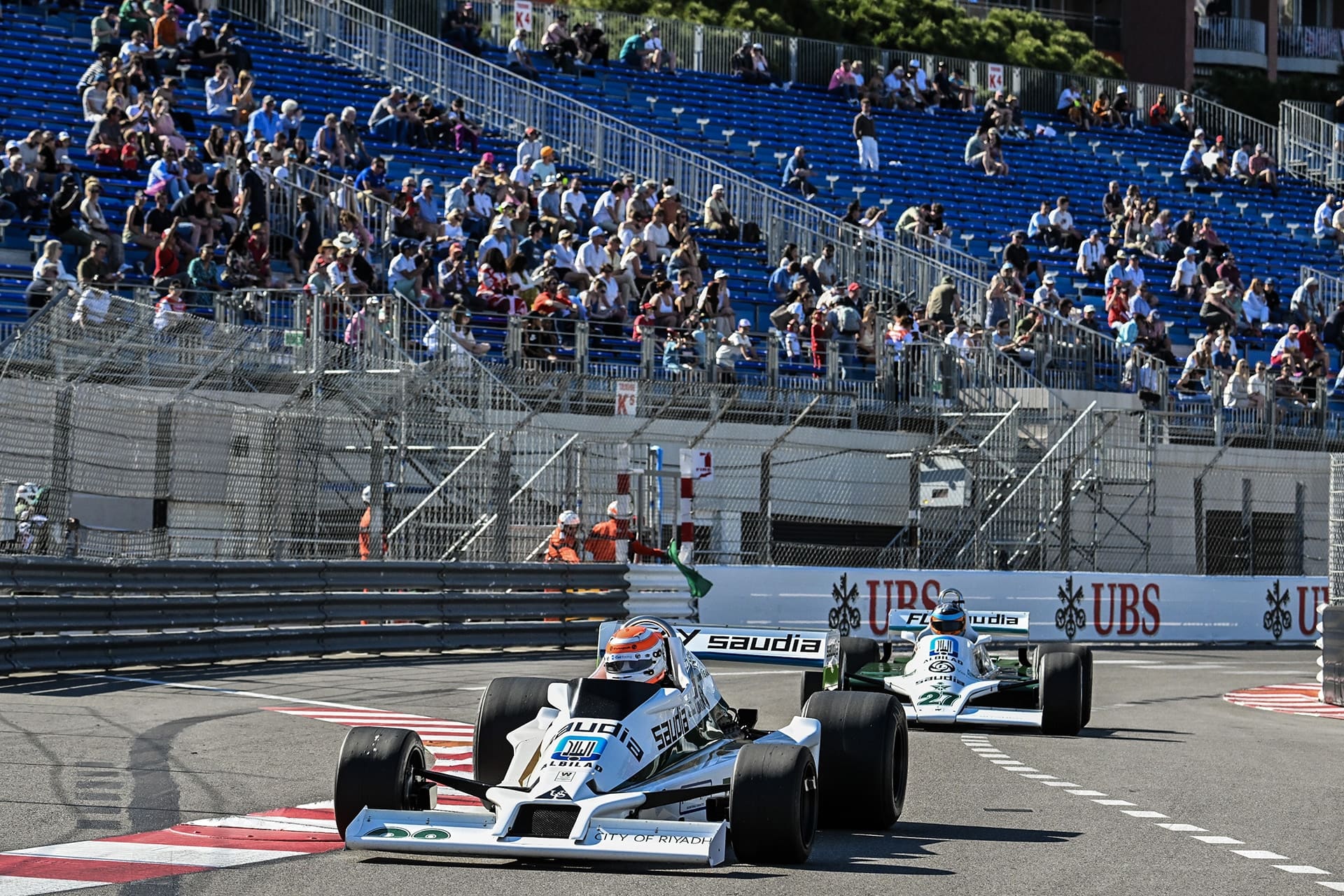
Racing cars – single-seaters above all, and Formula 1 machines in particular – escape the ordinary logic of auctions and operate by their own law. That law is called the palmares: it is bound to the victories that come with it, and, inevitably, to the champions who drove them.
Yet the history of collecting Formula 1 cars carries other variables, shaped by different eras and by a form of classification we might describe as "human versus technological." Enzo Ferrari and Juan Manuel Fangio were the forerunners of the "human" era: for the Italian constructor, drivers had to adapt to the characteristics of the car as defined by the Scuderia. Even camber and toe settings were not to be touched, however insistently a driver might ask. An absurdity rooted in the conviction that whatever left Maranello had to be perfect. And often it was. But not always. A driver like Fangio – World Champion in every car and with every marque, Alfa Romeo, Maserati, Mercedes-Benz, and Ferrari – could, with the calm that allowed him to run an entire Grand Prix with a toothpick between his lips without biting down on it, and with a patience always aimed at the result, bend the car to his style of driving.
Men continued to be the protagonists in Formula 1 for much of the last century: engineers such as Rudolf Uhlenhaut, Mauro Forghieri, John Barnard, and Gordon Murray invented solutions or corrected mistakes by the force of individual talent and the courage to impose their own vision. They were the symbols of Formula 1 in the era of men.