Cars
Renault and one-make trophies: open doors for future champions.
From comical beginnings in 1966 with identical Renault 8 Gordinis, one-make races revolutionized motorsports. Renault's masterstroke paved the way for F1 stars, inspiring global series. Today, Formula 1, 2, 3 echo this legacy.

It was somewhat comical at first, those clumsy, identical saloon cars, blue with twin white stripes, competing from 1966 on French circuits. However, Renault's idea of creating a championship with identical cars to highlight the best talent soon proved to be a masterstroke. The small Renault 8 Gordinis offered thrilling spectacles, drawing crowds to racetracks and showcasing promising young drivers in leading positions. Pioneering this cost-effective racing approach – identical, race-ready cars under the wing of a manufacturer and an oil company already involved in Formula 1, like Elf – Renault started with vehicles tuned by Amedé Gordini. This approach was eventually adopted by other manufacturers, though not immediately. The series gained international status in 1975 with the Renault 5. Initially in Europe and later in the USA, the compact Renault 5s exemplified how, in races with equal cars, it's the driver's natural talent alone that wins.
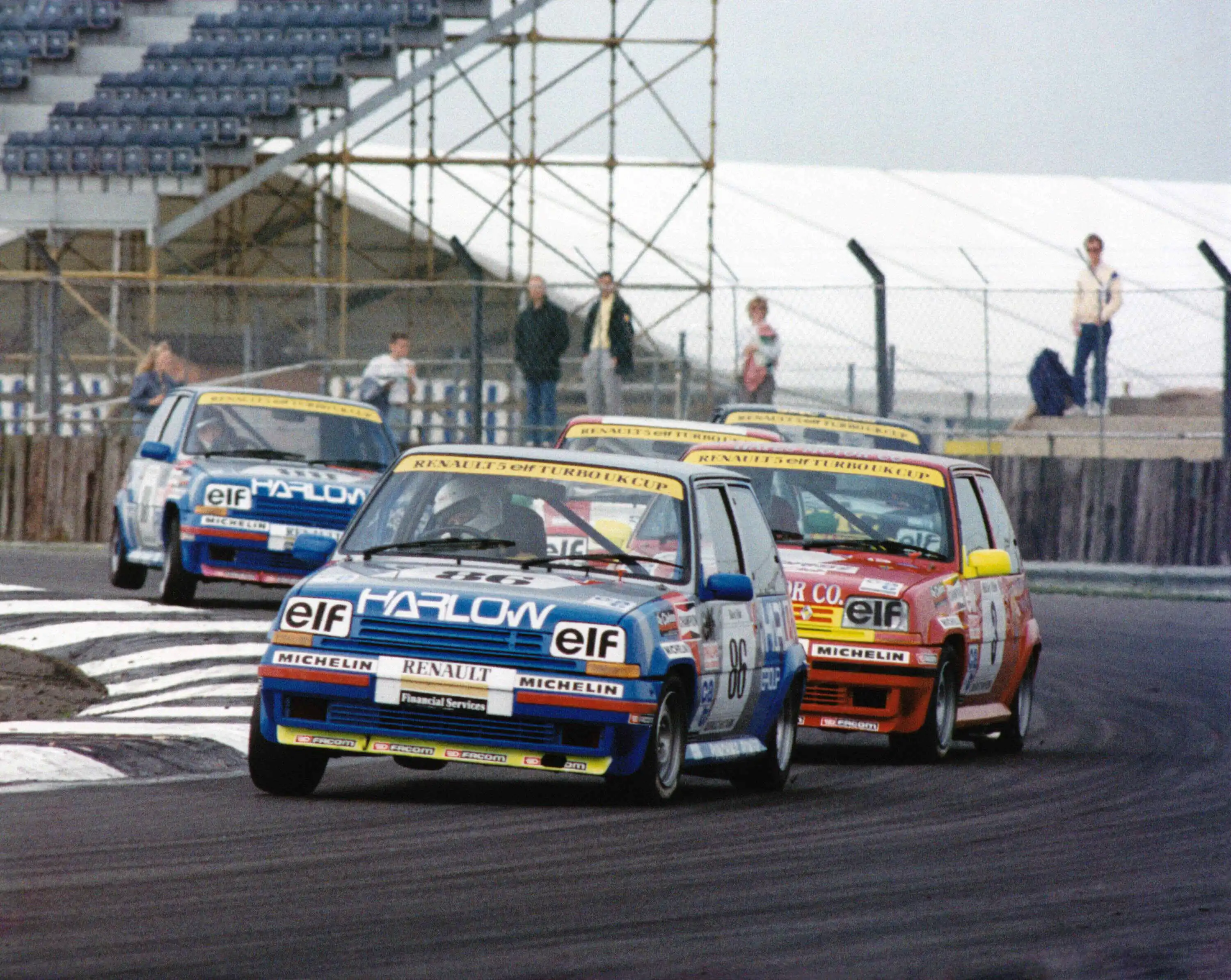
To appreciate the significance of this history, consider today's Formula 1 drivers, who, like Jean Pierre Jabouille, Mauro Baldi, and Jean Pierre Jarier before them, emerged from one-make races: the single-seaters that lead drivers to professionalism are all identical – same chassis, engine and tyres, a practice also seen in Renault's championships with Michelin. Today's Formula 2, 3, and 4 series are essentially modern iterations of one-make formulas, like those by Renault, Ford, VW, and numerous others.