Cars
Porsche's Technological Innovations Part 6: With Zagato and Abarth to Dominate in GT
Ferry Porsche's loss to Elio Zagato in 1954 led to the lightweight 356 Carrera GTL Abarth, securing over 100 wins and shaping Porsche’s racing future.

Ferry Porsche couldn’t have imagined that, on that autumn day in 1954 at the AVUS circuit, during the final of the European Grand Touring Championship, a lineup of no fewer than 14 Porsche 356 Carreras would be humiliated by a lone Italian driver behind the wheel of a Fiat 8V. He came to terms with it – even though some of those 14 were official cars entered by Porsche itself – realizing that the discreet and elegant driver was also the creator of that Italian car: it was Elio Zagato, who had raced with a Fiat 8V bodied by his own company, Zagato. From that defeat began a brief but intense relationship between the two men. Ferry was well aware that the handicap of his Carrera models was their weight. The decision to produce them with steel bodywork instead of aluminum had been made to avoid costs that would have pushed up the market price. As we saw in last week’s Chapter 5 of Porsche's Technological Innovations, Ferry was already winning everywhere with the magnificent 550 RS Spyder, ultra-light and aluminum-bodied. It was immediately clear to him that something had to be done.
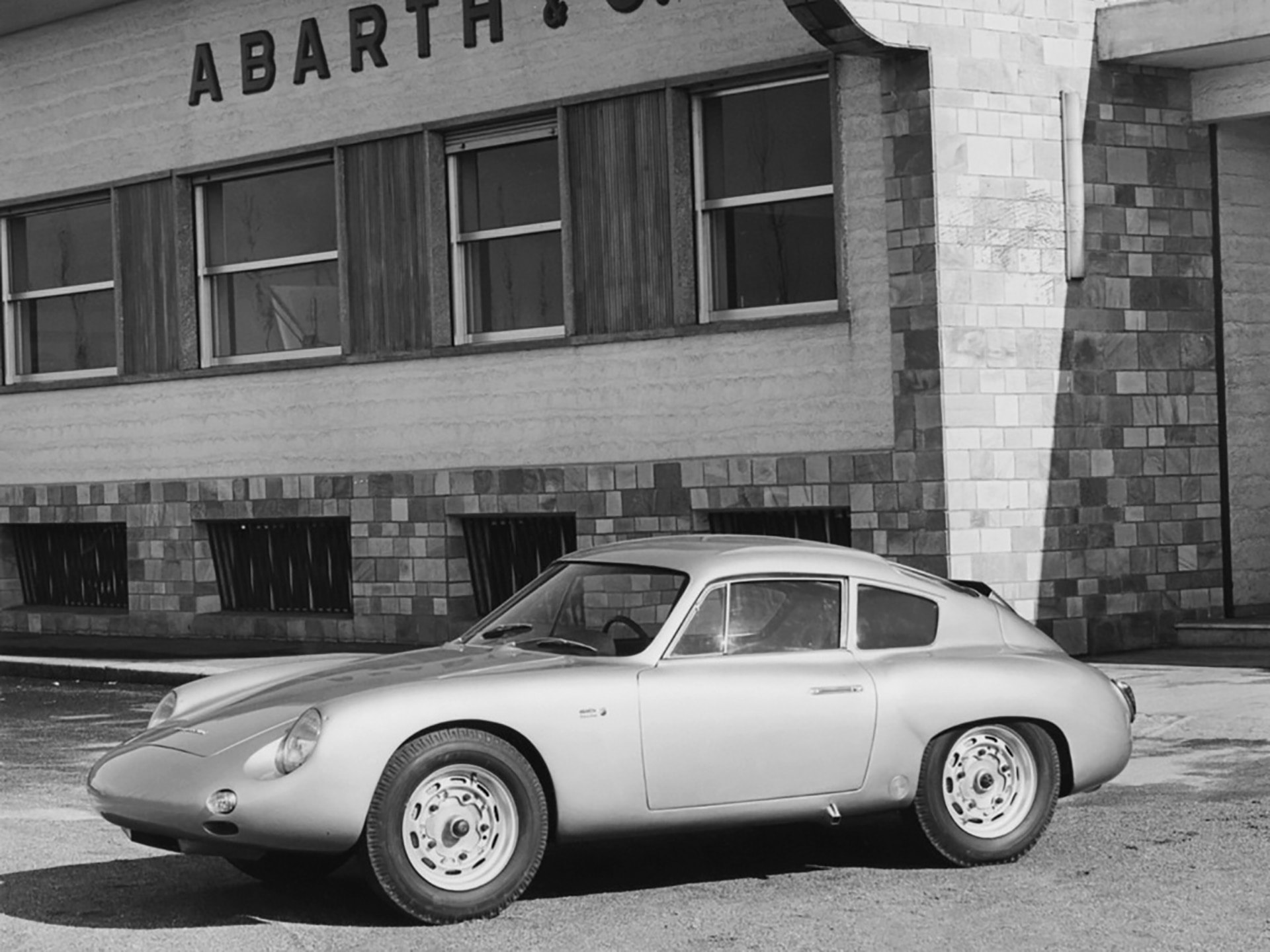
To avoid disrupting the market—had it become known that an aluminum Carrera was being developed, sales could have taken a hit—he chose an indirect path to test the benefits of lightness and improved aerodynamics by turning to the famous Italian coachbuilder. Zagato-bodied cars — whether the small Abarth Zagato 750 and 1000 models, or Lancia, Alfa, and even Ferrari vehicles — were winning everywhere. So, an aluminum prototype was initiated, with better weight distribution and lower height to improve drag coefficient (CX), commissioned not directly by Porsche but by a French customer-driver racing with a Carrera. The result was clear: the Carrera thus transformed, in Speedster version, won everywhere during the 1958 season.