Cars
Porsche's Technological Innovations Part 5: The Giant Killer
Porsche’s 550 Spyder, the ‘Giant Killer’, dominated racing, inspired legends like the Carrera name, and became infamous as James Dean’s ‘Little Bastard.’
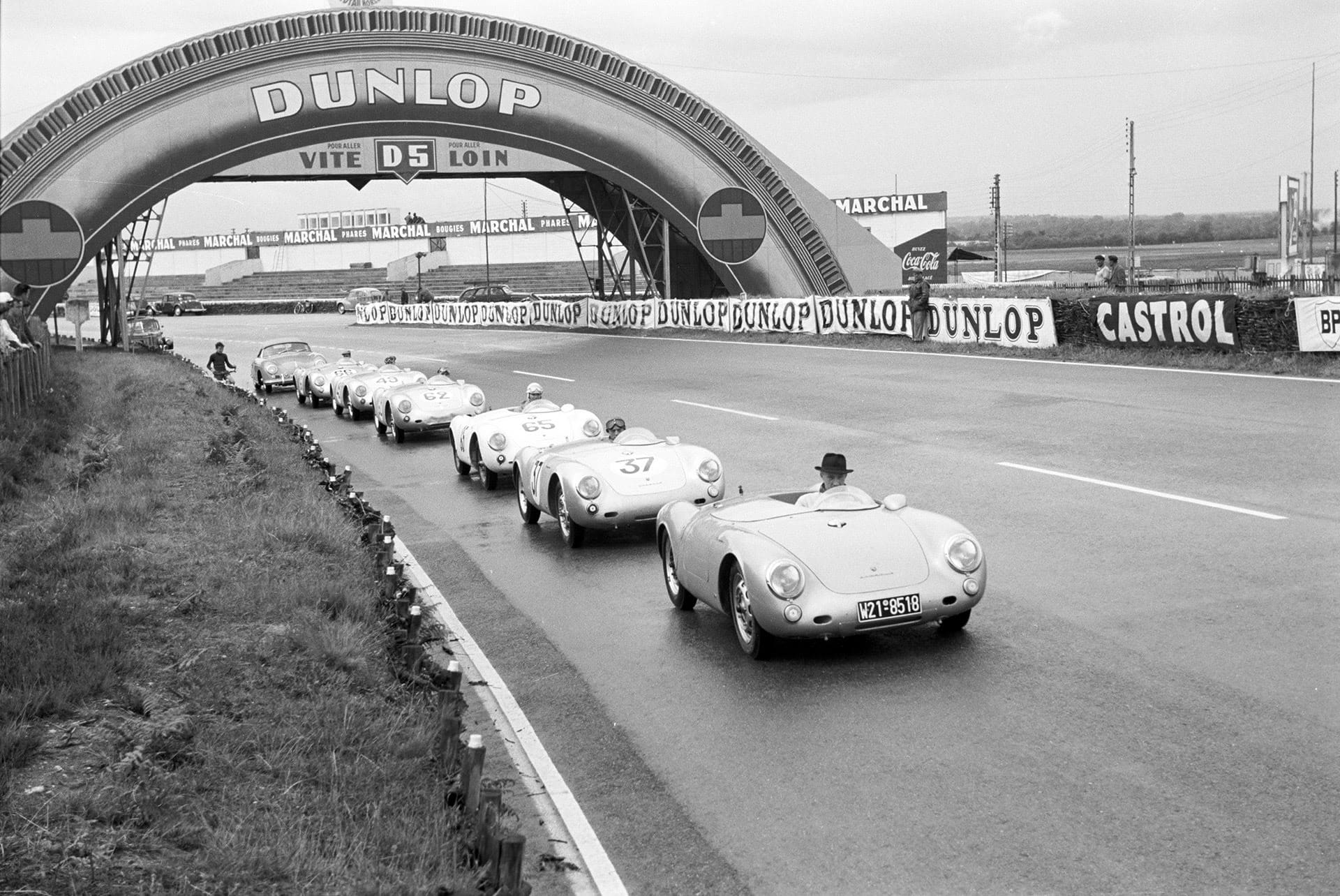
As recounted in chapter 3 of Porsche’s Technological Innovations on Roarington.com, Ferry Porsche’s first creation, named "Number One" and built as a unique exemplar, featured a mid-engine layout. The idea was soon abandoned for reasons of cost and cabin space, leading to the adoption of the rear overhang engine layout for the new Stuttgart manufacturer. It was 1948, and although this decision proved successful for road cars, it soon became clear that this solution was disadvantageous in professional racing. For a sports brand during years when racing fueled passion and desire, Porsche risked falling short in the dreams of potential customers if it didn’t prove competitive. The decision to launch the 550 project—named due to decades of Porsche projects, especially those by Ferry’s famous father, Ferdinand — revealed Porsche’s technical potential and imagination to the world.
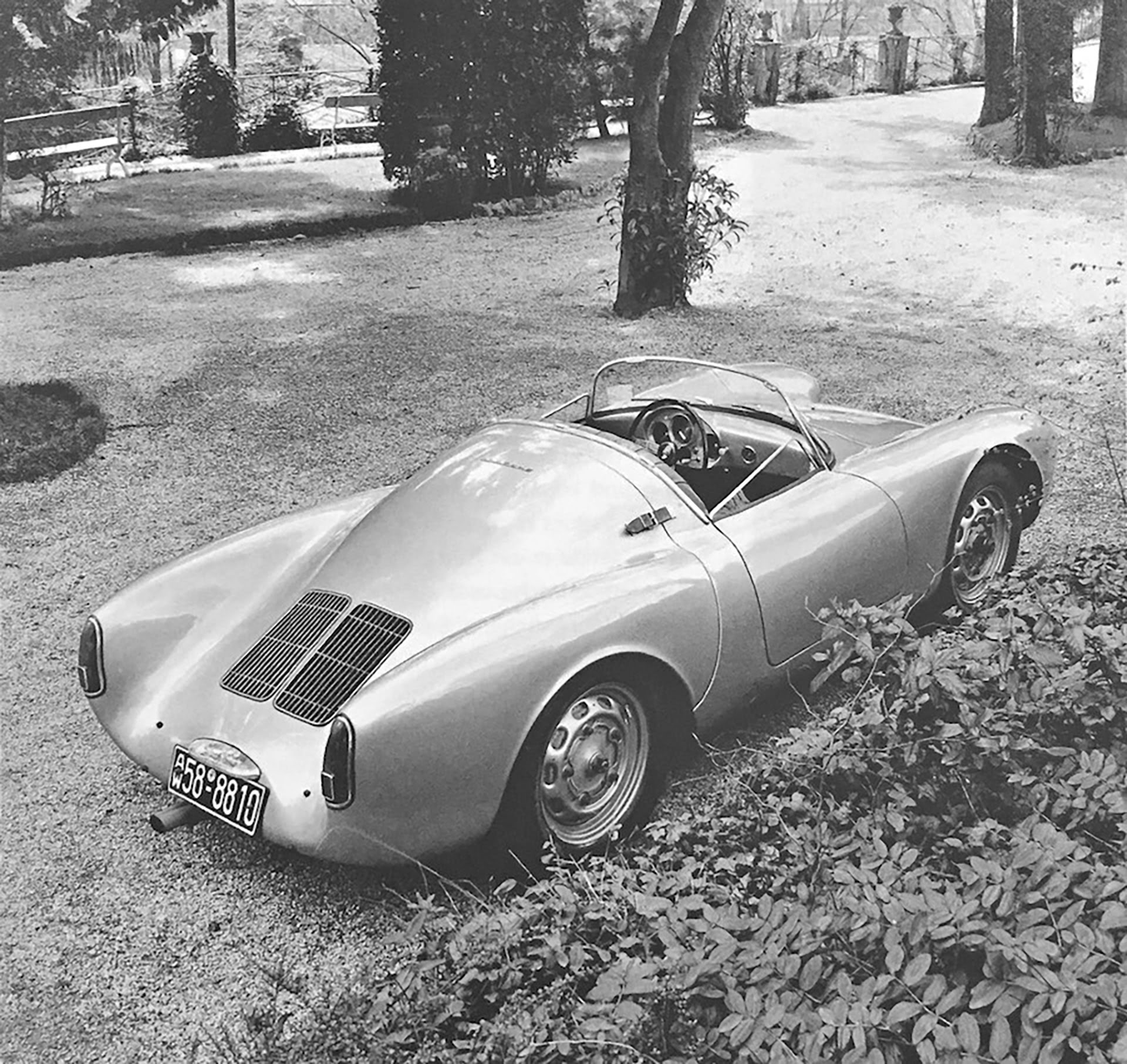
Leveraging experience from the Auto Union Grand Prix cars of the 1930s, the 550 approach focused on creating a compact, low, and lightweight car — 550 kg, coincidentally or perhaps intentionally — with a powerful 1500cc boxer four-cylinder engine designed by genius Ernst Fuhrmann. With four overhead camshafts and dual carburetors, it produced 100 horsepower per liter, a spectacular figure for that era. Unsurprisingly, the 550 immediately triumphed in its debut at the Nürburgring and later at Le Mans in the 1500cc class. Brilliantly, two renowned journalist-drivers, Richard von Frankenberg and Paul Frère, were tasked with racing the car, ensuring both victories and global publicity through their articles. Buoyed by European successes, the car was also victorious at the Carrera Panamericana, Sebring, and Buenos Aires.