Cars
Porsche’s Technological Innovations Part 2: Type 64, the Volkswagen That Gave Birth to Porsche in 1939
The 1939 Type 64, designed by Ferdinand Porsche, was based on the Volkswagen Beetle but featured advanced aerodynamics and lightweight construction. Though it never raced, it became the foundation for Porsche’s legacy.

Looking at the 1939 Type 64 today, the connection to Porsche is immediate: simple, clean, with extreme aerodynamics, one wouldn’t imagine it could be a Volkswagen in “sports attire”. The people's car, personally commissioned by Adolf Hitler, had already been adapted for military use, even as an amphibious vehicle, but no one could have foreseen that this robust vehicle, built for maximum simplicity, could also take on the form of an advanced sports car.
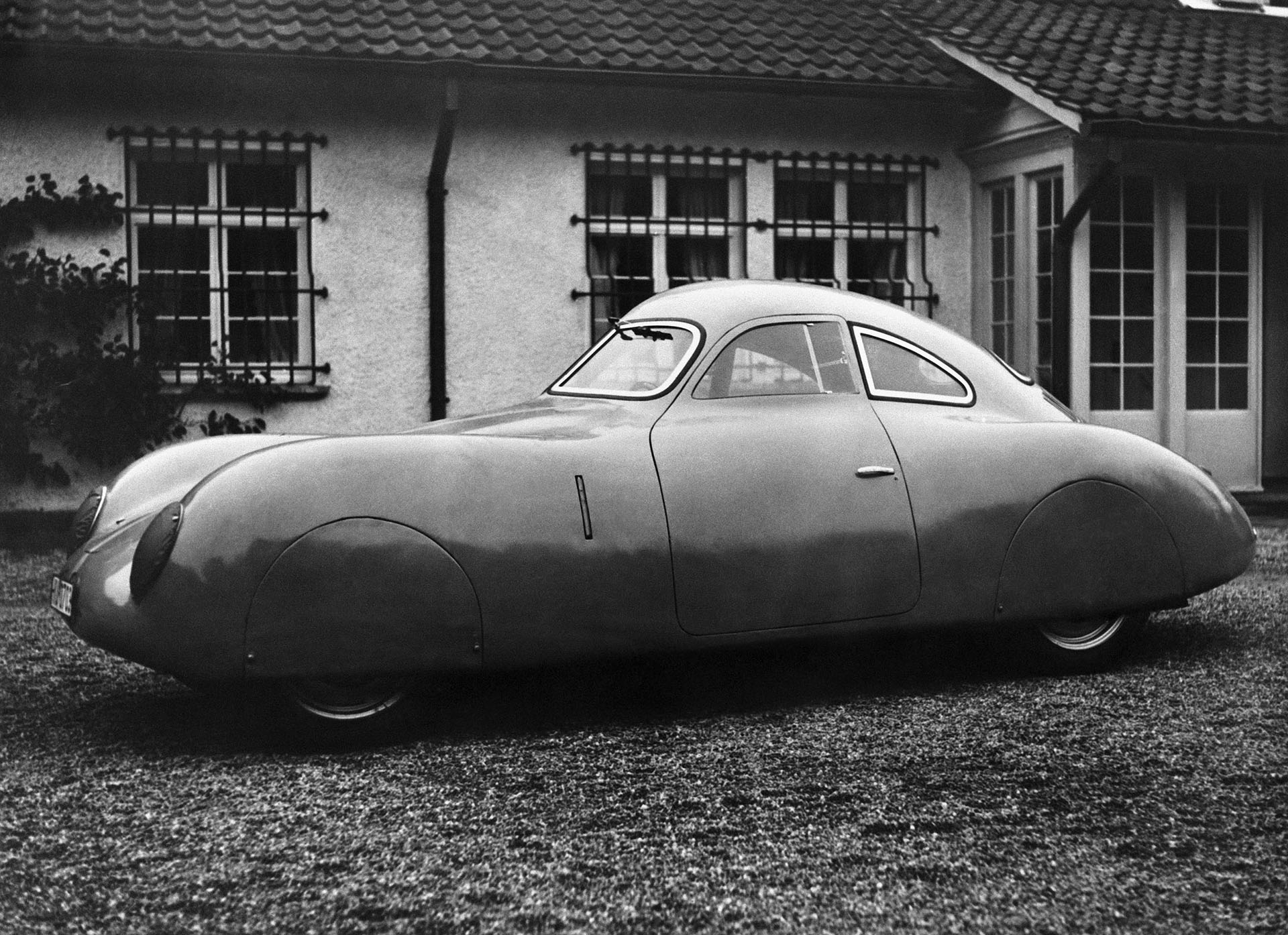
We mention it at the beginning of our story to show how technology, in the broadest sense, helped create the Porsche legend. We mention it because the Volkswagen project was born from the engineering and design studio of Ferdinand Porsche, a studio already renowned — just think of the winning Auto Union Grand Prix project, with its rear-mounted 16-cylinder engine. This was a studio where, in those years, Ferdinand’s young son Ferry was already working, alongside the Austrian design genius Erwin Komenda. The Type 64 was conceived and developed for a specific purpose: to participate in the Berlin–Rome Raid as a symbol of friendship between the two nations. Its foundation was nothing more than a Volkswagen chassis with a modestly powered engine: just 33 hp from the 1131cc motor, reaching a speed of 110 km/h. How could a car achieve the necessary speed for such a raid if not through aerodynamics and lightness?