Cars
One-off cars commissioned by VIP people When coachbuilders were like tailors
Explore the evolution of bespoke cars in three chapters—from the 1924 Hispano-Suiza "Tulipwood" to Count Trossi's 1934 Mercedes-Benz SSK and Aga Khan IV's 1950 Alfa Romeo. Journey through a golden age of creative freedom and industrial prowess.
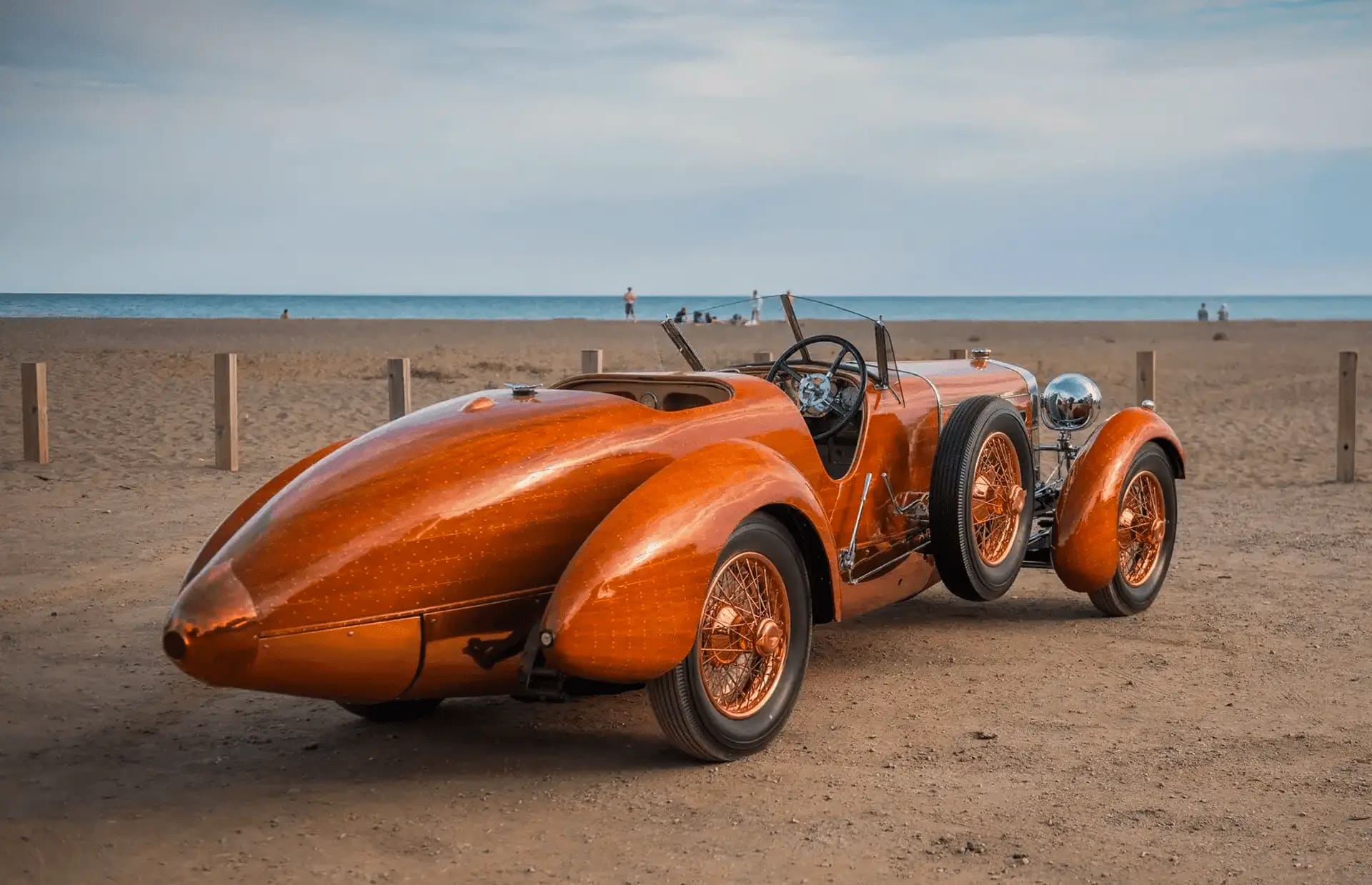
The history of custom-made cars, commissioned by invariably affluent clients, can be divided into three major chapters. Initially, coachbuilders enjoyed absolute creative freedom, free from any design constraints. This golden age spanned the pre- and immediate post-war years. The second chapter saw the dawn of industrial production, marked by the rise of monocoque construction, yet still relatively unshackled by regulatory and safety norms. The third chapter, which arrives right up to the present day, is defined by rigorous homologation rules for any cars that are transformed. These regulations are so stringent, they significantly limit and complicate any alterations to a car's bodywork.
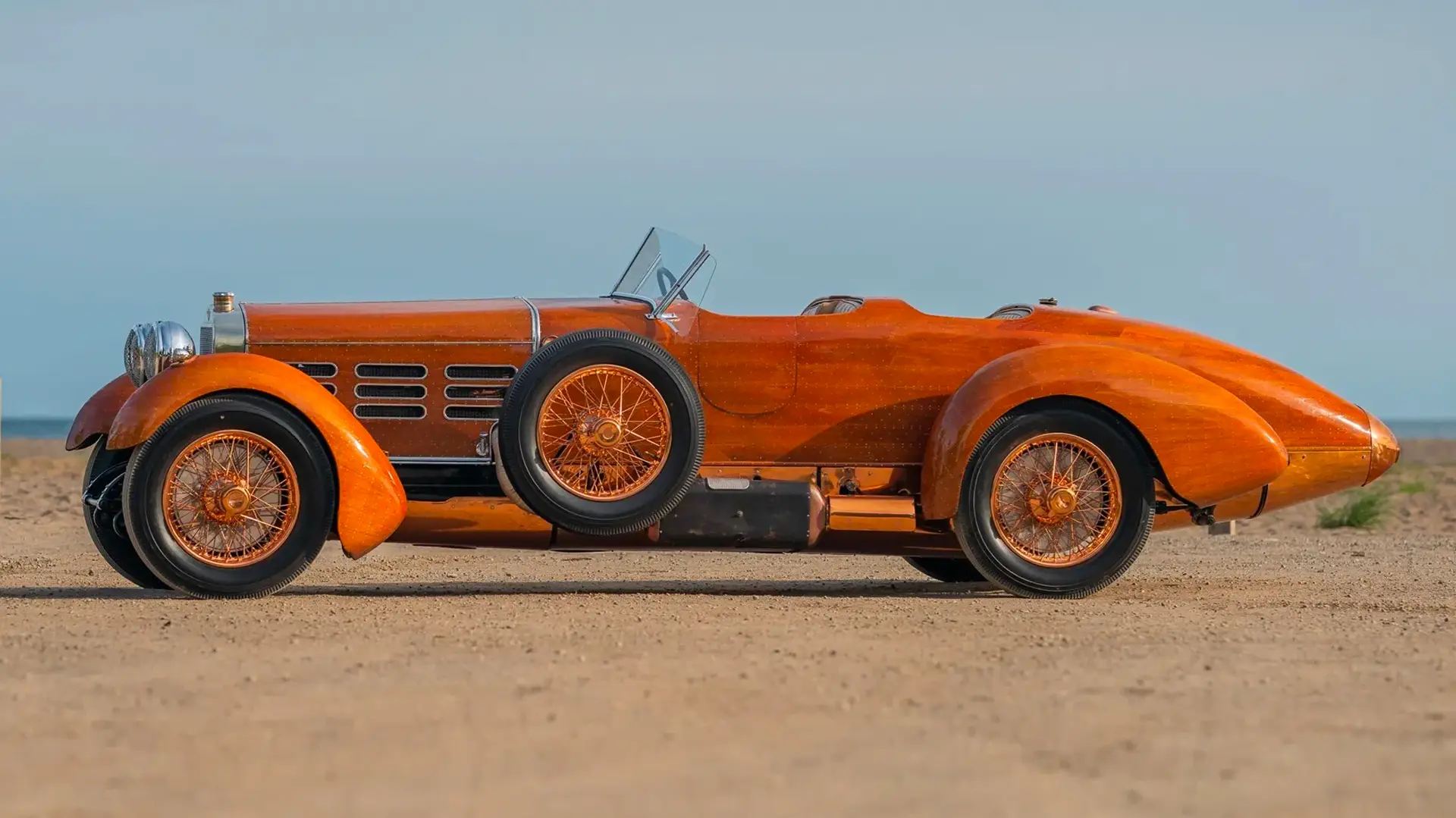
Our story, therefore, unfolds in three stages: today's chapter, the first, celebrates the era when coachbuilders could unleash their creativity on a rolling chassis, “building” it from scratch. The first example is the 1924 Hispano-Suiza H6C “Tulipwood,” commissioned by André Dubonnet, a wealthy race car and airplane pilot from the family behind the famous aperitif bearing his name. The visionary André tasked coachbuilder Saoutchik with creating an aerodynamically superior car for the time, using fabric-bodied coachwork with light wooden frames. His aim was to achieve unparalleled lightness. A pioneering enterprise indeed!