Cars
Japan's microcars
This article discusses the history of Kei Cars, inexpensive micro cars with small engines that were introduced in Japan after World War II to stimulate the country's economy.

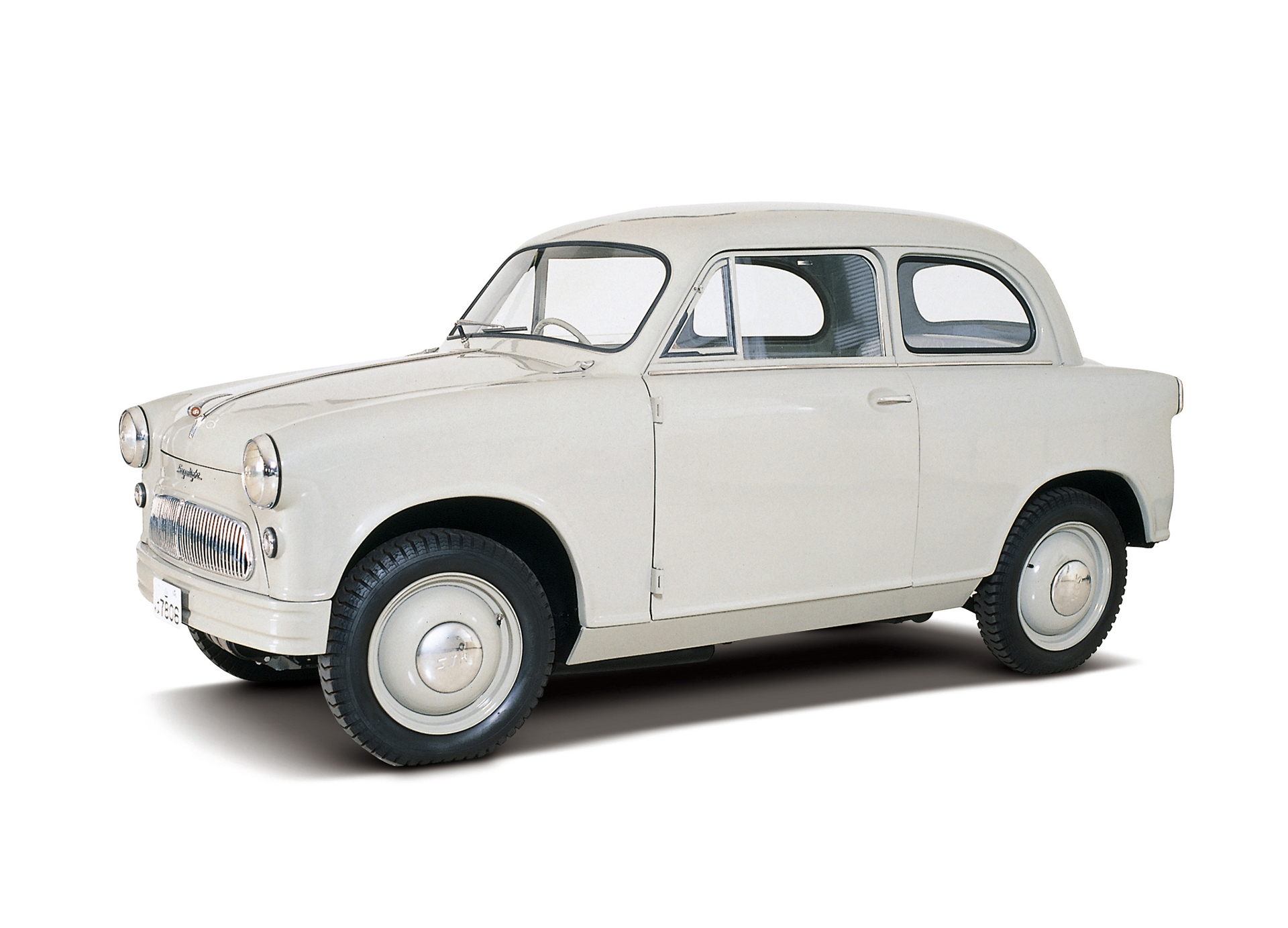
After Hiroshima and Nagasaki and a long and painful war, a defeated Japan, which was subjected to severe industrial restrictions, desperately needed mobility in order to restart its economy. One law in particular stimulated the creation of inexpensive micro cars, called “Kei Car” or “K-car”, after “kei jidōsha” which means “light automobile” in Japanese, with two-stroke engines limited to 100cc and four-stroke variants to 150cc. The market only took off in 1955, however, when regulations allowed engine sizes to increase to 360cc. The first example was the Suzulight, produced by Suzuki. At less than 3 metres in length and just over one meter wide, it soon became the symbol of Japan's economic recovery. In 1958, a van version was introduced. The engine was a two-stroke 359cc twin-cylinder unit, originally producing 16hp which was later increased to 21hp.
Less fortunate was the Fuji Cabin from 1957, which was the result of the merger between Hitachi Aviation – which had been banned from building aeroplanes – and Fuji Automobile, a manufacturer of motorcycles and small two-stroke engines. The three-wheeled design, the poor quality of the fibreglass bodywork and the high price meant that only 85 examples were produced, each with a 122cc single-cylinder engine producing 5.5hp.